A Sunday in Madrid runs on a different clock to the rest of the week: most small shops shut, national museums often close earlier than usual, one of Europe’s largest flea markets takes over a stretch of Lavapiés and La Latina in the morning, and the parks fill instead. Planning around it means accepting that Sunday is not a smaller version of a Saturday — it has its own rhythm.
What’s actually open on a Sunday in Madrid?
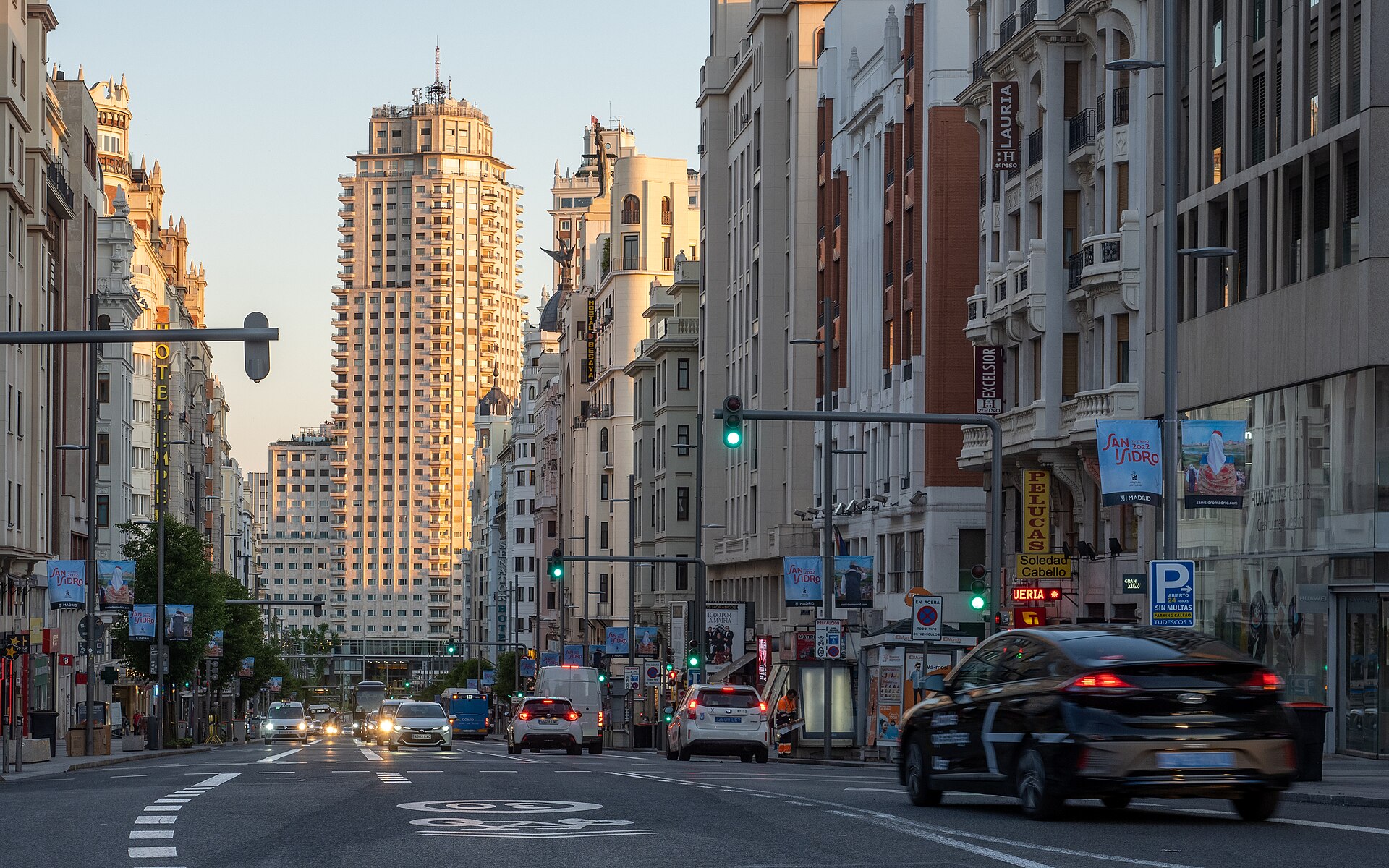
Independent shops, most small businesses, and many neighbourhood restaurants close on Sundays, following a pattern common across Spain. The exception is the designated “zona de gran afluencia turística” — the area of high tourist footfall that Madrid’s regional government has authorised for Sunday and holiday trading, which covers the central shopping streets around Gran Vía and Puerta del Sol. Outside that zone, expect closed shutters. The general logic of the city’s opening hours is covered in more detail on the site’s guide to typical opening hours in Madrid, and the question of whether an afternoon lull applies at all is answered separately in the piece on whether the siesta actually applies in Madrid.
Is Sunday a good day to plan around museums?
It can be, but check the hours for each institution rather than assuming a weekday schedule. A number of Madrid’s national museums run free entry windows, and some of these fall on Sunday, though the days and hours differ by museum and change periodically — the operator’s own site is the only reliable source for the current schedule. Several institutions also close earlier on Sundays than on weekdays. The site’s guide to national museums’ free entry windows lays out how these windows generally work, and the companion piece on why Madrid museums close on Mondays explains the other end of the weekly closure pattern that a Sunday-to-Monday visit needs to account for.
What is El Rastro, and how does it shape the morning?
El Rastro is Madrid’s flea market, held every Sunday and public holiday morning along Ribera de Curtidores and the surrounding streets between Lavapiés and La Latina. It is one of the oldest and largest markets of its kind in Europe, documented back to at least the 19th century, and it draws heavy foot traffic through both districts from mid-morning onward. It winds down by early afternoon, at which point the surrounding bars — a long-standing feature of this part of the city on a Sunday — tend to fill instead. Background on the two districts it straddles is covered in the guides to Lavapiés and La Latina.
Does transport run the same as on a weekday?
No — services run, but less frequently. The Metro and the EMT bus network both operate on Sundays, but typically on a reduced-frequency Sunday and holiday timetable rather than a weekday one, so journeys that involve a connection can take noticeably longer. First and last services also shift slightly. The overnight Búho bus network, which covers the hours when the Metro is closed, runs every night of the week including Sunday into Monday, which matters for anyone planning a late return. For the underlying fare structure that applies regardless of the day, see the guide to the Madrid Metro fare system, and for how a rechargeable travel card compares to a pay-as-you-go option, the piece on the Multi card versus the Abono is the relevant reference. The EMT bus network guide covers how surface routes are structured across the week.

Does Sunday change meal times?
It shifts them later and stretches lunch, more than any other day. Sunday lunch (comida) is traditionally the week’s longest and most social meal in Madrid, often starting later than a weekday lunch and running well into the afternoon, frequently preceded by a vermouth (vermut) before sitting down. Many restaurants that are closed on Sunday evenings still serve lunch, so the risk is arriving too early rather than too late. The site’s guide to Spanish meal times in Madrid sets out how the daily schedule works across the whole week, not just Sundays.
Is Sunday a good day for the parks?
Yes, and it is one of the busiest days for them, which is worth planning around rather than against. El Retiro, Madrid’s largest central park, sees heavy use on Sundays — the rowing lake operates, and the Palacio de Cristal, a 19th-century glass-and-iron pavilion inside the park now used as an exhibition space, is a common draw. The park and the district it sits in are covered in the guide to the Retiro district beyond the park. For a sense of how much ground can realistically be covered on foot between a park visit and the centre, see how walkable central Madrid actually is.
What about football and bullfighting?
Both have a strong historical association with Sunday, though neither is fixed to it. La Liga fixtures at the Santiago Bernabéu are scheduled across the weekend by the league and broadcaster, and Sunday is a common but not exclusive slot — the fixture list should always be checked directly. Bullfighting at Las Ventas follows a more consistent pattern: during the bullfighting season, and especially during the San Isidro festival, corridas are traditionally held on Sunday afternoons and evenings. Details on the stadium and the bullring are in the guides to the Santiago Bernabéu and Las Ventas, and the festival itself is explained in the piece on what San Isidro is and roughly when it falls.
How does a Sunday interact with a public holiday?
When a public holiday falls on or near a Sunday, closures compound rather than cancel out — shops that might have opened under the Sunday tourist-zone exemption can still be closed for the holiday itself, and museum schedules sometimes shift again. Madrid’s calendar of public holidays, and how each one tends to affect opening hours, is covered in the guide to which public holidays close things in Madrid. Anyone planning a Sunday that lands in August should also read what happens to Madrid in August, since the whole city’s rhythm — not just Sunday’s — changes for that month.
How should a Sunday actually be planned?
Treat it as a day for parks, walking, El Rastro, and whichever museums confirm they are open with their current hours — not as a day to plan around specific small shops or a tight multi-stop shopping itinerary. Build in slower transport connections, check any museum or sporting fixture directly with the operator, and expect lunch to run long. For a wider view of how Madrid’s calendar and daily rhythms fit together across the year, the practical planning hub and the guide to living in Madrid both cover the patterns that shape a single Sunday from a longer angle.
Access Madrid is an independent guide written from published, checkable sources. We have not visited the places described here and we do not publish personal recommendations or invented ‘local favourites’ — where something is singled out as notable, we say who says so. Opening times, fares, closures and prices change at short notice, so treat everything here as a starting point and confirm with the museum, operator or venue directly before building a day around it. We give no advice on visas, insurance, health or safety; use your own government’s official guidance for those.