Is the Abono Transporte Worth It for a Madrid Resident?

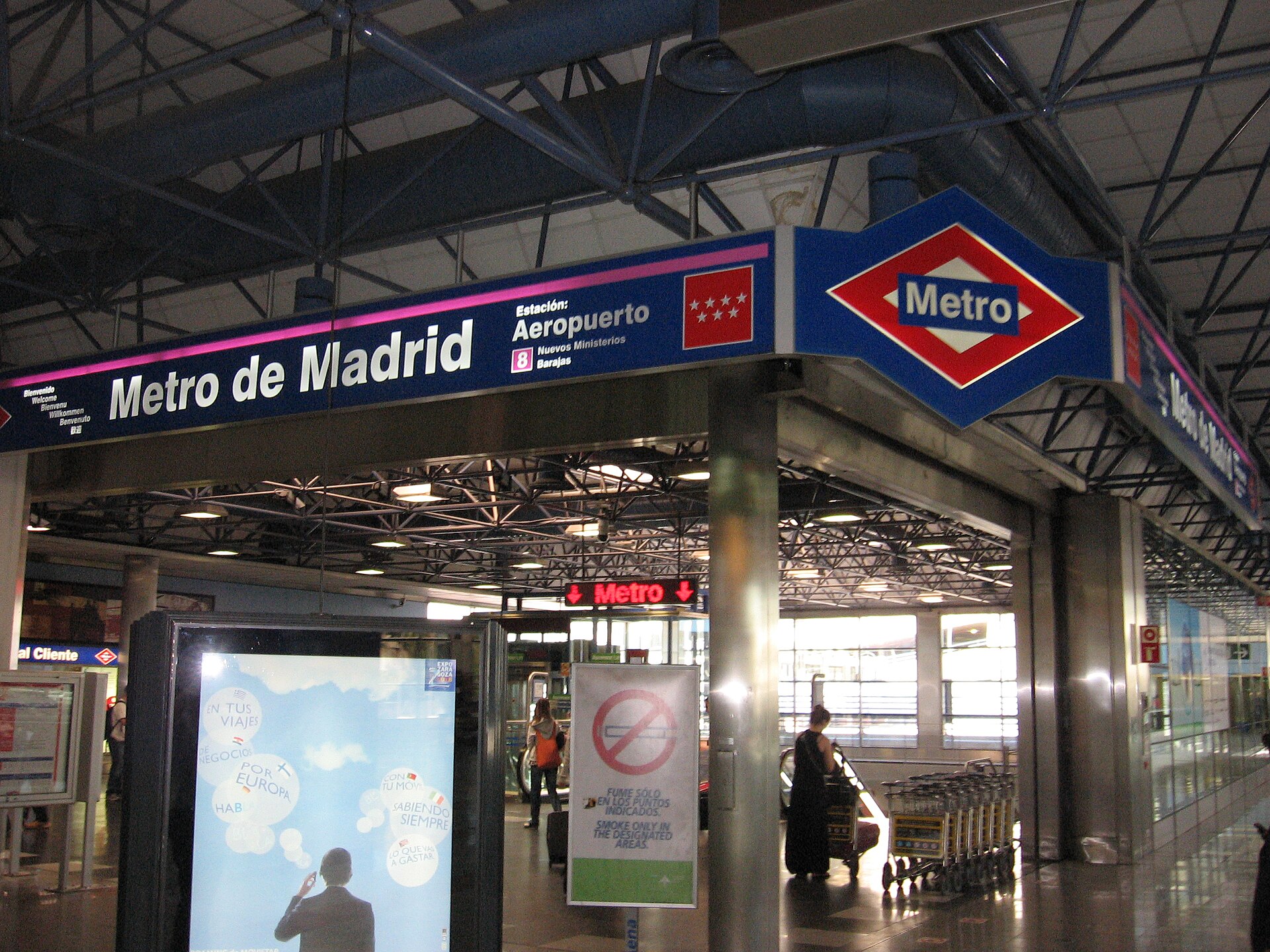
Aeropuerto Madrid (metro)

For most people living in Madrid and using public transport several times a week, yes. The Abono Transporte is a flat-rate monthly or annual travel pass covering metro, buses and Cercanías trains within a zone, so the cost stays fixed regardless of how many trips are taken — it only stops being worth it for … Read more

What Is Cycling in Madrid Actually Like?

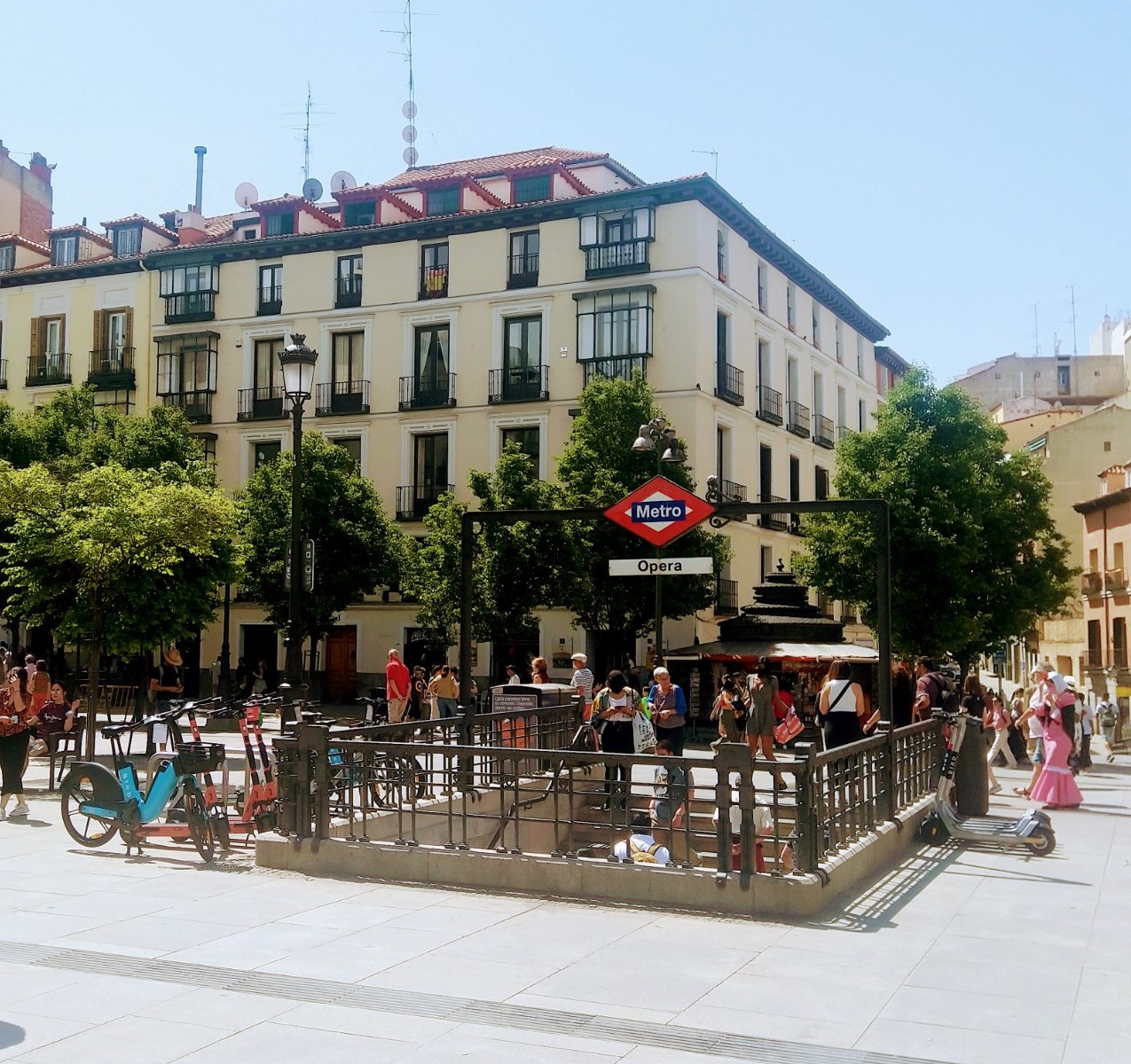
Street entrance to the Ópera metro station in Madrid

Cycling in Madrid is possible but not effortless: the city sits on a plateau with real gradients, especially between the river and the centre, and its cycling infrastructure is improving but still patchy. A public bike-share scheme, a growing network of lanes, and a large low-emission zone all shape how riding actually works here. How … Read more

How Do You Reach Madrid’s Day-Trip Towns by Public Transport?

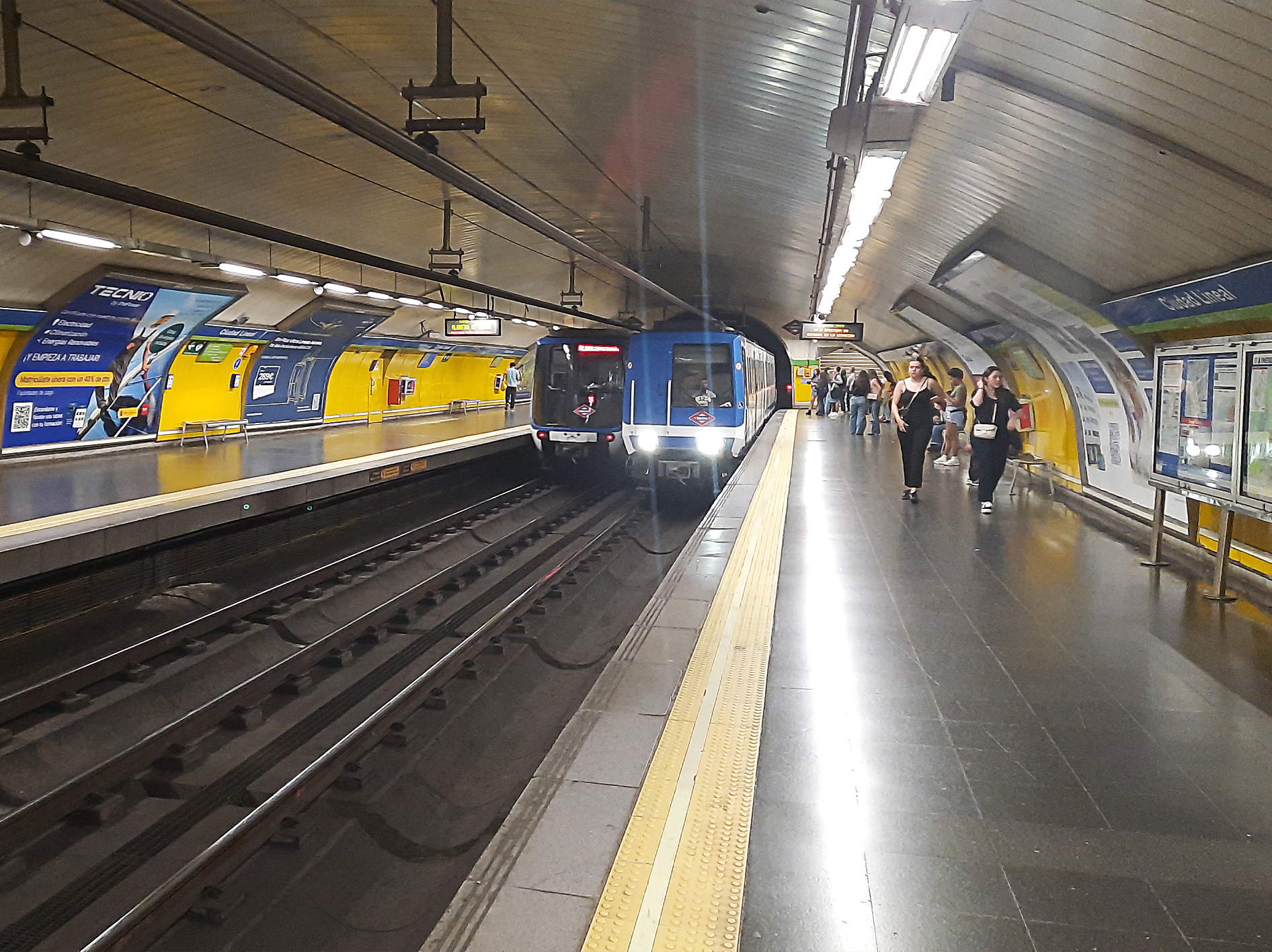
Platform of Ciudad Lineal station on Madrid Metro Line 5

Most of Madrid’s day-trip towns are reached by one of three systems: the Cercanías regional rail network, longer-distance Renfe trains (including the AVE), or intercity coach services from Madrid’s bus stations. Which system applies depends on the town — some have no rail link at all and are bus-only. What is the difference between Cercanías … Read more

What Accessibility Does the Madrid Metro Have? A Clear Guide

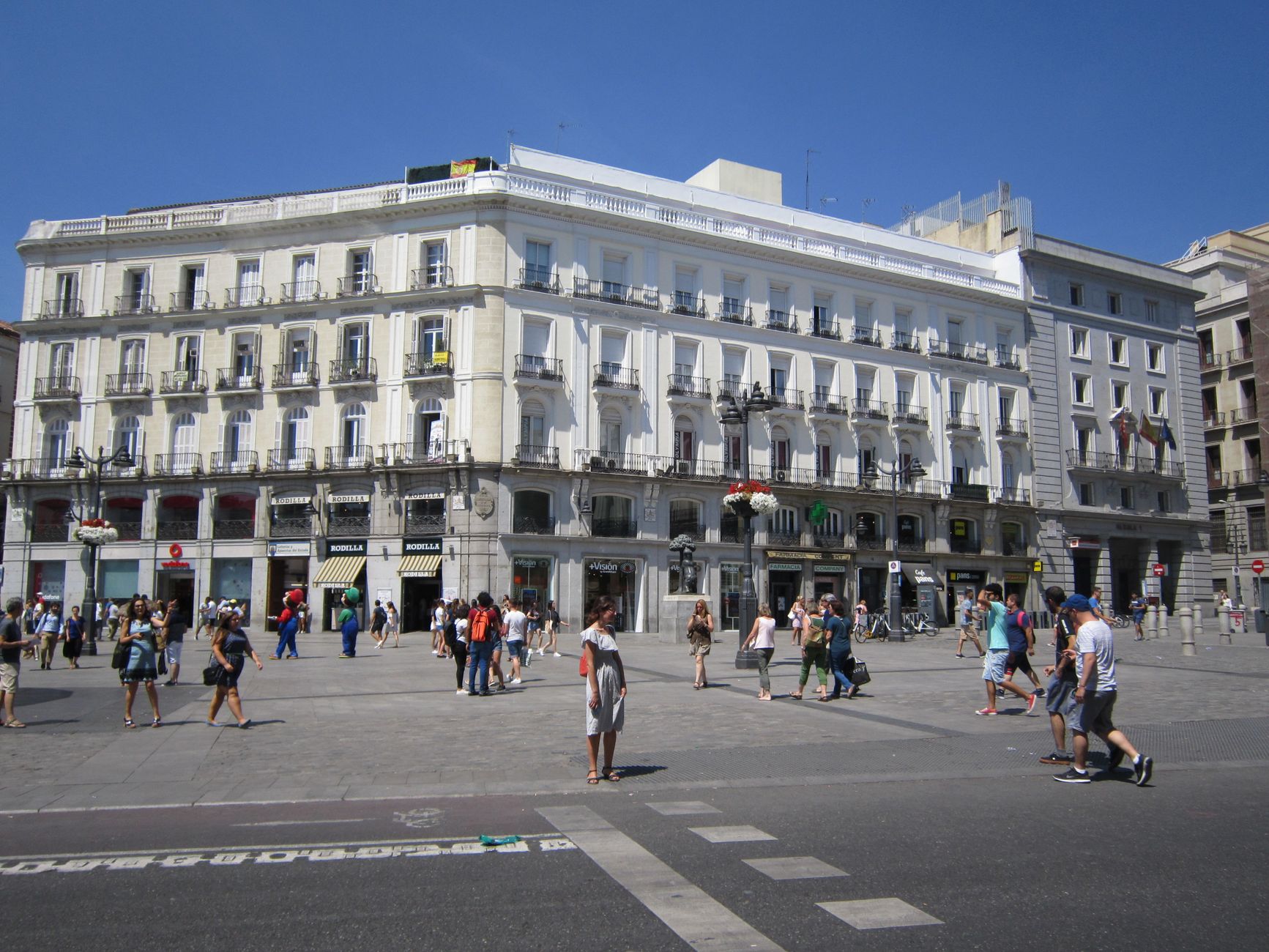
A vibrant scene at Puerta del Sol in Madrid featuring pedestrians on a bright summer day

Most of the Madrid Metro network is step-free, but not all of it. Metro de Madrid, the network’s operator, publishes a list of stations with lift access from street to platform, and a separate accessibility map showing which lines and interchanges are fully step-free. Coverage is strong on newer lines and weaker on some of … Read more

What Is the Abono Joven, and Who Qualifies for It?

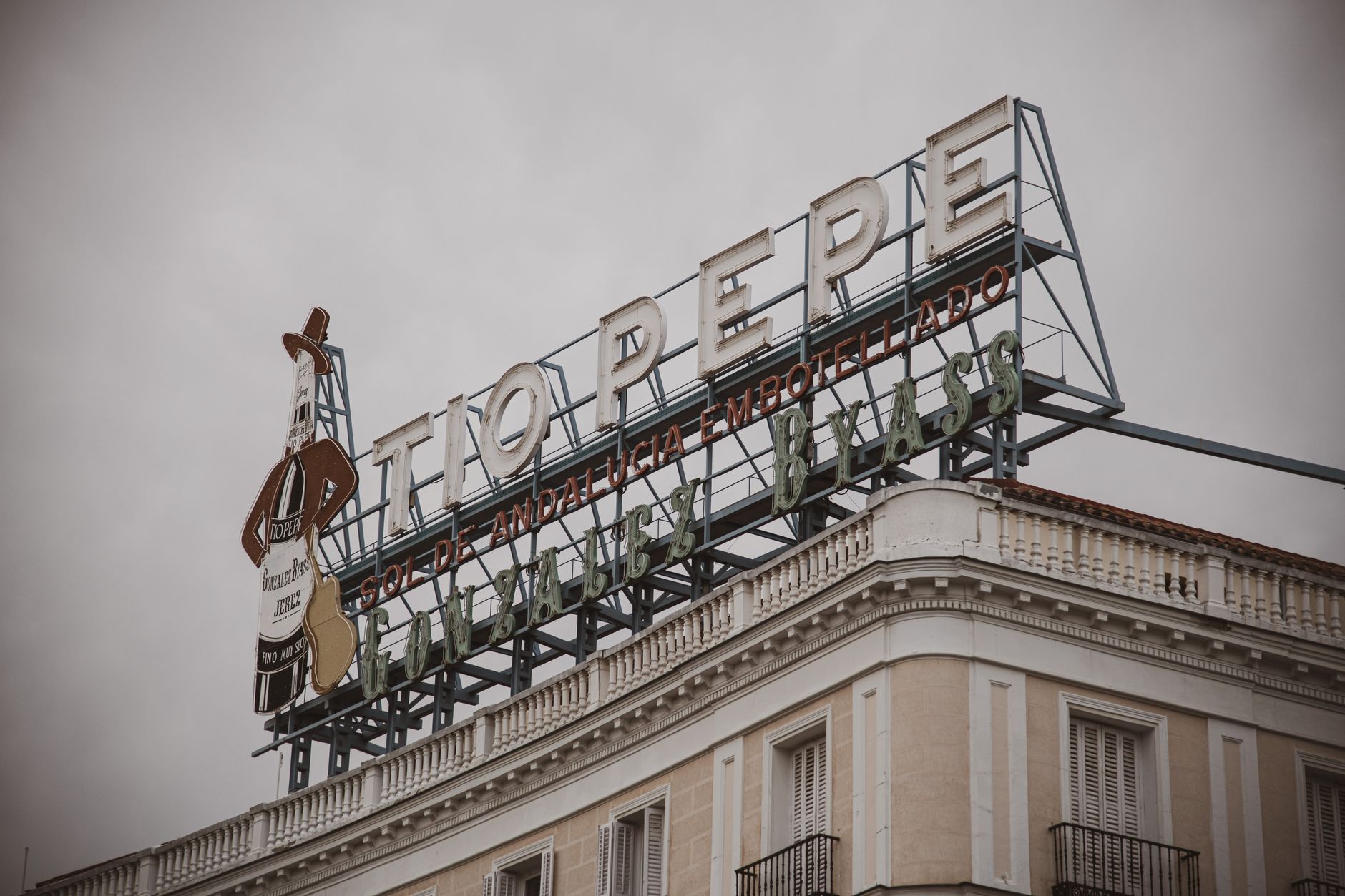
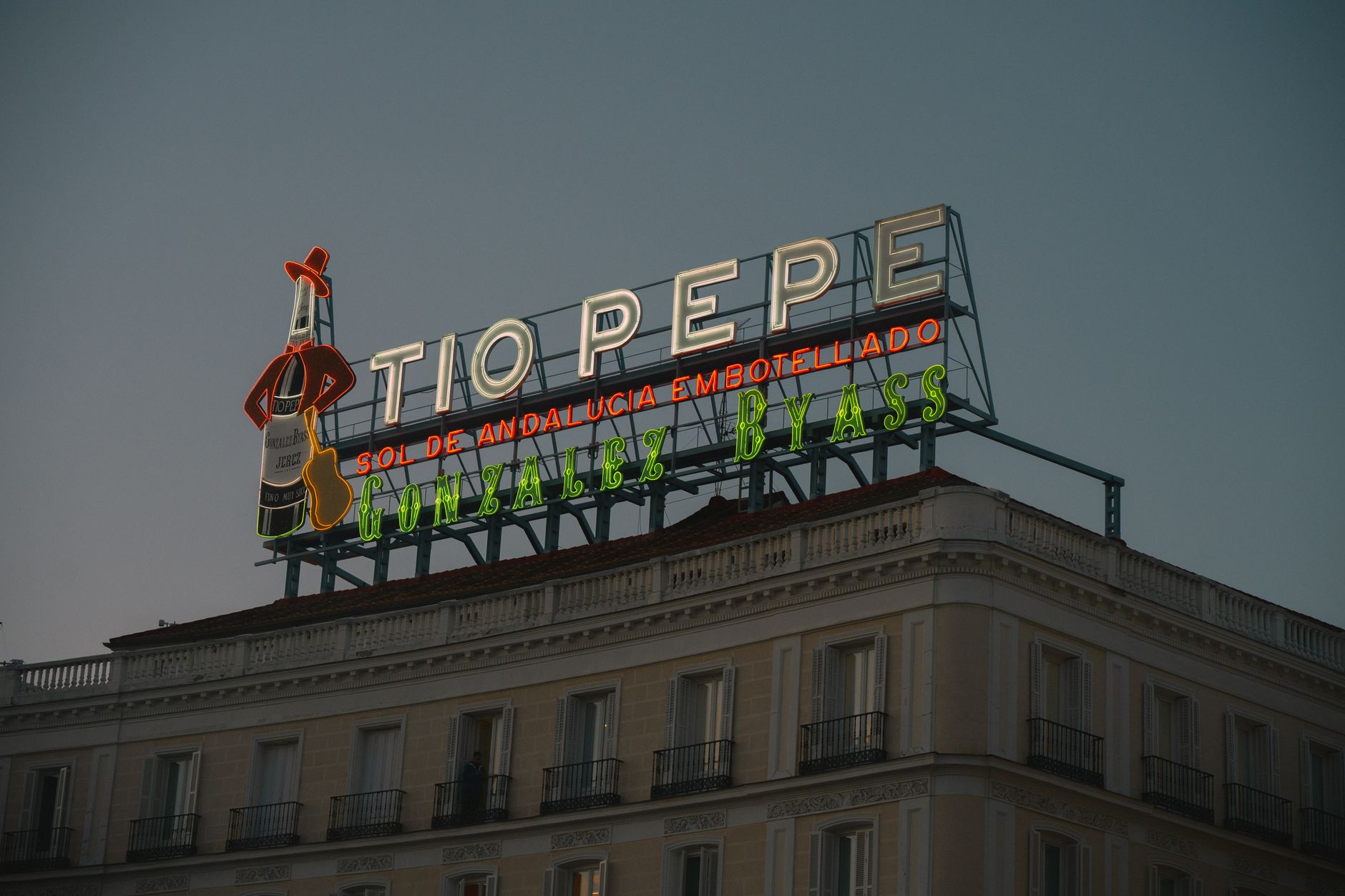
Famous Tio Pepe sign atop a building in Madrid's Puerta del Sol, an iconic city landmark

The Abono Joven is Madrid’s 30-day youth transport pass: unlimited travel on metro, EMT city buses, interurban buses, light rail and Cercanías trains across every fare zone of the Comunidad de Madrid, from age 15 until the day the holder turns 26. It is issued by the region’s transport authority, the Consorcio Regional de Transportes … Read more

How to Reach Other Spanish Cities by Train from Madrid

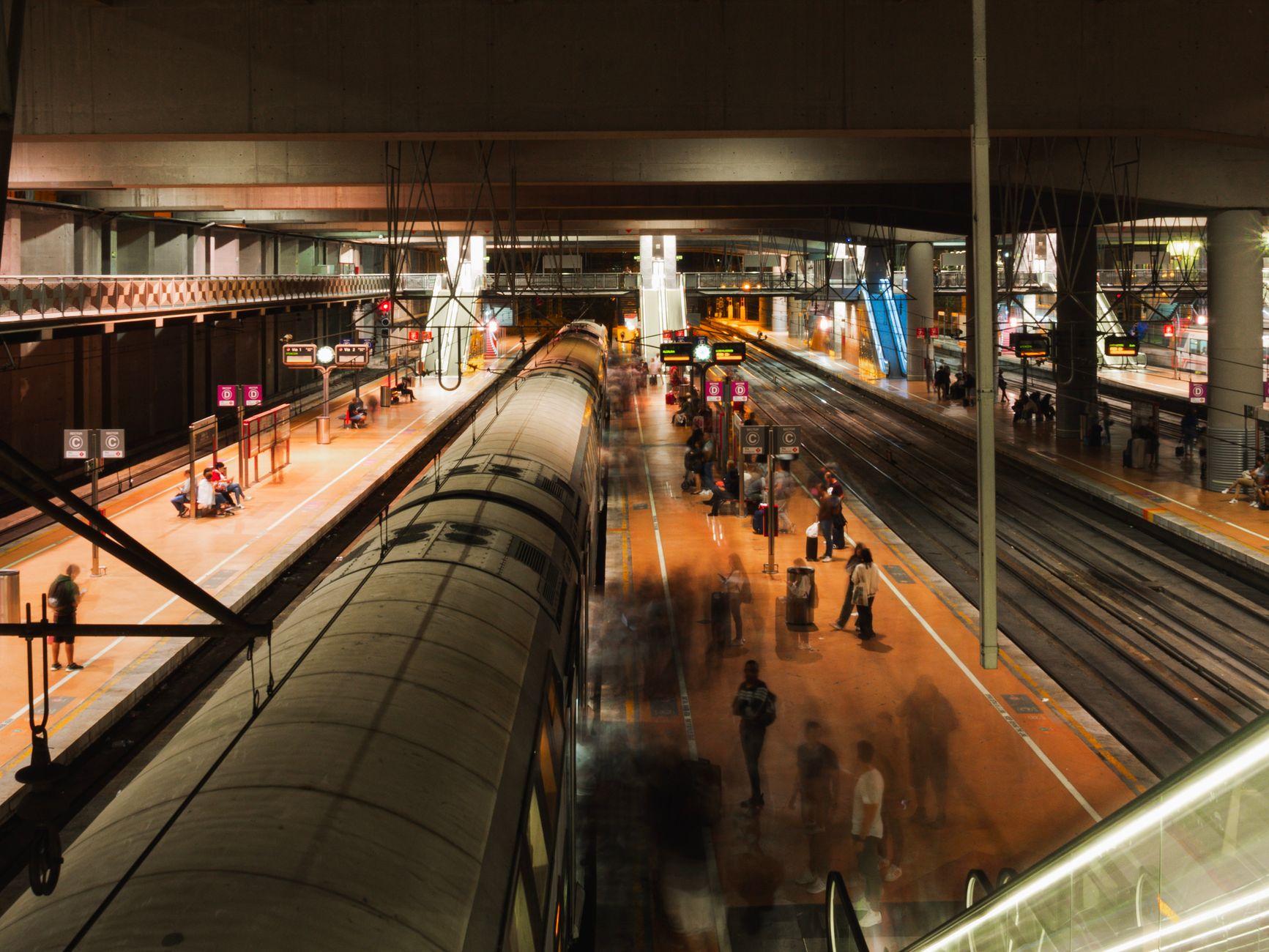
Blurred motion captures a bustling night at a Madrid railway station with people and trains

Most long-distance trains out of Madrid leave from one of two stations — Atocha, for the south and east, and Chamartín, for the north and northwest — using Spain’s high-speed AVE network. Journeys to Barcelona, Sevilla, Valencia, Málaga and Zaragoza typically run under three hours. Tickets are bought through the operator’s own site, not at … Read more

Madrid’s Main Railway Stations, and What Each One Serves

Tourists and locals gather at Puerta del Sol in Madrid during sunset, with the statue of King Charles III in view

Madrid has two large terminal stations — Atocha and Chamartín — that handle long-distance and high-speed trains, plus a chain of smaller stations that exist mainly for Cercanías, the regional commuter network. Atocha serves the south and east of Spain; Chamartín serves the north and northwest. Several central stops connect the two without either terminal … Read more

What Is Madrid’s Low-Emission Zone, and Who Does It Affect?

A man walks beside his bicycle in front of shops at Puerta del Sol, Madrid, Spain

Madrid’s low-emission zone, known officially as the Zona de Bajas Emisiones (ZBE), restricts which vehicles can drive into and within the city centre based on how polluting they are. Access depends on a national environmental label, called a distintivo ambiental, issued by Spain’s traffic authority, the Dirección General de Tráfico (DGT). Vehicles without one of … Read more

About what you read here. Access Madrid is an independent guide written from published, checkable sources — museum and transport operators’ own information, official city and tourism data, and the public record. We have not visited the places we write about, and we do not publish personal recommendations or invented “local favourites”. Where we point to something notable we say who says so.

Opening times, fares, closures and prices change, often at short notice. Everything here is a starting point, not a booking confirmation — always check the venue’s or operator’s own site before you build a day around it. We are not a travel agency and we give no advice on visas, insurance, health or safety requirements; for those, use your own government’s official guidance.