Where, and what you need to know there
A place name is useless on its own. So is an answer.
Knowing that Centro is the old city helps nobody who does not know what shuts there on a Monday. Knowing the fare system helps nobody who cannot picture the distances. So everything here carries both — the place, and the question that place actually raises.
We write what is checkable and we say who says what is claimed. We have not visited the places described here, and we do not publish invented “local favourites”.
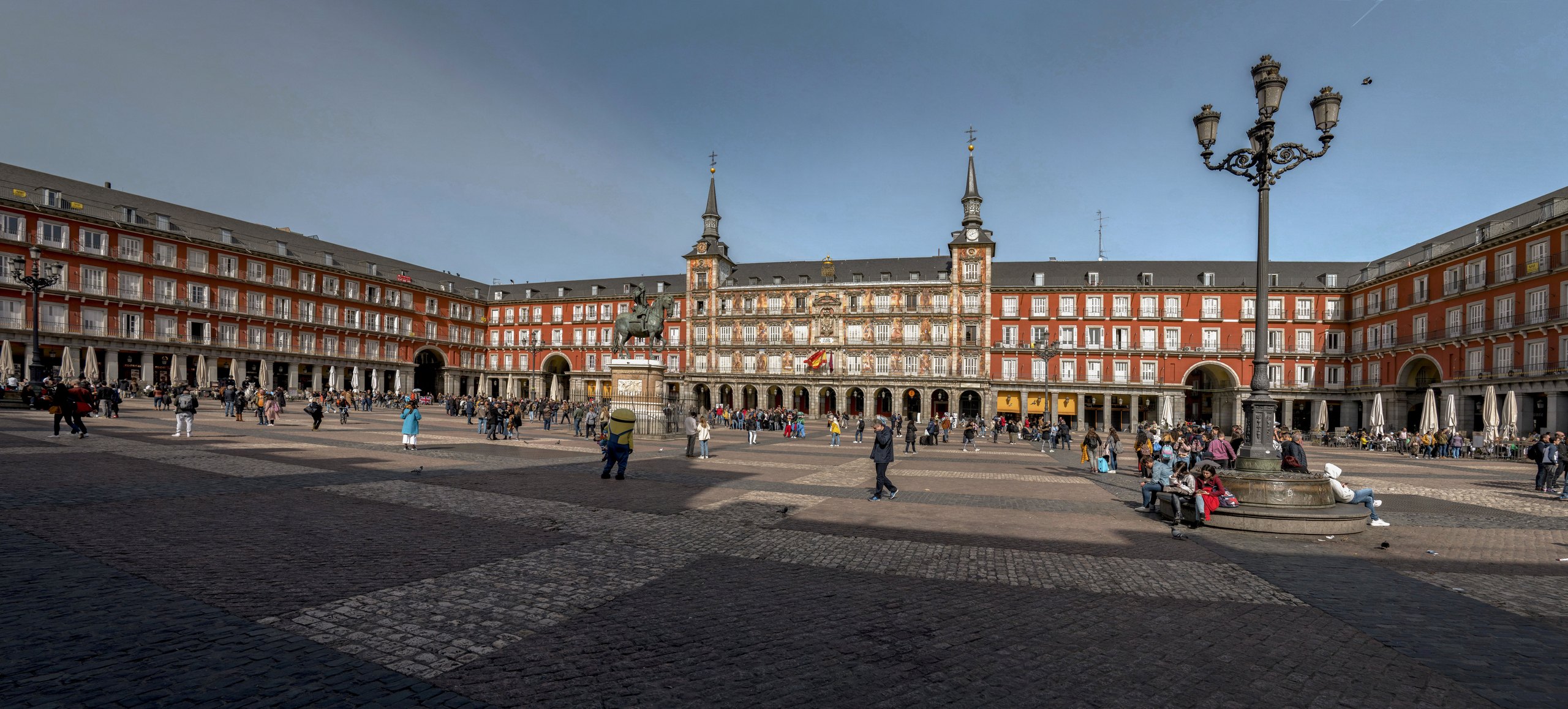
Hero photograph by Nemo, Wikimedia Commons, CC BY-SA 4.0.
.jpg)
Everything, by subject
Where things live
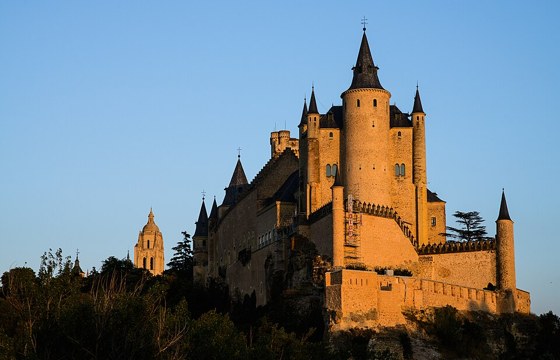 Day TripsToledo, Segovia, El Escorial and the rest.
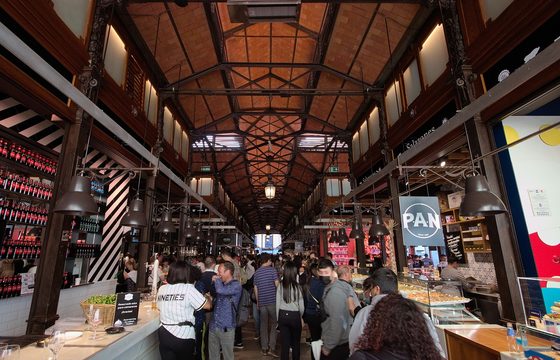 Food & MarketsMarket halls, dishes, and what a tapa is.
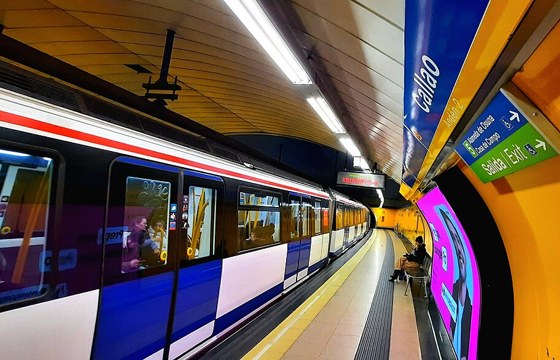 Getting AroundZones, cards, Cercanías and the airport.
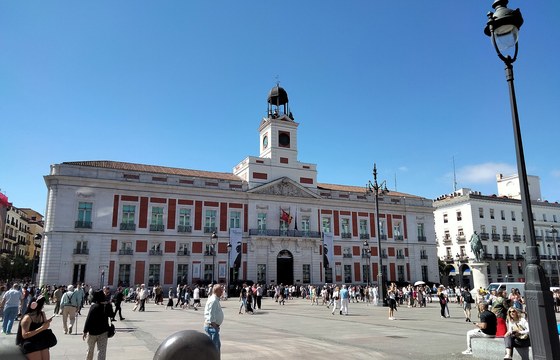 Itineraries & Day PlansSensible orders for one, two or three days.
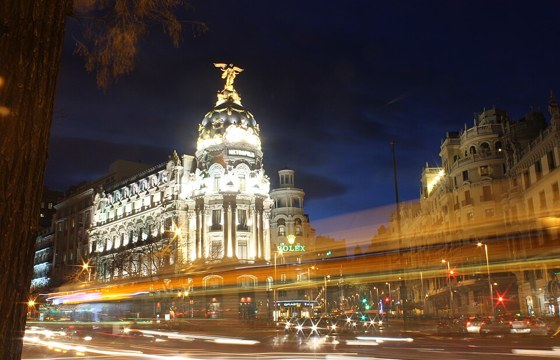 Landmarks & SightsWhat was built, when, and what for.
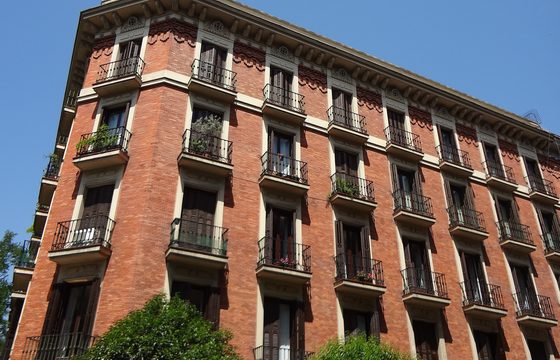 Living in MadridThe city from the resident’s side.
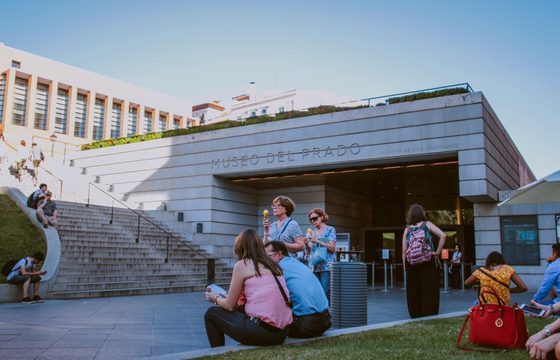 Museums & GalleriesWhat each collection holds, and how it is arranged.
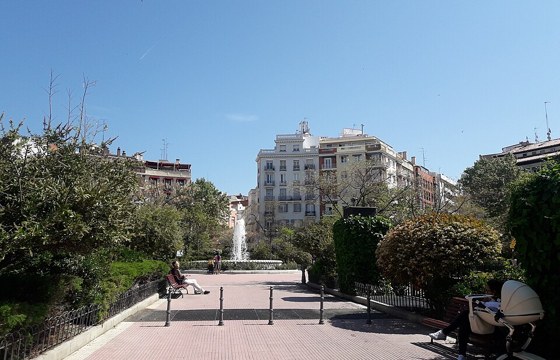 NeighbourhoodsWhere each barrio sits, and how it formed.
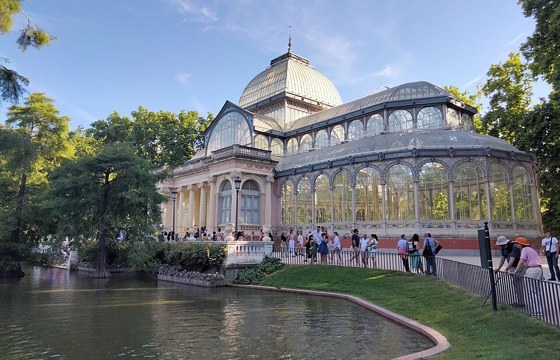 Parks & OutdoorsRetiro, Casa de Campo and the sierra.
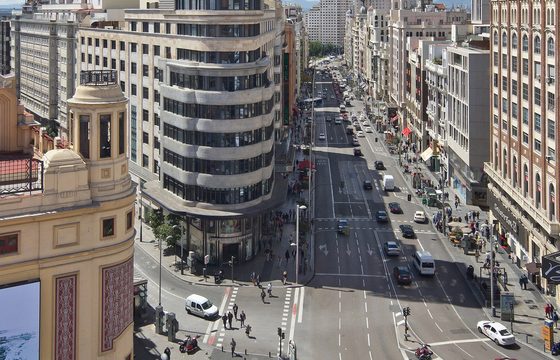 Planning & PracticalitiesThe rhythm of the day and the year.
The weld
Six places, and the question each one raises
Every card is one object: what the place is, the thing a reader standing in it wants to know, the durable answer, and where that answer comes from.
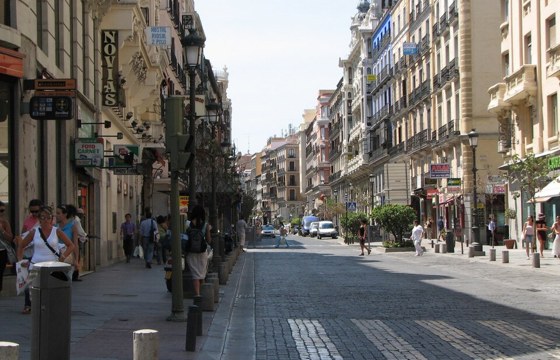
Why is half of it shut today?
Most national museums take one weekly closing day, commonly Monday. Two of the three Golden Triangle museums are affected at once.
each museum’s opening information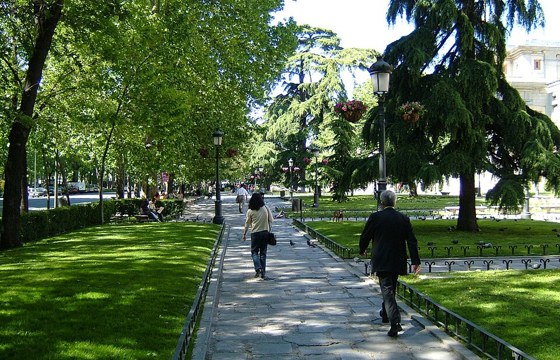
Can I do all three in a day?
They are close enough to walk between, but the Prado alone holds roughly 7,600 paintings. Proximity is not the constraint; attention is.
the museums’ own published figures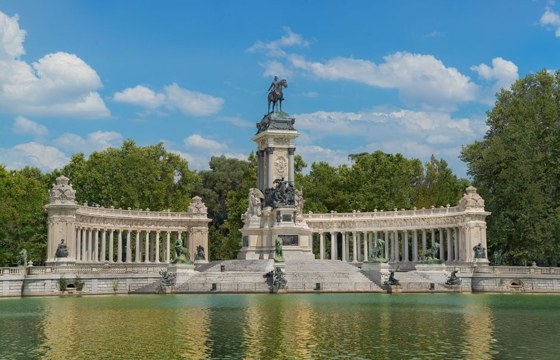
Is it worth a whole morning?
It is large enough to hold a lake, a glass pavilion and formal gardens, and free to enter. The constraint is heat, not admission.
the city council’s park information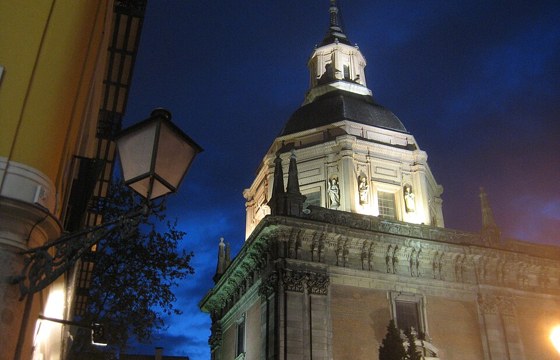
What actually happens on Sunday?
El Rastro spreads through the streets here. It is a recurring weekly market rather than an event with dates, so the pattern holds even when specifics change.
the market’s long-documented pattern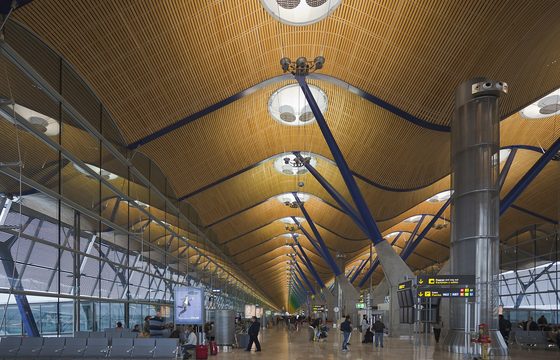
How do I get in from the airport?
The airport is on the Metro with a supplement, and also on Cercanías. It is a normal urban journey rather than an expedition.
Metro de Madrid and Renfe Cercanías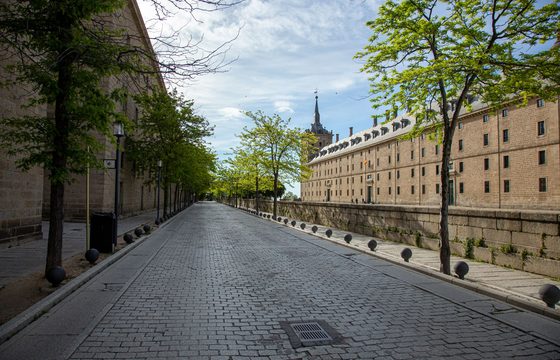
Day trip, or overnight?
Close enough by rail to be a day trip; dense enough that plenty of people regret treating them as one. Both are defensible.
Renfe published journey timesThe ledger
What the site says, and who says it
A fact without a source is just a confident sentence, so the claim and its provenance sit side by side.
The standing rules
What we can tell you, and what we will not
The third column is the unusual one. Most guides quietly fill it in and hope you do not check.
Recently
Newest writing
- 01Left Luggage in Madrid: The Stations Don’t Store BagsPlanning & Practicalities
- 02Prado, Reina Sofia, Thyssen: Free Entry or the Paseo del Arte Card?Museums & Galleries
- 03Madrid Airport to the City Centre: What Each Option Really CostsGetting Around
- 04Day Trips From Madrid, Compared by Journey Time and CostDay Trips
- 05Is the Abono Transporte Worth It for a Madrid Resident?Getting Around
- 06What Is Toledo, and Why Is It Madrid’s Classic Day Trip?Day Trips
- 07What Are Madrid’s Summers Like to Live Through?Living in Madrid
- 08How Does Refuse and Recycling Work in Madrid?Living in Madrid
The method, stated first
How we know what we publish
Most guides put this in an About page nobody reads, if they state it at all. It is near the top of this one, because it is the whole difference.
Every statement here is something that can be verified from a published source: what a collection holds, when a building went up, how a fare system is structured. If it cannot be checked, it does not go on the page.
Where something is singled out as notable, the source is named — a museum’s own catalogue, a UNESCO inscription, an operator’s published information. You get the claim and its provenance together, and can weigh both.
Fares, hours and closures change constantly. We write the durable shape of a system and point you at the operator for the number that is true today, rather than printing one that will quietly rot.
Where this site stops
We explain what Madrid contains and how it works. We are not a travel agency, we have not been to these places, and we will not pretend otherwise.
- No invented places, and no invented detail about real onesWe will not name a restaurant we are not certain exists, and we will never describe what being somewhere is like. That is the line the whole genre crosses.
- No personal recommendations — only sourced onesWhere something is singled out as notable we say who says so: a Michelin listing, a UNESCO inscription, a museum’s own catalogue, an official tourism body.
- No dated event listingsThey are wrong within a week and we cannot maintain them. We write what recurs and roughly when, and tell you to check the current dates yourself.
- No fares, prices or opening times as factThey change constantly. We explain the shape of a system and send you to the operator for the number that is true today.