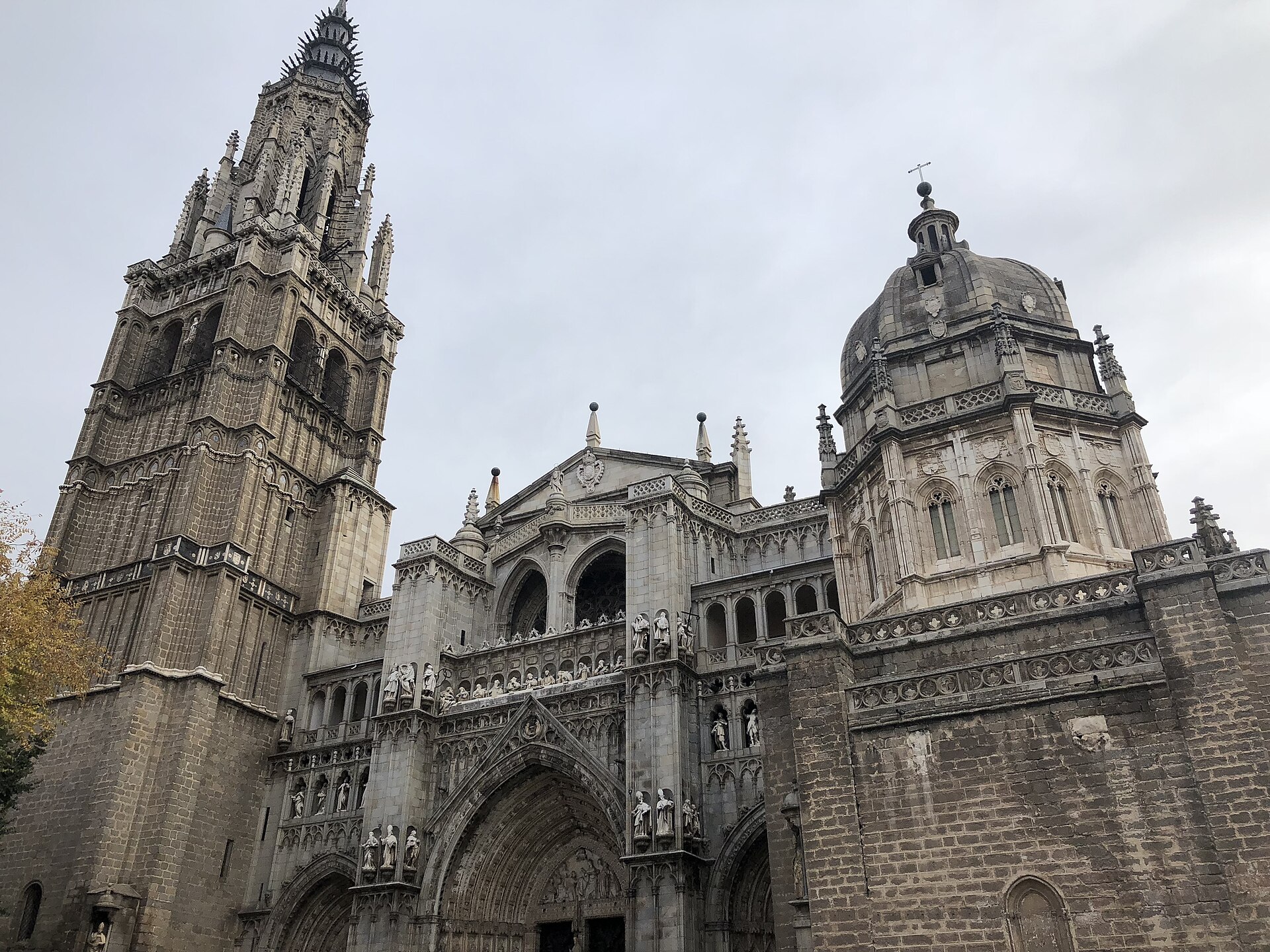
What Is Toledo, and Why Is It Madrid’s Classic Day Trip?

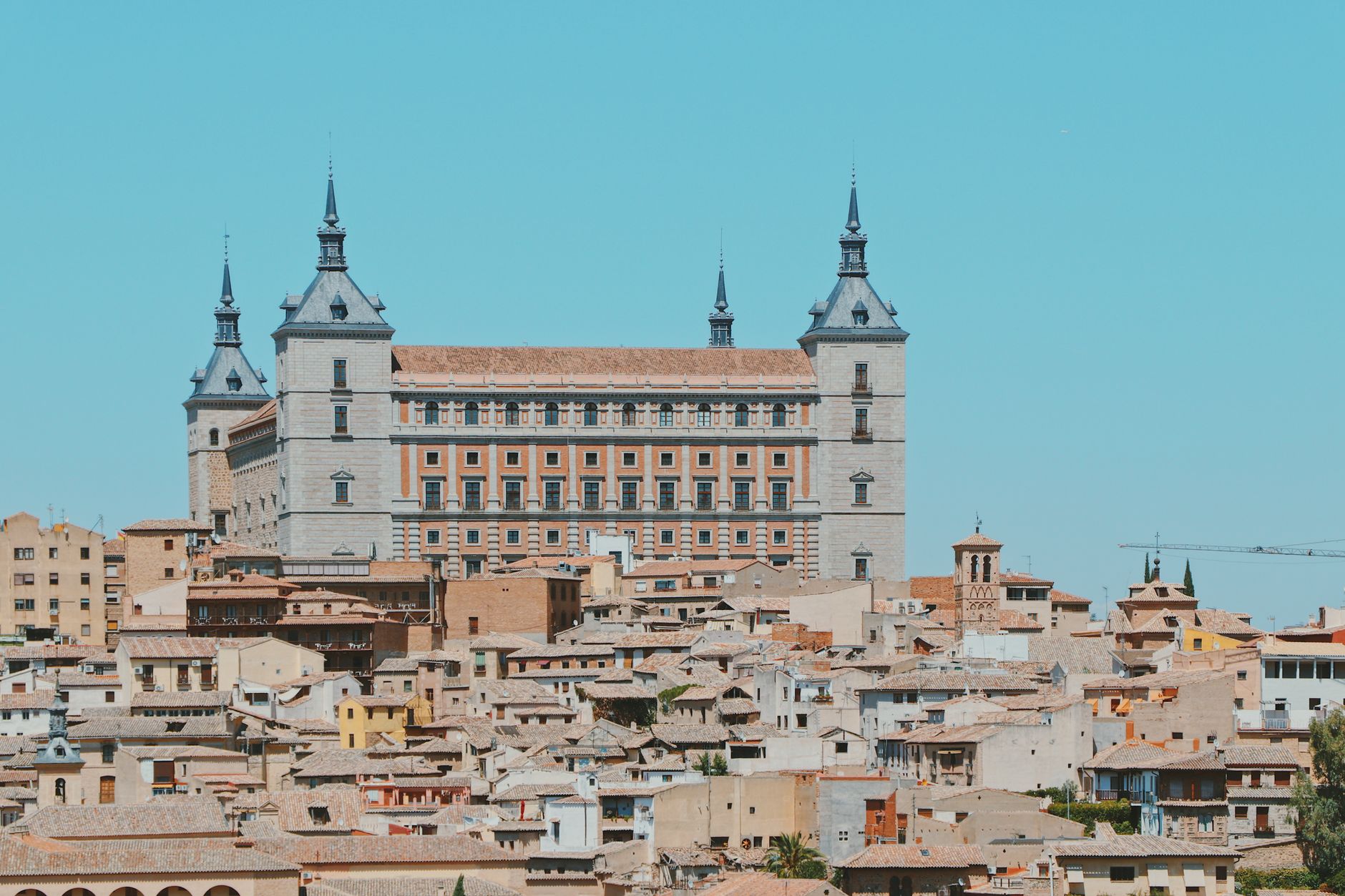
Panoramic view of the Alcazar of Toledo, a historical landmark in Spain

Toledo is a walled city on a granite hill about 70 kilometres south of Madrid, encircled almost entirely by a bend in the Tagus river. It was the capital of Spain until 1561 and is now the capital of the Castile-La Mancha region. UNESCO lists its entire old town as a World Heritage Site. High-speed … Read more

What Is Manzanares el Real? Madrid’s Castle Town Explained

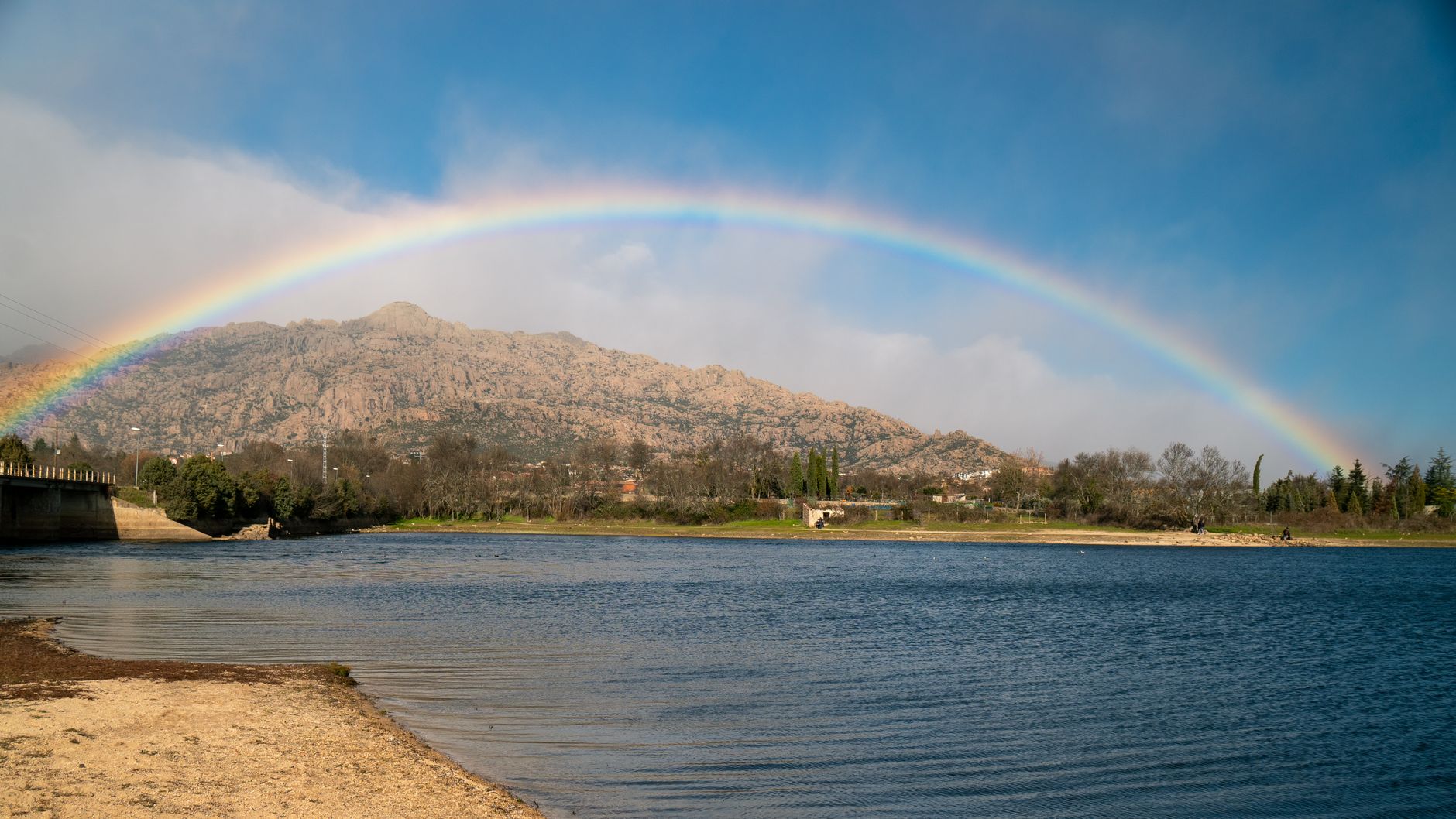
Stunning view of a rainbow arching over the lake and mountains in Manzanares el Real

Manzanares el Real is a municipality in the Community of Madrid, about 50 kilometres north of the capital, built around a well-preserved 15th-century castle and a reservoir at the foot of the Sierra de Guadarrama. It functions both as a lived-in town and as the main access point to La Pedriza, a granite mountain area … Read more

Is Cuenca a Day Trip From Madrid, or an Overnight?

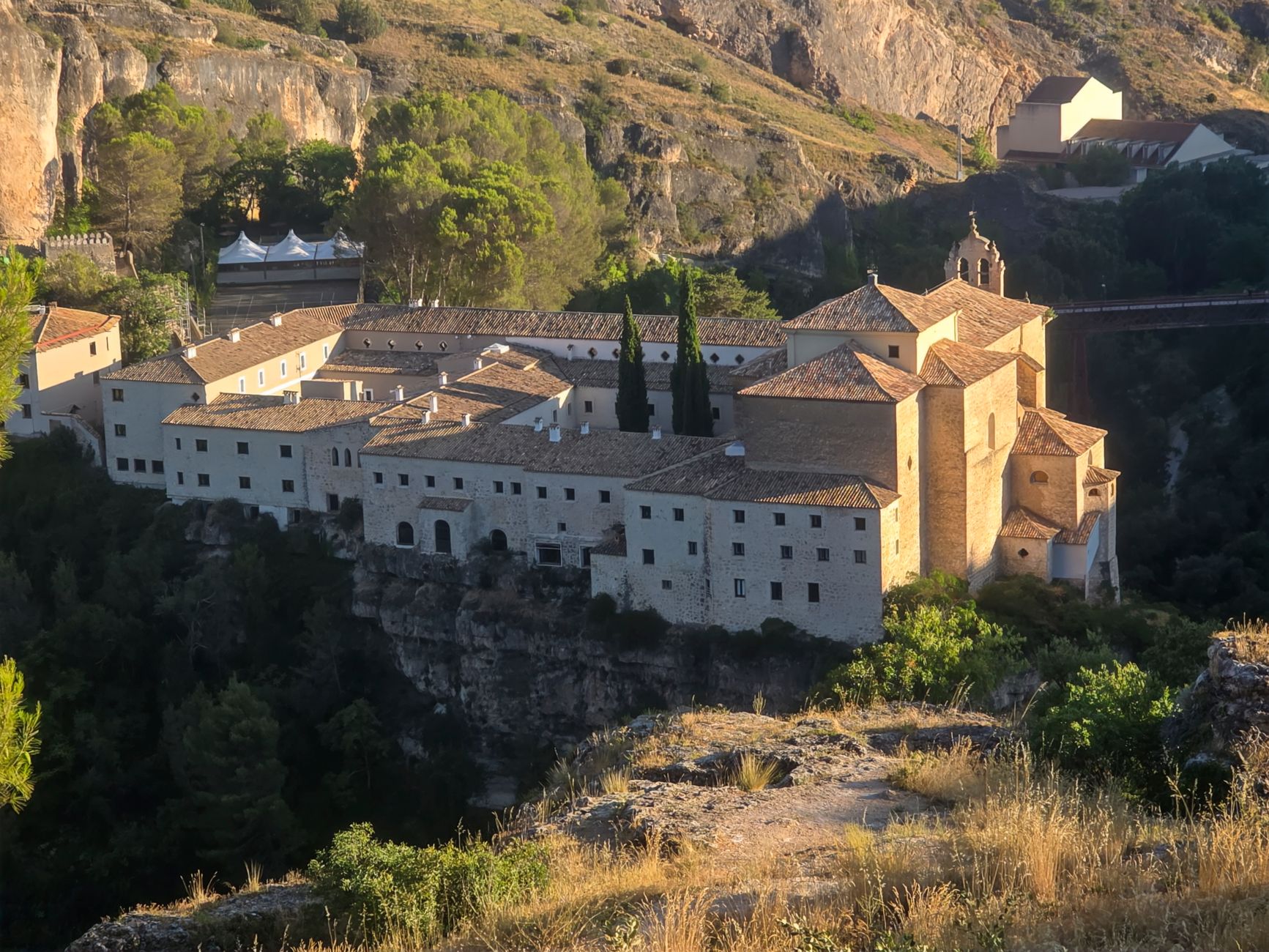
Aerial view of a historic monastery in Cuenca, Spain during daytime, surrounded by cliffs and greenery

Cuenca works well as a day trip if the plan is limited to the old town and its museums — the high-speed train makes it roughly an hour each way from Madrid. It becomes an overnight if the plan includes the Ciudad Encantada, the wider Serranía de Cuenca, or simply seeing the hanging houses lit … Read more

What Is Chinchón? Madrid’s Plaza Mayor Day Trip

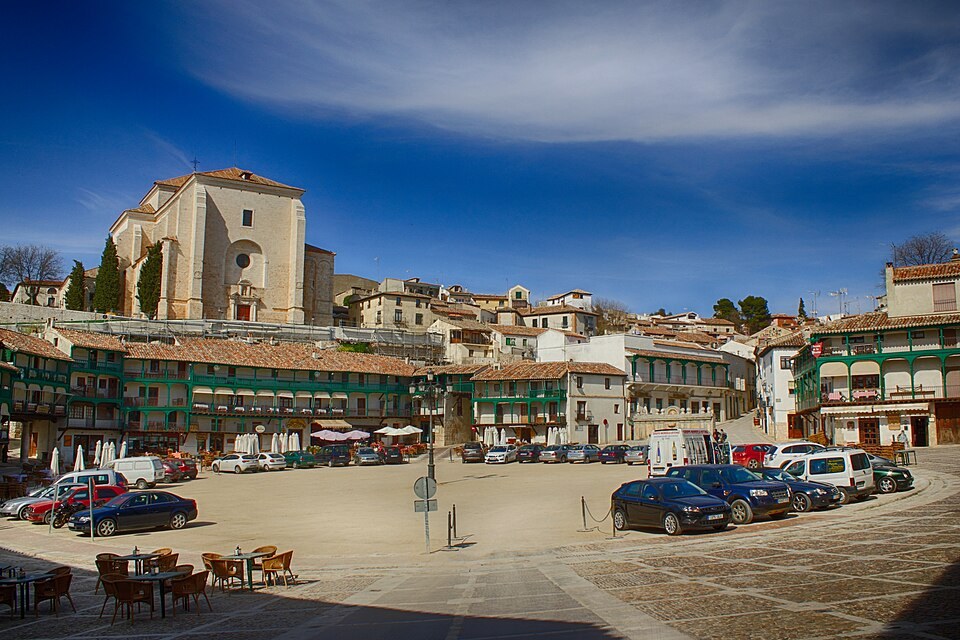
The arcaded Plaza Mayor of Chinchón with its wooden balconies

Chinchón is a small town in the Community of Madrid, about 45 kilometres southeast of the capital, built around an irregular, arcaded Plaza Mayor lined with tiered wooden balconies. It is known for that square, for a locally produced anís liquor, for a Goya painting in its parish church, and for a castle that later … Read more

What Is Aranjuez? Madrid’s Royal Garden Town Explained

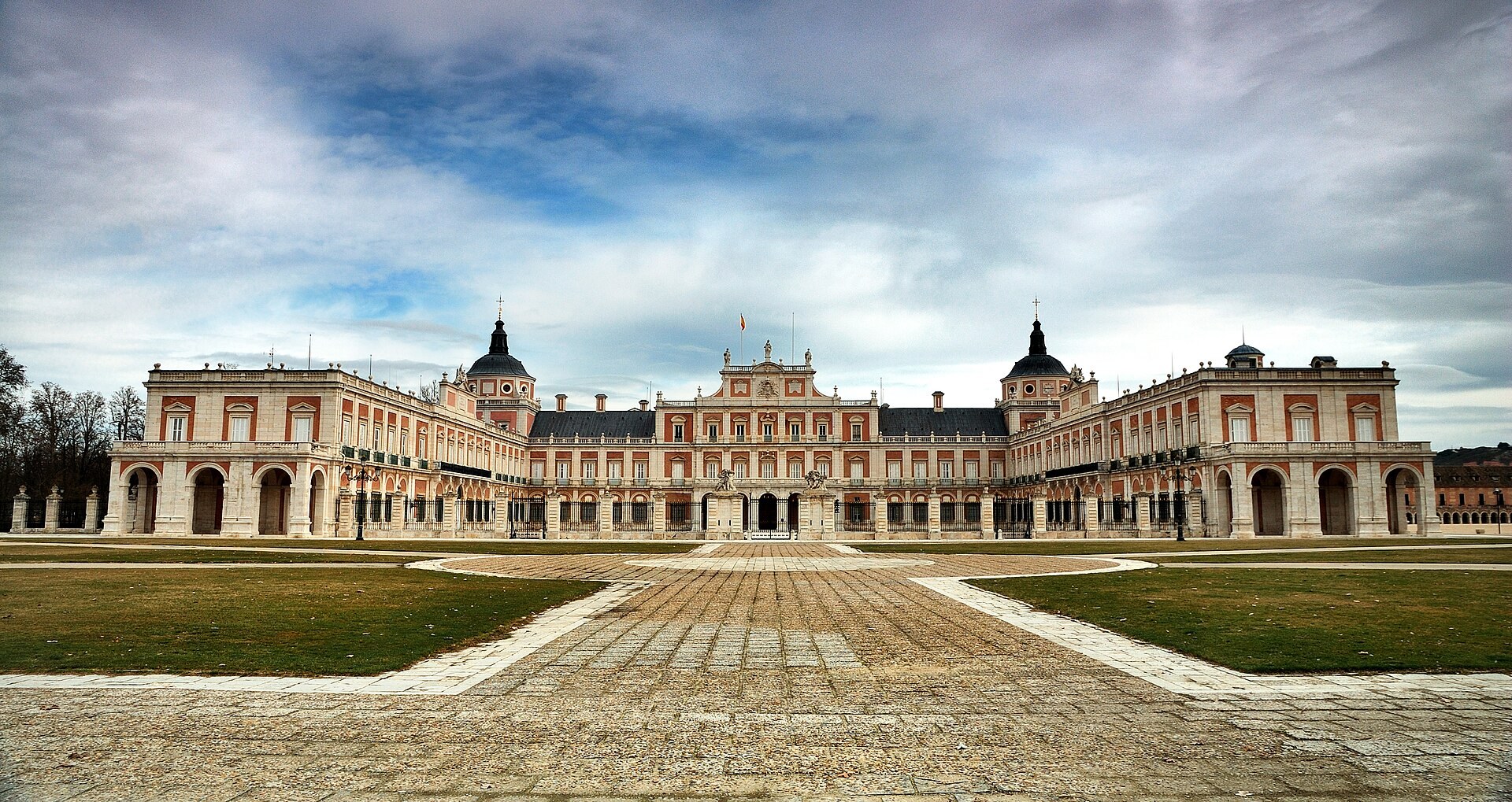
The Royal Palace of Aranjuez seen across its forecourt, with lawns to either side

Aranjuez is a town about 47 kilometres south of Madrid, built around a former royal residence and its gardens on the banks of the Tagus river. It functioned as a spring and autumn retreat for the Spanish court from the 16th century onward, and UNESCO has inscribed its palace, town plan and gardens as a … Read more

What Is Alcalá de Henares? A Madrid Day Trip Explained

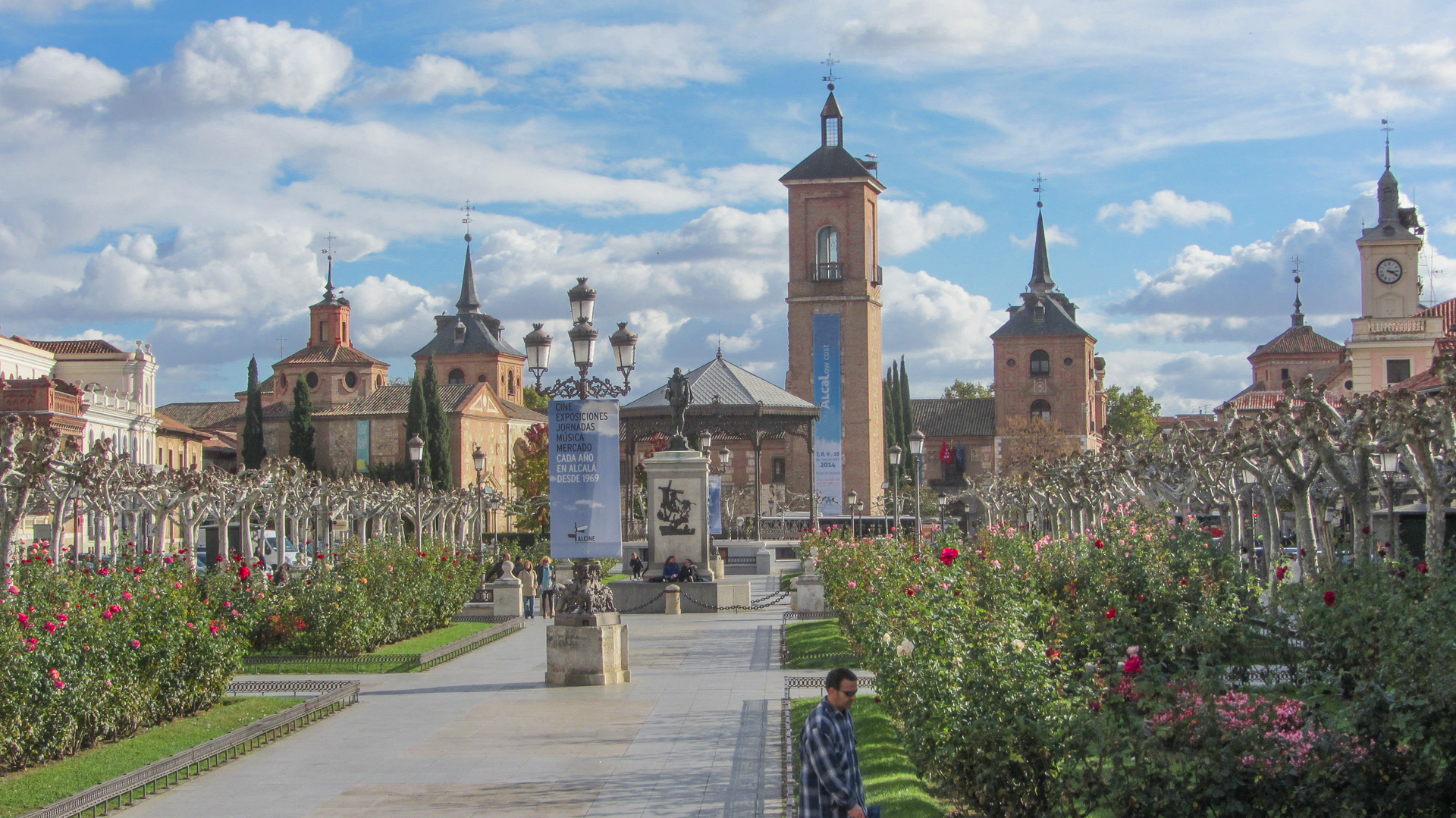
Plaza de Cervantes in Alcalá de Henares

Alcalá de Henares is a city of around 200,000 people in the eastern part of the Community of Madrid, roughly 35 kilometres from the capital. It is built around one of Europe’s oldest universities and is the recorded birthplace of Miguel de Cervantes. UNESCO lists its university and historic centre as a World Heritage Site. … Read more

What Is Ávila, and What Are Its Medieval Walls?

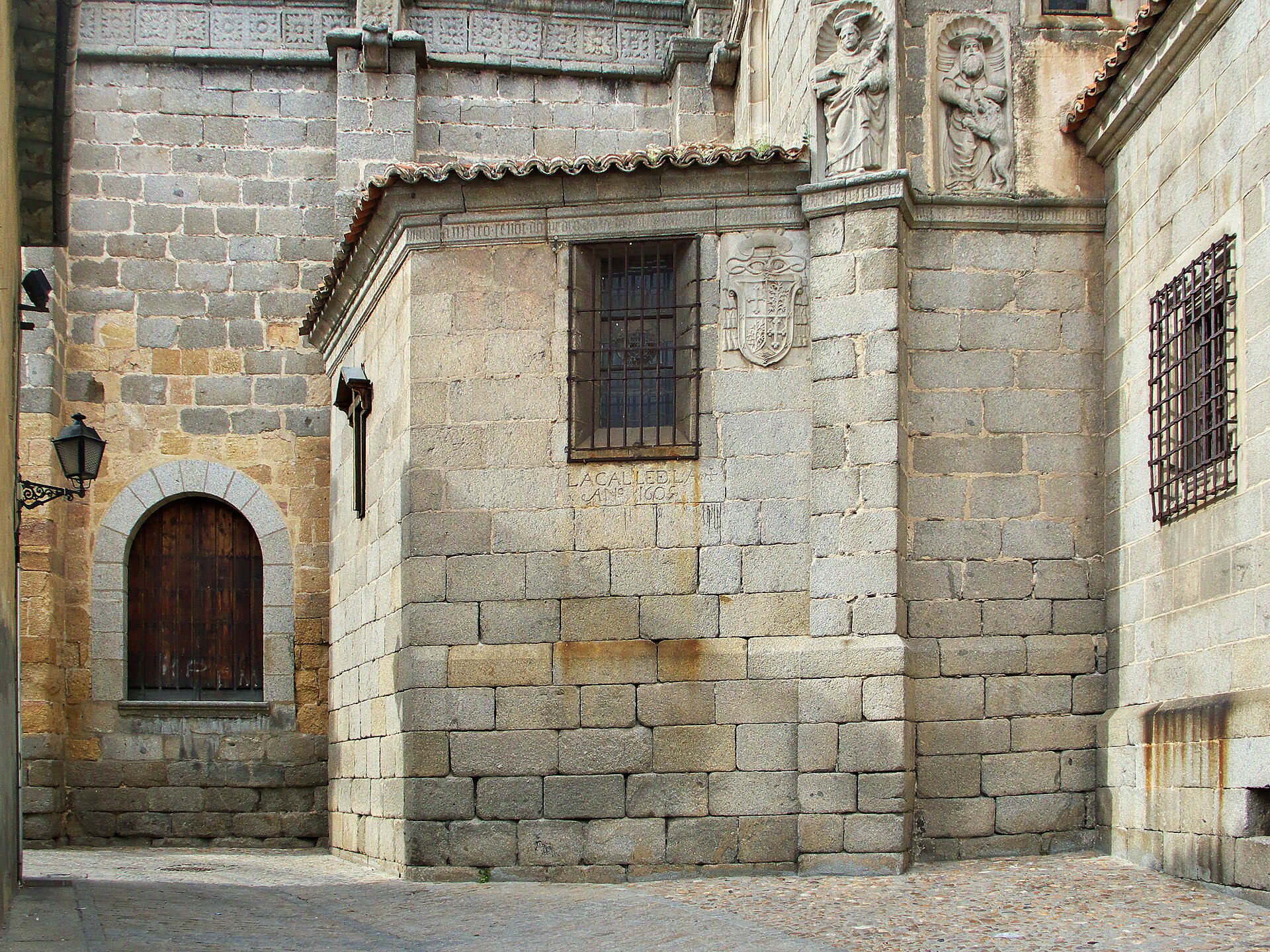
Calle de la Cruz Vieja, also known as the street of Life and Death, in Ávila

Ávila is a small walled city in Castile and León, about 110 km northwest of Madrid, built on a granite outcrop above the Adaja river. Its walls are a largely intact Romanesque fortification from the late 11th and 12th centuries — roughly 2.5 km of stone circuit with dozens of towers, still enclosing the old … Read more

What Is El Escorial? Madrid’s Royal Monastery Explained

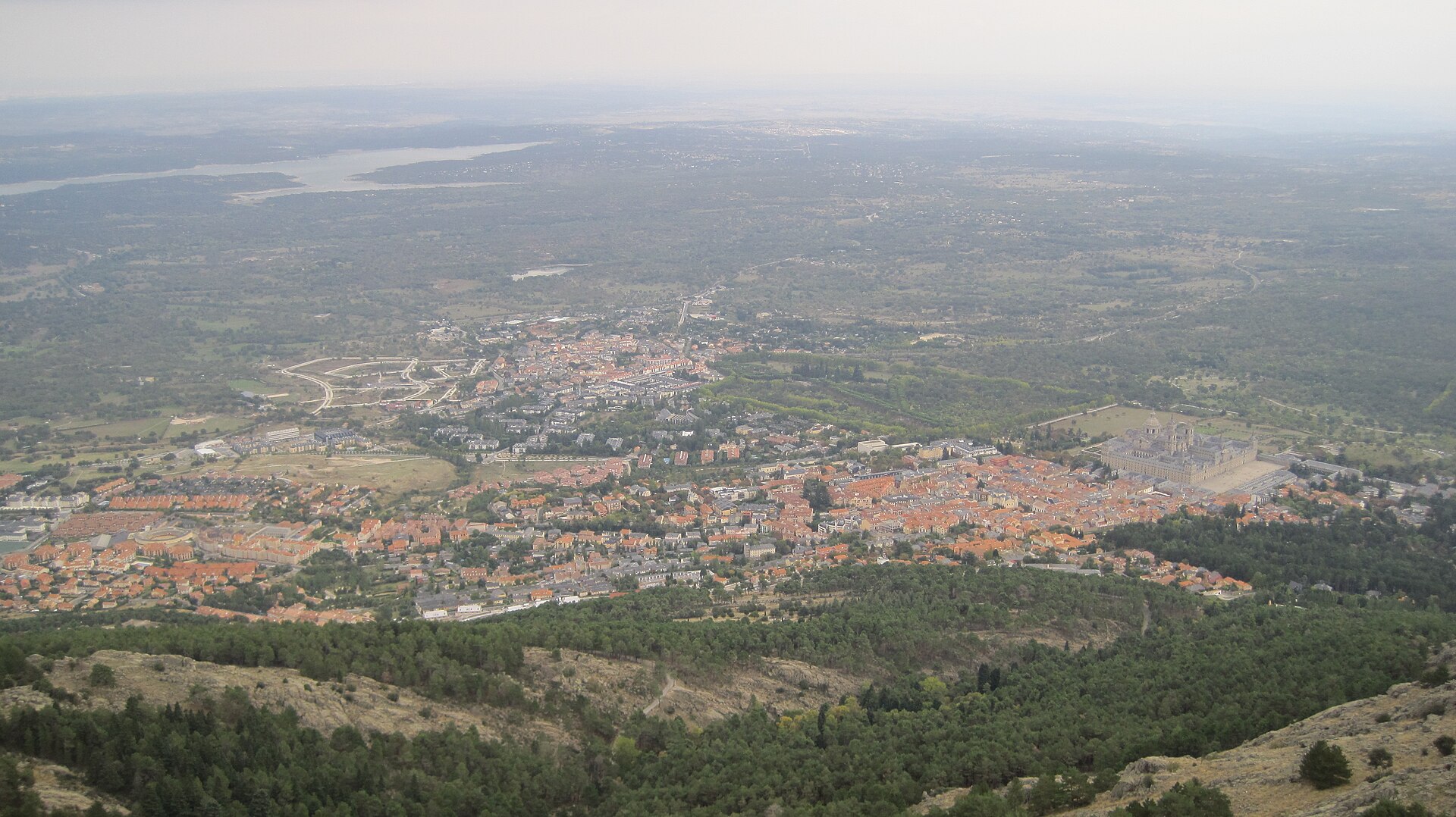
El Escorial and the town of San Lorenzo seen from the summit of Monte Abantos

El Escorial is a vast granite monastery-palace built for King Philip II in the second half of the 16th century, about 45 kilometres northwest of Madrid. It combines a working Augustinian monastery, a royal palace, a basilica, a library and a mausoleum where most Spanish monarchs since Charles I are buried. UNESCO lists it as … Read more

What Is Segovia, and What Is Its Aqueduct?

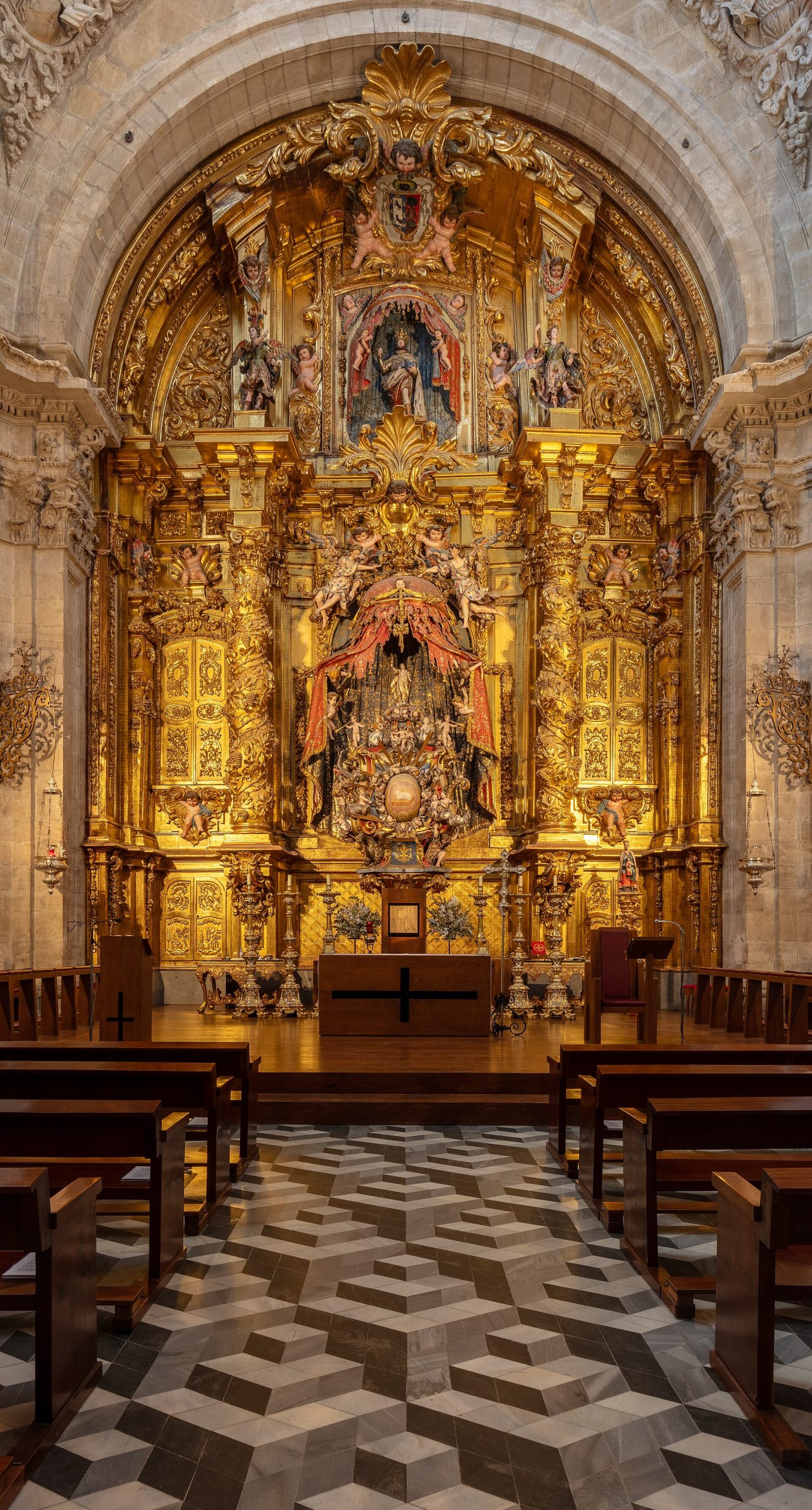
The Chapel of the Tabernacle inside the Gothic cathedral of Segovia, Spain

Segovia is a city of around 50,000 people in the Castilian plateau, roughly 90 minutes north-west of Madrid by road or under 30 minutes by high-speed train. Its landmark is a Roman aqueduct: a raised stone channel, built without mortar, that still stands more than 800 metres through the middle of the old town. What … Read more

About what you read here. Access Madrid is an independent guide written from published, checkable sources — museum and transport operators’ own information, official city and tourism data, and the public record. We have not visited the places we write about, and we do not publish personal recommendations or invented “local favourites”. Where we point to something notable we say who says so.

Opening times, fares, closures and prices change, often at short notice. Everything here is a starting point, not a booking confirmation — always check the venue’s or operator’s own site before you build a day around it. We are not a travel agency and we give no advice on visas, insurance, health or safety requirements; for those, use your own government’s official guidance.