Madrid runs on a later, split daily rhythm than most northern European cities: many shops close for two or three hours in the early afternoon, restaurants rarely serve dinner before 8:30pm, and museums typically open mid-morning and close in the early evening, with one late night a week and free entry windows near closing. Hours vary by sector and season, so specific times should always be confirmed with the operator.
Madrid opening times at a glance (typical patterns; check the venue for exact hours):
- Independent shops: commonly around 10am to 2pm, then roughly 5pm to 8pm or later. Department stores and shopping centres usually stay open all day.
- Sundays and holidays: shops in the Comunidad de Madrid may legally open on any Sunday or public holiday (regional Ley 2/2012). Many small shops still choose to close.
- Restaurants: lunch around 1:30pm to 4pm. Dinner rarely starts before 8:30pm.
- Museums: mostly 10am to between 6pm and 8pm. The Prado opens every day of the week, the Reina Sofía closes on Tuesdays and many smaller state museums close on Mondays.
- Metro: 6am to 1:30am every day, according to Metro de Madrid. After that, the Búho night buses run.
- August: many family-run shops and some restaurants close for two to four weeks.
What time do shops open and close in Madrid?
Independent shops commonly open around 10am, close for a few hours in the early afternoon, then reopen from roughly 5pm to 8pm or later. Large department stores and shopping centres typically stay open through the middle of the day without a break. This split pattern is often called the siesta closure, though it describes a business habit rather than an afternoon nap most residents actually take — the siesta guide sets out how much of the stereotype still holds.
Sunday trading is not restricted in the Comunidad de Madrid. Since the regional Ley 2/2012 de Dinamización de la Actividad Comercial took effect in July 2012, any shop, whatever its size, may open on any Sunday or public holiday and set its own hours (the law is published in the Boletín Oficial del Estado). In practice department stores, shopping centres and many chain stores in the centre trade on Sundays, while plenty of small independent shops still close, so whether a particular store opens is the owner’s choice rather than a rule. It is not safe to assume any given store will be open.
What time do restaurants and bars operate?
Lunch service generally runs from around 1:30pm to 4pm, and dinner rarely starts before 8:30pm, running later on weekends. A bar or café that opens early for coffee may have no kitchen service at all outside those windows. This is not a matter of individual restaurant choice — it reflects a citywide meal structure explained in full in the guide to Spanish meal times, which also covers where a mid-morning or late-night option can realistically be found.
What time do museums open in Madrid?
Most major museums open around 10am and close between 6pm and 8pm, with one evening a week extended later and a free or reduced-price window in the final hour or two of certain days — each museum sets its own specific hours and free periods, published on its own site. The Museo del Prado’s own visiting information is the reference point for that institution’s current times and free hours.
A Monday closure is common among the smaller state-run museums, such as the Museo Sorolla, but it is not universal. The Prado opens every day of the week, and the Museo Reina Sofía’s own hours page lists Tuesday as its closing day, with free entry from 7pm on the evenings it is open. The explainer on Monday closures traces to conservation and staffing practice rather than any single rule. Where free-entry windows exist, they are detailed in the piece on national museum free entry in Madrid, and the three institutions that anchor the Paseo del Prado are covered together in the Golden Triangle of Art overview.

What time do markets open?
Covered food markets such as Mercado de San Miguel or Mercado de San Antón generally open from mid-morning into the evening, seven days a week, though individual stalls inside them set their own hours and some close earlier on Sundays or Mondays. Neighbourhood produce markets aimed at daily shopping — rather than visitor-facing food halls — tend to follow shorter, weekday-morning hours and often close entirely on Sunday and for part of Monday. The food and markets archive covers individual markets and what each one actually stocks.
Are hours different on Sundays and public holidays?
Yes, though by custom rather than by law. Many independent shops close on Sundays and public holidays, while museums, churches, markets aimed at tourism, and hospitality generally continue to operate, often on a modified schedule. Spain observes national, regional and municipal holidays through the year, and a holiday falling on a weekday can close shops that would normally trade, while pushing restaurant and bar hours later into the evening as it effectively becomes a long weekend. There is no single citywide holiday calendar published far in advance for every sector, so a specific closure should be checked against the operator or the Ayuntamiento de Madrid’s own calendar for that date.
How does August change opening hours?
August is the month most likely to disrupt an otherwise predictable schedule. Many family-run shops and some restaurants close for two to four weeks, while museums and larger retailers generally continue on close to normal hours. The scale and pattern of this seasonal thinning-out — and which parts of the city are least affected — is covered in the guide to what happens in Madrid in August. The climate through the year piece explains why August heat is also the practical driver behind the August closures and the shift toward later evening hours generally.
What time does public transport run?
Metro de Madrid operates from around 6am to 1:30am daily, a specific enough figure that it should be confirmed on Metro de Madrid’s own site before relying on it late at night. EMT city buses run through the day on published routes and reduce to a network of night lines, the Búho buses, once the metro stops — the EMT bus network guide and the separate piece on Madrid’s night buses cover how each system actually operates after hours. Fares and the underlying zone structure, which do not change with the daily clock but are easy to conflate with it, are set out in the Madrid metro fare system explainer.
Do opening hours differ for residents planning a routine versus a visitor planning a day?
A resident builds a week around the rhythm rather than around any single opening time: groceries and administrative errands fit into the morning before the early-afternoon closure, dinner plans start later than a northern-European schedule would suggest, and August is treated as a genuine seasonal gap rather than a curiosity. A visitor planning a single day benefits most from knowing that lunch, siesta-hour shop closures and late dinner service are structural, not occasional — planning a midday museum visit or a late-afternoon walk around a district works with the rhythm rather than against it. Both angles are covered at greater length in the Living in Madrid hub and the practical planning hub, and the Planning & Practicalities archive holds the more granular pieces on transport, fares and seasonal timing referenced above.
What’s the simplest way to plan around Madrid’s hours?
Treat the day as split into three blocks — a working morning, a long early-afternoon lull affecting general retail, and an evening that runs later than expected for dinner and some cultural events — and confirm any single specific opening time directly with the operator before relying on it, since these figures change by season and are the one part of the city’s rhythm that a guide like this cannot promise will still hold next month.
Access Madrid is an independent guide written from published, checkable sources. We have not visited the places described here and we do not publish personal recommendations or invented ‘local favourites’ — where something is singled out as notable, we say who says so. Opening times, fares, closures and prices change at short notice, so treat everything here as a starting point and confirm with the museum, operator or venue directly before building a day around it. We give no advice on visas, insurance, health or safety; use your own government’s official guidance for those.
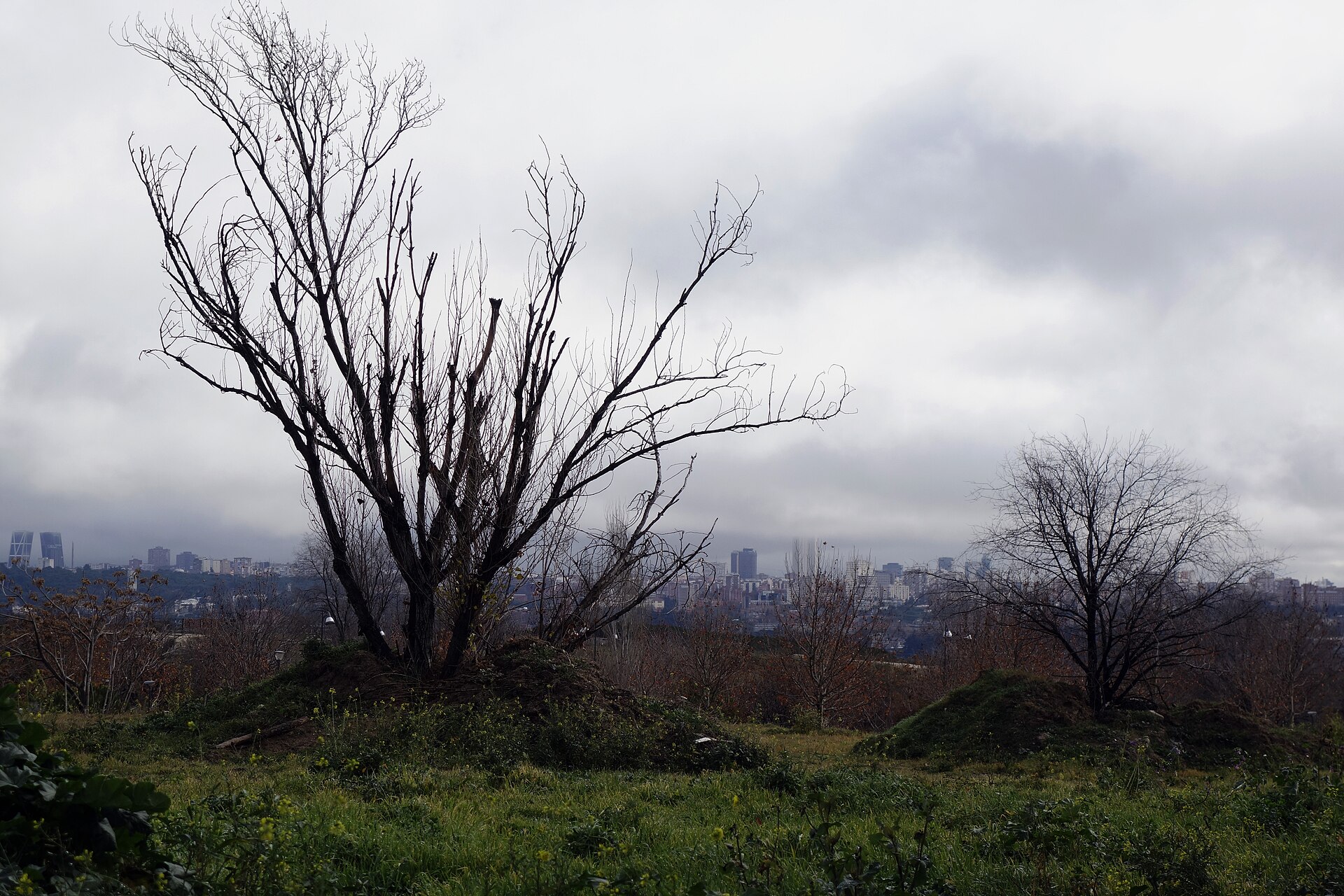
Featured image: Photo by Tomás Fano, source, CC BY-SA 2.0
_26.jpg)