Public holidays in Madrid close shops, government offices and most banks, and put museums and public transport onto reduced or Sunday-style schedules. They do not usually close restaurants, bars or major tourist sites, which tend to treat a holiday as a normal — sometimes busier — trading day.
Why does Madrid have so many different holidays?
Spain sets a fixed number of public holidays each year, and by law they come from three separate sources, not one calendar. That is why a date can be a holiday in Madrid but not in Barcelona, or a holiday in the city of Madrid but not in a neighbouring Comunidad de Madrid town.
- National holidays — set by the Spanish government and observed across the whole country, such as New Year’s Day, Labour Day and Christmas Day.
- Regional holidays — chosen by each autonomous community; for Madrid this includes the Comunidad de Madrid’s own regional day and, typically, the Thursday and Friday before Easter Sunday.
- Local holidays — set by the city council itself, usually two per year, tied to the city’s own patron saints.
The combined list adds up to roughly fourteen closed days a year, but the exact dates shift annually because some are tied to the Christian calendar and others are moved when they fall on a weekend. The Comunidad de Madrid publishes the confirmed calendar (calendario laboral) for the coming year on its own site, and that is the only reliable source for exact dates.
What are Madrid’s own local holidays?
Madrid’s city council designates two municipal holidays that apply only within the capital, and they matter because they are the ones outsiders are least likely to know about in advance.
- San Isidro (15 May) — the feast of Madrid’s patron saint, marked with the Pradera de San Isidro festival and traditionally treated as a full civic holiday across the city.
- Almudena (9 November) — the feast of the Virgen de la Almudena, the city’s patroness, whose basilica sits beside the Royal Palace.
Both are city-wide closures for offices, banks and most shops, even though neither appears on national or other regional calendars.
Do museums close on public holidays?
Some do, some run a reduced or Sunday timetable, and a few stay open with no change at all — there is no single rule across Madrid’s museums, so each institution’s own site is the only place to confirm a specific date.
State-run museums such as the Prado, the Reina Sofía and the Museo Arqueológico Nacional typically close entirely on a small number of fixed dates each year — commonly 1 January, 1 May and 25 December — and reduce hours on several others. This sits alongside the wider pattern that many of Madrid’s national museums already close on Mondays, a separate rule covered in a dedicated explainer on why Madrid museums close on Mondays. Free-entry evening windows, where they exist, are also usually suspended on holidays — the detail is set out in the guide to free entry windows at Madrid’s national museums. Before planning a museum day around a holiday date, it is worth reading the general pattern in the guide to typical opening hours in Madrid, then checking the specific museum’s own calendar.
What about shops and supermarkets?
Most independent shops, department stores and supermarket chains close on public holidays, following the same commercial-hours rules that already restrict Sunday trading in the Comunidad de Madrid. Some designated tourist zones and a handful of holidays each year are exceptions where extended shop opening is permitted, but this changes and is set regionally, not by individual shops.
Small grocers, kiosks and some convenience-format stores are more likely to stay open, and central, tourist-heavy streets generally have more open storefronts than residential districts. The broader mechanics of when things open and close in the city — including how this interacts with the traditional midday closure — are covered in the explainer on whether the siesta actually applies in Madrid.

Does public transport run on public holidays?
Yes, but on a reduced schedule. Metro de Madrid and the EMT bus network both run their Sunday and holiday timetable on public holidays, which generally means longer intervals between services than on a weekday. Night bus routes, the Búho network, keep running on their usual weekend nights, and their schedule doesn’t change specifically for holidays that don’t fall on a weekend — the pattern is set out in the guide to Madrid’s night buses, the Búho network. For daytime routes, the mechanics of the bus network generally are covered in the explainer on how the EMT bus network works. Cercanías regional trains also move to a reduced holiday service, so anyone connecting onward from Madrid — including to and from the airport — should check the operator’s site rather than assume a weekday timetable applies.
Which holidays actually hit the city hardest?
Three periods change Madrid more than a single closed Tuesday ever will.
- Christmas and New Year (24 December–6 January) — several holidays fall close together, many businesses run short or altered hours across the whole stretch, and the Epiphany parade on the evening of 5 January draws large crowds through the centre.
- Semana Santa (Holy Week) — Jueves Santo and Viernes Santo are both non-working days in Madrid, and combined with the weekend either side, many residents leave the city, which thins out some neighbourhoods while keeping the historic centre busy with visitors.
- August — not a single holiday but a season-long pattern, when a large share of independent businesses close for weeks at a time regardless of the calendar. This is a separate phenomenon from holidays proper and is explained fully in the guide to what happens to Madrid in August.
What is a “puente”, and does it close more than the holiday itself?
A puente — literally “bridge” — is what Madrileños call the practice of taking the working day between a midweek holiday and the weekend as unofficial leave, turning a single closed Tuesday or Thursday into a four-day break. It is a social custom, not a legal holiday, but it noticeably thins out office districts and can mean some small businesses close for the whole stretch even though only one day is an official holiday. Government offices and banks follow the official calendar strictly; many shops and services follow the social one instead.
How does this affect someone actually living in Madrid?
For residents, the practical issue is rarely the big national holidays, which are well signposted, but the local ones — San Isidro and Almudena — that surprise people who moved to the city recently, plus the compressed run of holidays around Christmas and New Year when bank branches, town-hall offices and post services can be closed for several non-consecutive days in a short window. Anyone dealing with paperwork, deliveries or medical appointments around these dates should check the specific office’s calendar rather than assume a single closure. The wider question of how the city’s rhythms — meal times, shop hours, the August exodus — reshape daily life is covered across the Living in Madrid hub and the Living in Madrid section.
Where can you check the exact dates?
The Comunidad de Madrid publishes the confirmed regional and local calendario laboral for the coming year on its own site, and this is the definitive source for exact dates, since the Easter-linked holidays move every year and local councils occasionally adjust which day is observed. Individual operators — Metro de Madrid, the EMT, and each major museum — publish their own holiday-specific hours separately, and none of these should be assumed to match a generic public holiday list. For general planning around the city’s calendar, opening patterns and seasonal shifts, the Getting Around and Practicalities hub and the Planning & Practicalities section collect the related guides in one place.
Related reading
museums, landmarks, neighbourhoods and day trips, How Much Spanish Do You Need in Madrid? A Clear Answer, How Do You Plan a Madrid Day in Serious Heat?
Access Madrid is an independent guide written from published, checkable sources. We have not visited the places described here and we do not publish personal recommendations or invented ‘local favourites’ — where something is singled out as notable, we say who says so. Opening times, fares, closures and prices change at short notice, so treat everything here as a starting point and confirm with the museum, operator or venue directly before building a day around it. We give no advice on visas, insurance, health or safety; use your own government’s official guidance for those.
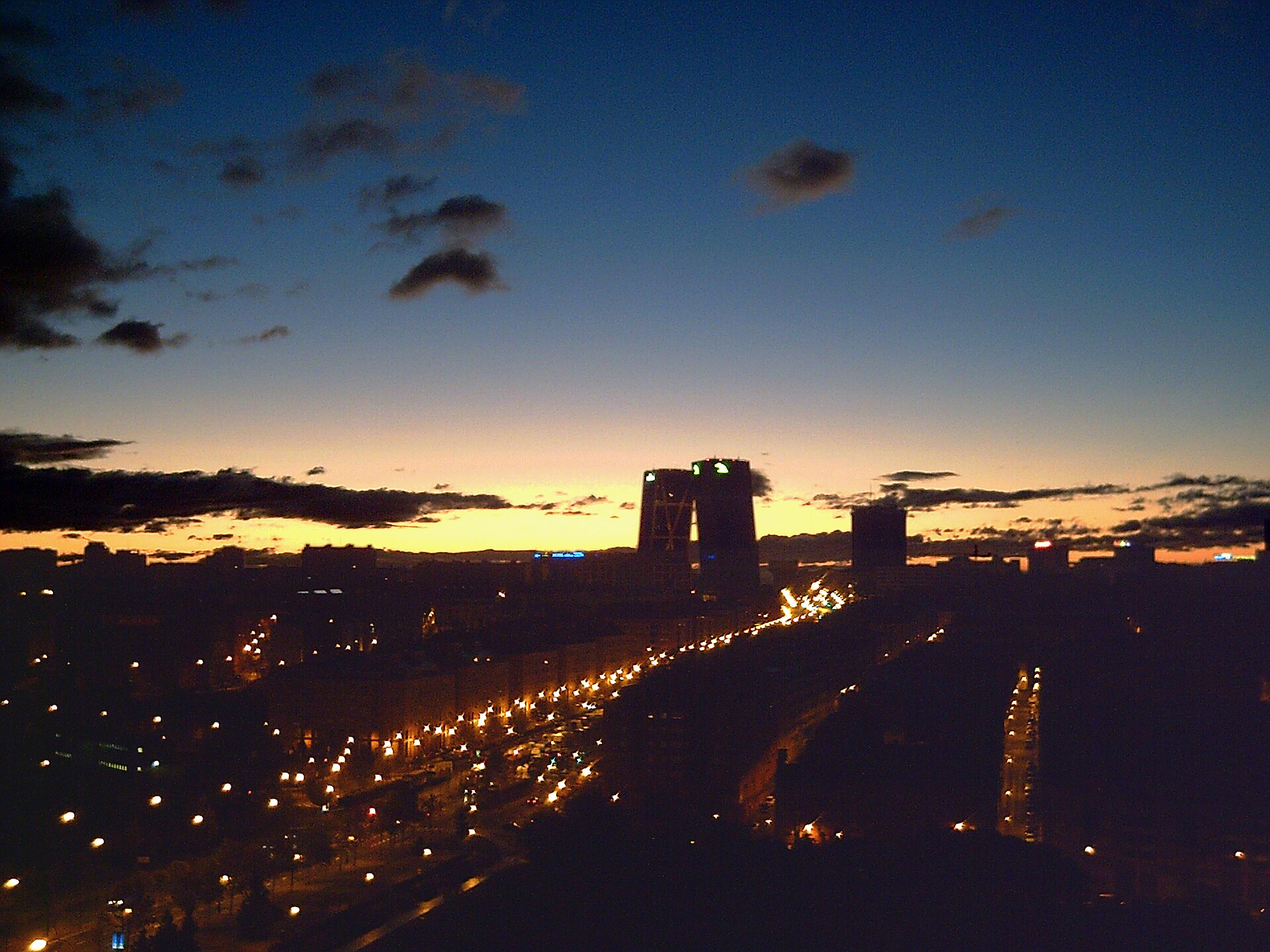
Featured image: Photo by FEDERICO JORDÁ from MADRID, ESPAÑA, source, CC BY 2.0
.jpg)