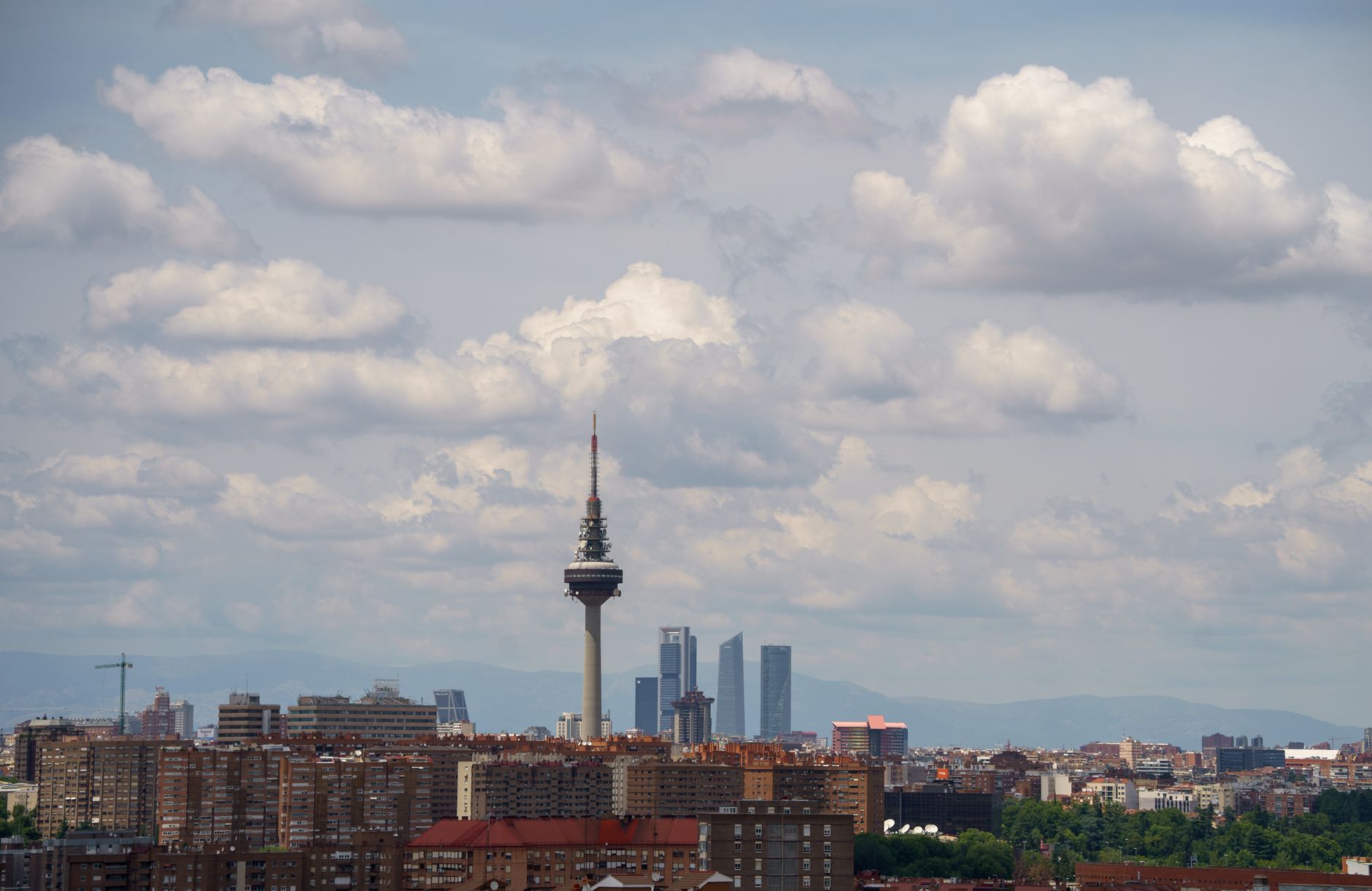
Plan a Madrid day in serious heat by inverting the normal shape of a day: push outdoor sightseeing into early morning and evening, retreat into air-conditioned museums and the metro through the middle hours, and let the city’s own routine — a late lunch, a slow early afternoon, a long evening — carry the weight it’s designed to carry. Madrid isn’t improvising around its summer. It’s built one.
How hot does a Madrid summer day actually get?
Spain’s national meteorological agency, AEMET, records Madrid’s July and August afternoons regularly reaching the mid-to-high 30s Celsius, with spells above 40°C not unusual and officially logged during heatwave episodes in recent summers. Humidity is generally low, which changes how the heat feels but doesn’t reduce its intensity. The climate through the year is markedly seasonal: Madrid’s continental, high-plateau position means big swings between a mild spring and a genuinely severe summer.
What part of the day is actually the problem?
The stretch from roughly early afternoon to early evening is when heat exposure is highest, largely because of direct sun combined with the accumulated warmth of the morning. This is the window the city’s own public health guidance and heat-alert systems focus on, and it’s the one worth building a day plan around rather than fighting.
This site doesn’t give medical or health advice, and heat can be a genuine health risk for some people. Anyone visiting or living in Madrid should check current heat-health guidance from the Comunidad de Madrid’s public health service and their own government’s official travel advice before a serious heatwave, rather than relying on general tips.
Does the city already have a routine built around this?
Yes, and it predates modern tourism by centuries. The idea that Madrid still runs on a literal afternoon siesta is mostly myth for anyone working a normal office day — the fuller picture is set out in Does the Siesta Actually Apply in Madrid? — but the underlying logic hasn’t gone anywhere. Spanish meal times run later than most visitors expect: lunch typically from around 1:30–2:30pm and often lasts well past 3pm, with dinner rarely starting before 9pm. That structure isn’t quaint colour — it’s a working adaptation to exactly the hours that are hardest to spend outdoors.
Where does the heat send you, and is it worth going there anyway?
Madrid’s major museums are air-conditioned, and several extend opening into the evening on specific days, with free entry windows during a set period before closing — a detail covered in full at national museums’ free entry windows explained. The Prado, Reina Sofía and Thyssen-Bornemisza form the so-called Golden Triangle of Art, and using the hottest hours of the day for one of these three is not a compromise — it’s simply the right time to be indoors with a serious collection rather than outside with none.
Smaller institutions work the same way. CaixaForum, the Museo Arqueológico Nacional and the Museo Nacional de Ciencias Naturales are all climate-controlled and generally less crowded midweek than the big three. Confirm current hours directly on the operator’s own site before planning around them — museum hours shift by season and around public holidays, a pattern explained in Typical Opening Hours in Madrid.
What about parks and outdoor green space?
Retiro Park has heavy tree cover in its older sections and a glass-and-iron exhibition pavilion, the Palacio de Cristal, that offers genuine shade rather than open lawn — more on the wider district in What Is the Retiro District, Beyond the Park? Casa de Campo, west of the centre, is far larger and more wooded but has fewer amenities. Madrid Río, the linear park built over the covered M-30 ring road along the Manzanares, is flatter and more exposed but has splash areas that are genuinely used in summer, covered in What Is Arganzuela, and What Is Madrid Río? During officially declared heatwave alerts, the city council has in past summers adjusted watering, opened municipal cooling points, or restricted activity in some public spaces — check the Ayuntamiento de Madrid’s own site for anything currently in force.
Does August change the plan further?
Considerably. What Happens to Madrid in August? describes a city that empties out as residents leave for the coast or their home regions, with many independent restaurants and shops closing for two to four weeks. The upside for a heat-adapted visitor is a genuinely quieter centre, shorter queues at major sites, and a more manageable Gran Vía or Puerta del Sol. The downside is that some neighbourhood businesses simply won’t be open, which matters more for a resident’s daily errands than for a short visit.
How should transport change when it’s this hot?
The Madrid Metro is air-conditioned across virtually all of its rolling stock, and using it deliberately — rather than walking a long surface route between two sights — is a reasonable heat strategy, not a shortcut to be embarrassed about. The metro fare system uses zones and a rechargeable card that works the same whether it’s raining or 40°C outside. EMT buses are also air-conditioned but sit in traffic and expose you to more direct sun while waiting at stops.
Central Madrid is genuinely walkable in mild weather, with most Golden Triangle sights within 20–25 minutes of each other on foot. In serious heat, that same distance is better read as a strong argument for the metro. BiciMAD, the electric bike-share system, is worth avoiding for anything beyond a short hop in the hottest hours — there’s little shade on most routes and no relief from direct sun at speed.
What does a realistic heat-adapted day plan actually look like?
- Early morning (before roughly 11am): outdoor landmarks and open squares — Plaza Mayor, Puerta del Sol, the Royal Palace exterior, a walk through Madrid de los Austrias — before direct sun becomes intense.
- Late morning into early afternoon: move indoors to a major museum, timed to a late, long Spanish lunch rather than an early one.
- Early-to-mid afternoon: a second indoor stop, or genuine downtime, coinciding with the hours the city itself treats as slow.
- Early evening: a shaded park, or one of the free museum entry windows where they apply.
- Night: outdoor Madrid comes back to life after 9pm — this is when terraces fill and streets are genuinely comfortable again.
This shape overlaps closely with how How Does Madrid Handle Summer Heat, Practically? frames the season more broadly, and with the general logic in How Do You Plan Around a Sunday in Madrid?, where much of the city’s rhythm is also set by closing hours rather than by what a visitor might prefer.
Is there anything a resident needs that a visitor doesn’t?
Yes — mainly around routine rather than sightseeing. Anyone living in Madrid through a full summer benefits from understanding how public holidays cluster around this period, how neighbourhood shops adjust their hours in Living in Madrid, and how the wider transport network in Getting Around holds up when a heatwave alert is in effect. None of this is dramatic. It’s mostly a matter of shifting errands to the morning and treating the metro, not the street, as the default way to cross the city in July and August.
Where to check current conditions before deciding anything
For a same-day or next-day forecast, AEMET’s own site gives Madrid-specific readings and any active heat warnings. For museum hours, ticketing and free-entry windows, go to the institution’s own site rather than a secondary source — the Prado’s is authoritative for the Prado, and the same applies across the Museums & Galleries archive. For broader planning around the season generally, When Is the Best Time of Year to Visit Madrid? sets the summer heat pattern against the rest of the calendar.
Access Madrid is an independent guide written from published, checkable sources. We have not visited the places described here and we do not publish personal recommendations or invented ‘local favourites’ — where something is singled out as notable, we say who says so. Opening times, fares, closures and prices change at short notice, so treat everything here as a starting point and confirm with the museum, operator or venue directly before building a day around it. We give no advice on visas, insurance, health or safety; use your own government’s official guidance for those.