What Is in Parque del Retiro? A Complete Guide

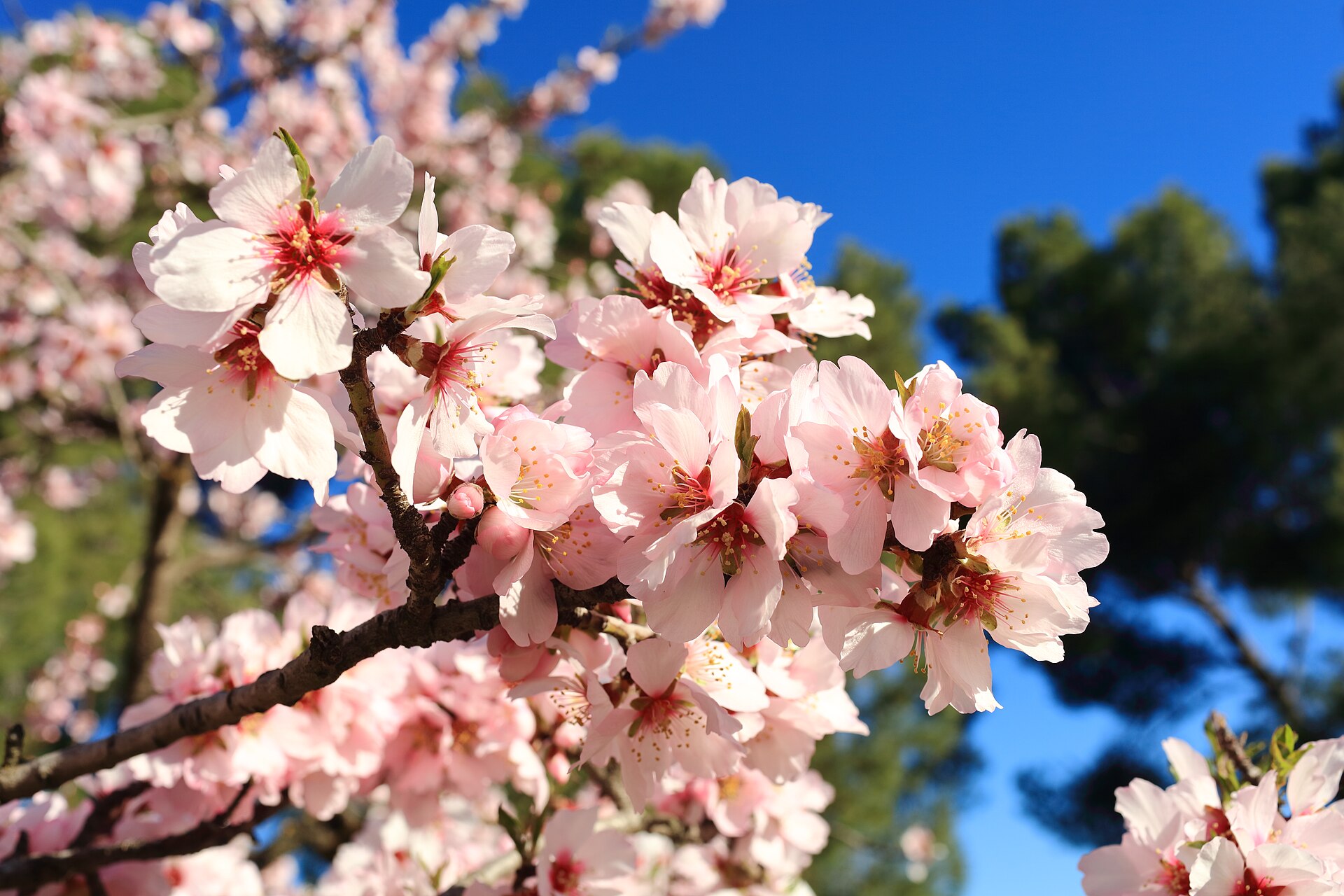
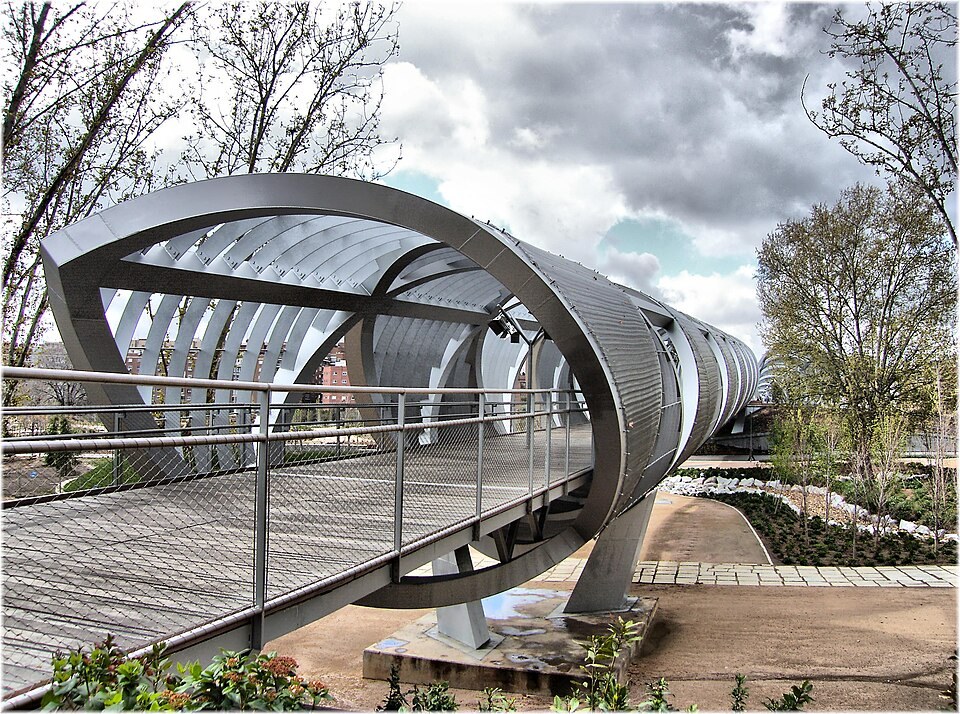
Almendro - Huerto del francés - Parque del Retiro - Madrid 09.jpg — illustrating What Is in Parque del Retiro? A Complete Guide

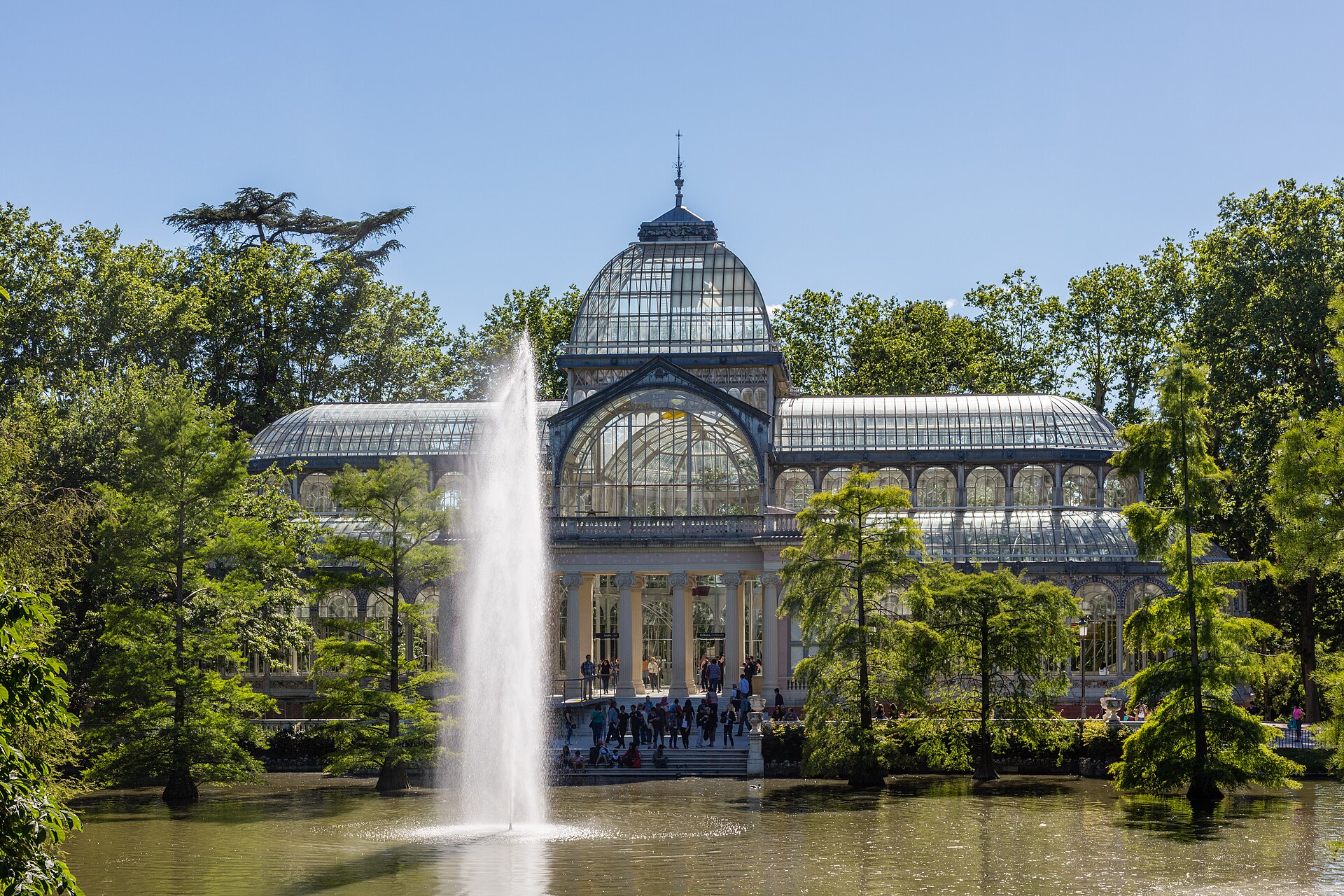
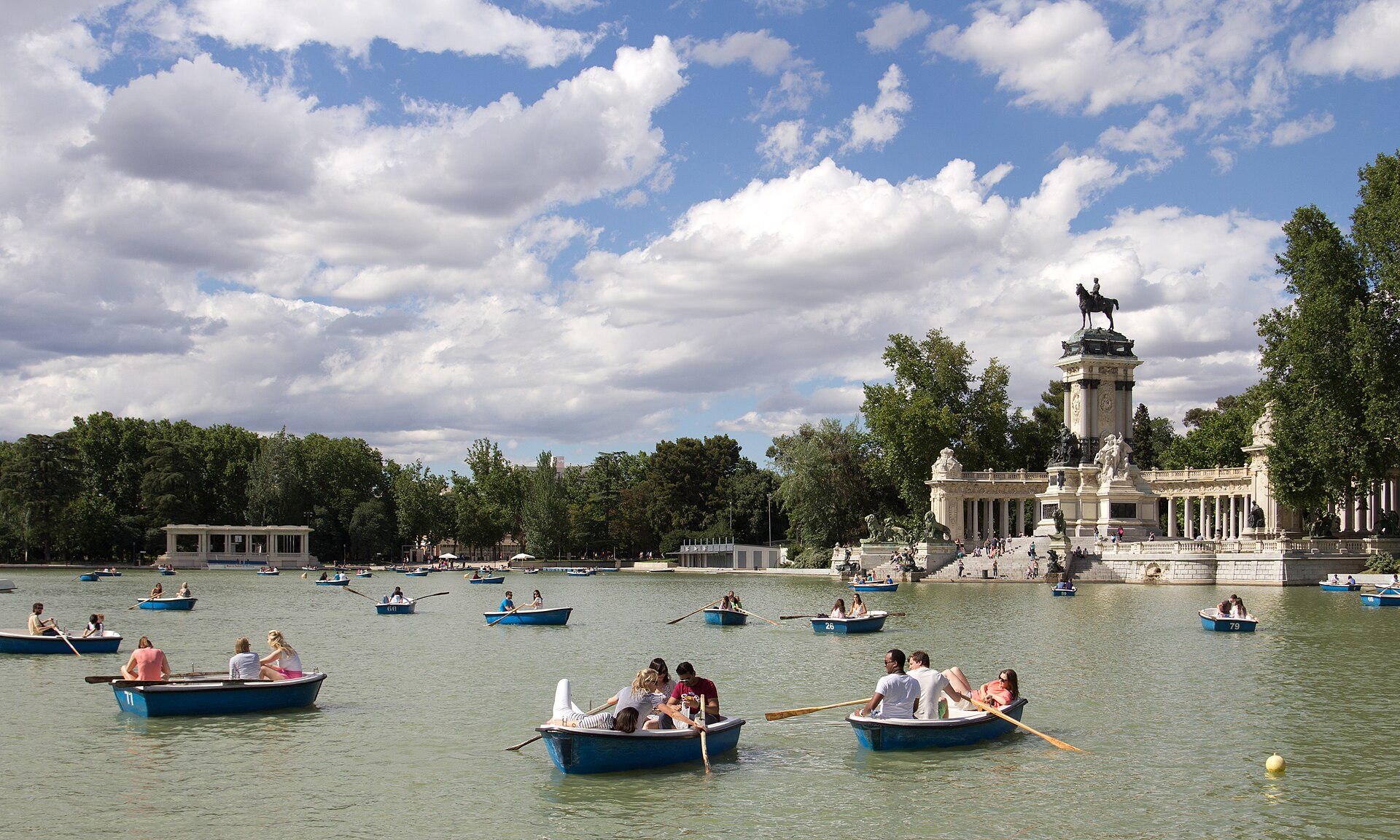
Parque del Retiro is a 125-hectare former royal park in central Madrid holding a lake with rowing boats, a glass exhibition pavilion, a rose garden, a monument to a Spanish king, a 19th-century statue of a fallen angel, and a memorial grove to the victims of the 2004 Madrid train bombings. It sits east of … Read more

Why Is the Bocadillo de Calamares a Madrid Thing?

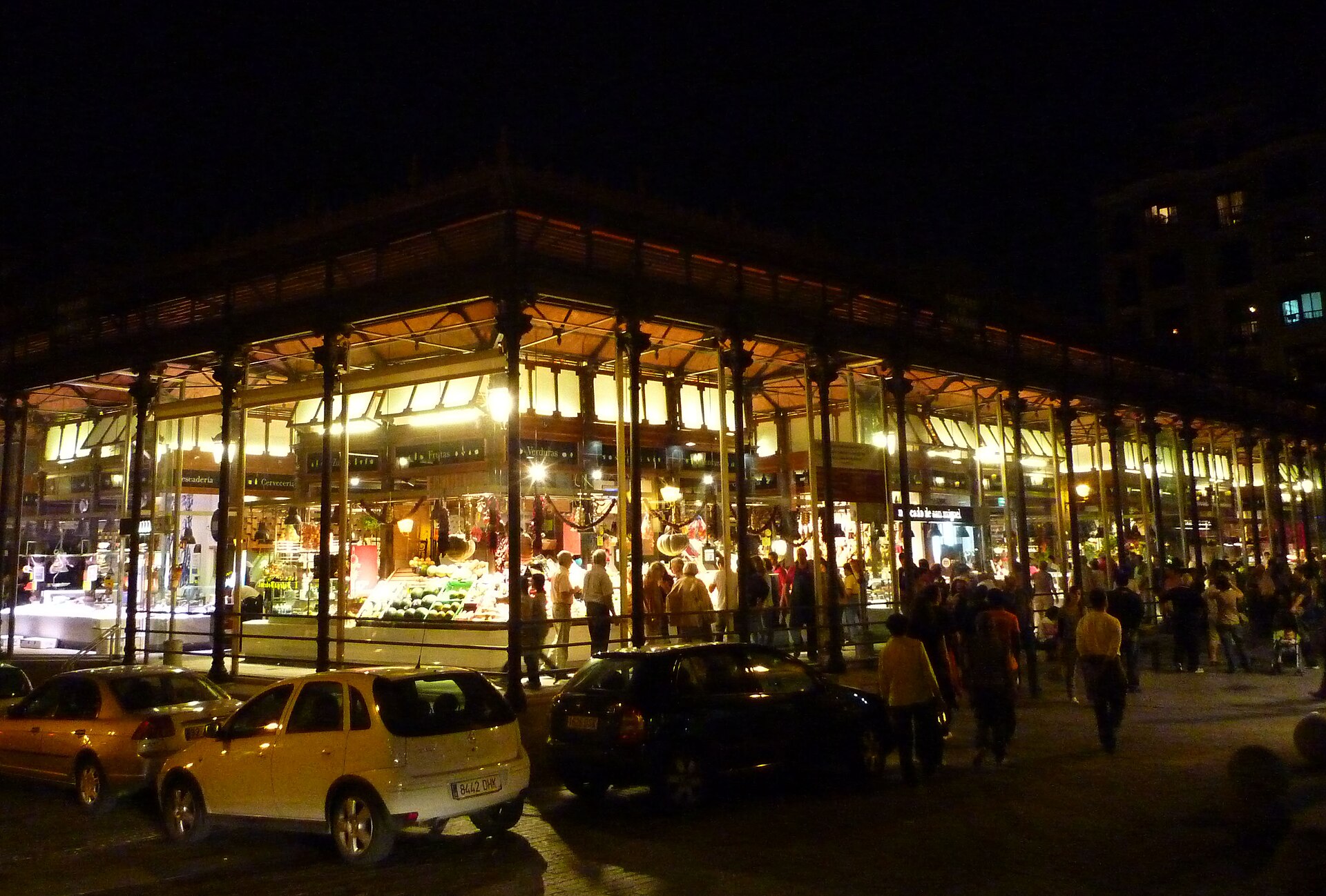
'Mercado de San Miguel' Madrid (15705780859).jpg — illustrating Why Is the Bocadillo de Calamares a Madrid Thing?

The bocadillo de calamares — battered squid rings packed into a baguette roll, usually with nothing else added — is a Madrid thing because two separate local habits collided: a landlocked capital that developed an appetite for fresh seafood earlier than its geography would suggest, and a specific ritual of eating it standing at a … Read more

Madrid’s Michelin Guide: Stars, Bib Gourmand and What They Mean

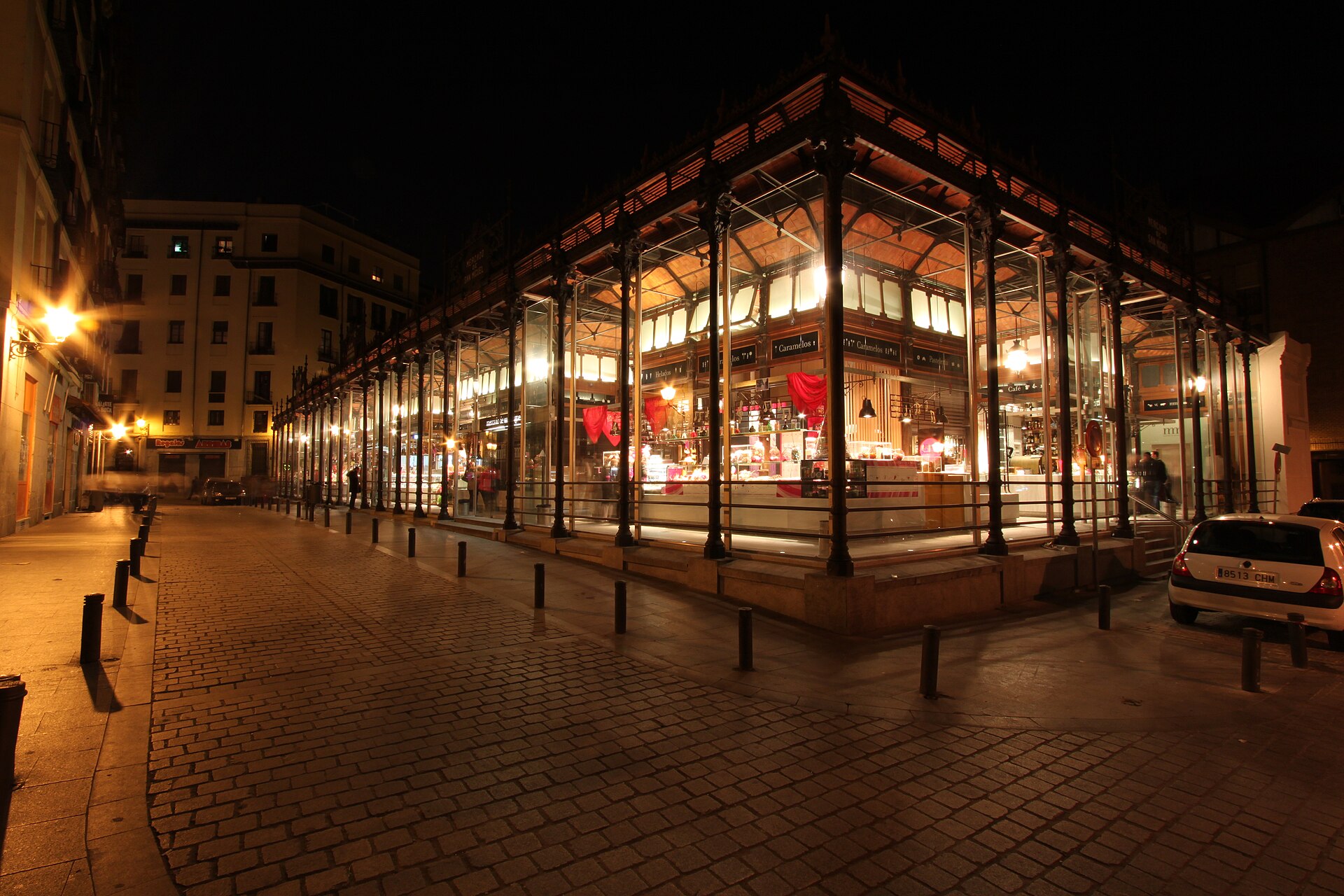
Madrid, Mercado de San Miguel (37907462044).jpg — illustrating Madrid’s Michelin Guide: Stars, Bib Gourmand and What They Mean

Madrid holds a substantial number of Michelin-starred restaurants, several Bib Gourmand listings for good food at moderate prices, and at least one Michelin Green Star for sustainable practice. The exact count moves every year when the guide publishes its update — the structure below explains what each category means and where to check the current … Read more

What Is Vermouth Hour in Madrid? A Clear Guide

Madrid Skyline II.jpg — illustrating What Is Vermouth Hour in Madrid? A Clear Guide

Vermouth hour — la hora del vermú — is the stretch of late morning into early afternoon, most visibly on Sundays, when Madrid drinks vermouth with a small snack before sitting down to lunch. It is not a fixed clock time so much as a social window that closes when lunch starts, usually somewhere between … Read more

What Is the Menú del Día in Madrid? A Clear Guide

Mercado de San Miguel, Madrid MG 5663 (15821620070).jpg — illustrating What Is the Menú del Día in Madrid? A Clear Guide

The menú del día is a fixed-price, multi-course lunch offered by most sit-down restaurants in Madrid on weekdays: usually a starter, a main, bread, a drink and either dessert or coffee, all for one set price that is far below ordering the same dishes à la carte. It exists because of a specific piece of … Read more

What Is a Tapa in Madrid, and Is It Ever Free?

( a plate of tapas in Madrid, Spain behind a glass of Heineken ).jpg — illustrating What Is a Tapa in Madrid, and Is It Ever Free?

A tapa is a small portion of food, usually eaten standing or seated at a bar, ordered alongside a drink rather than as a separate course. In Madrid, a tapa is almost always something you order and pay for. Free tapas exist in the city, but they are the exception, not the rule, and they … Read more

Which Dishes Are Actually Associated With Madrid?

Mercado de San Miguel (Madrid) 01.jpg — illustrating Which Dishes Are Actually Associated With Madrid?

A short list holds up: cocido madrileño (a three-course chickpea and meat stew), callos a la madrileña (tripe in paprika sauce), the bocadillo de calamares (a fried-squid roll), and gallinejas y entresijos (fried lamb offal). Torreznos, soldaditos de pavía and huevos rotos are common tapas in the city but not unique to it. Churros con … Read more

What Is Cocido Madrileño? Madrid’s Signature Stew

Street view of the Metropolis Building and Gran Vía in Madrid on a sunny day. — illustrating What Is Cocido Madrileño? Madrid’s Signature Stew

Cocido madrileño is a boiled chickpea stew, cooked slowly in one pot with several cuts of meat, sausage and vegetables, then split into separate courses at the table. It is Madrid’s most identifiable traditional dish — a working meal built for cold months, still served across the city in winter. What is cocido madrileño, exactly? … Read more

About what you read here. Access Madrid is an independent guide written from published, checkable sources — museum and transport operators’ own information, official city and tourism data, and the public record. We have not visited the places we write about, and we do not publish personal recommendations or invented “local favourites”. Where we point to something notable we say who says so.

Opening times, fares, closures and prices change, often at short notice. Everything here is a starting point, not a booking confirmation — always check the venue’s or operator’s own site before you build a day around it. We are not a travel agency and we give no advice on visas, insurance, health or safety requirements; for those, use your own government’s official guidance.