What Is Madrid de los Austrias? Habsburg Madrid Explained
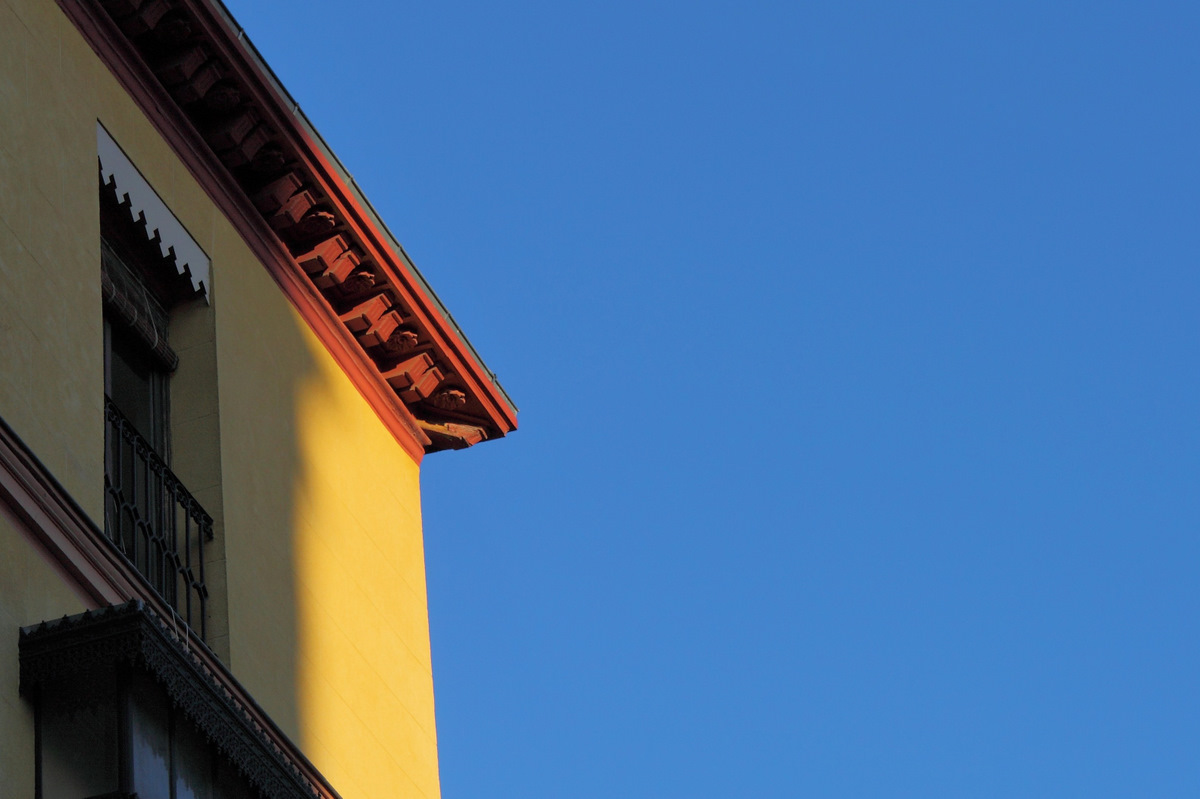
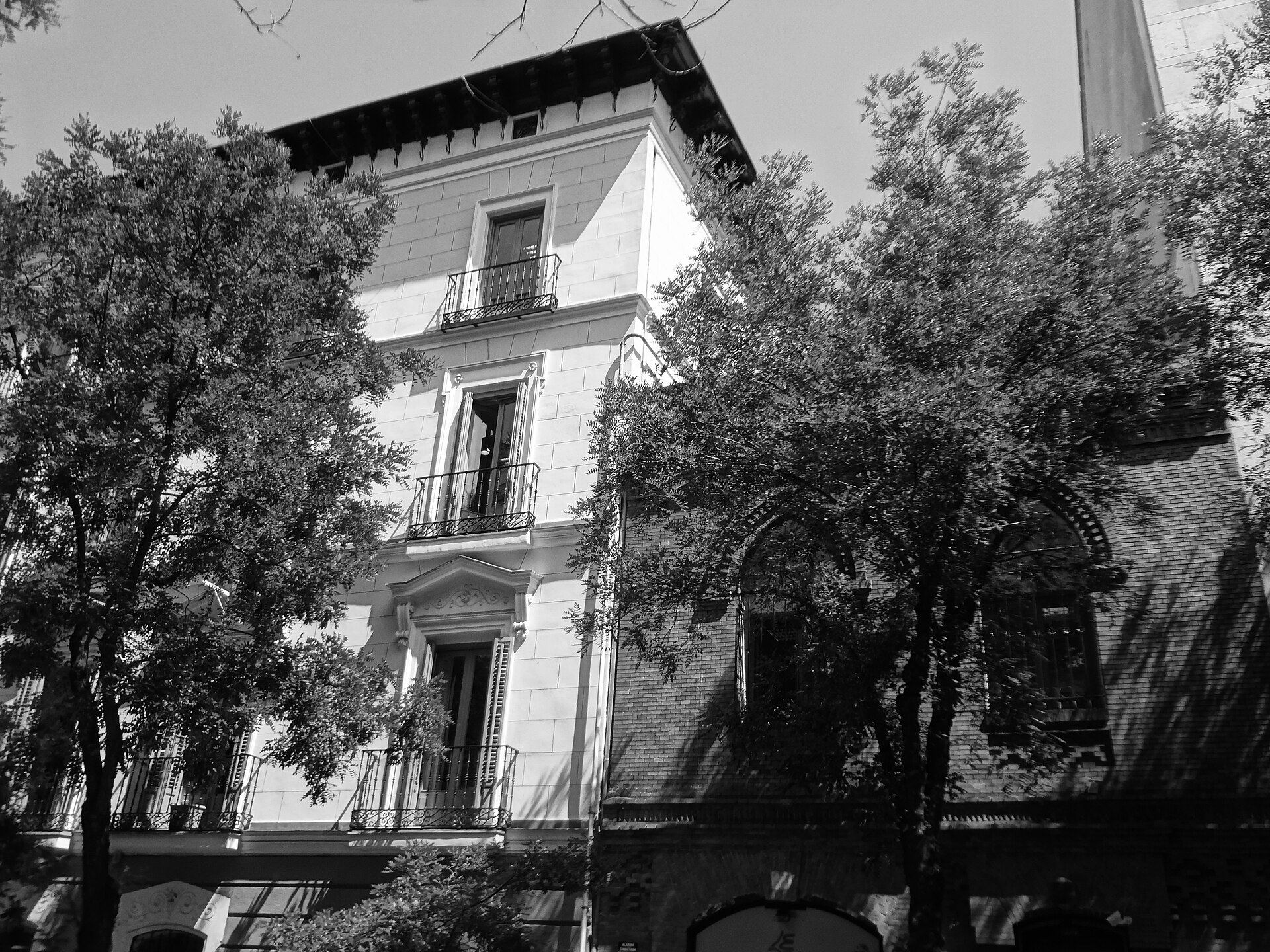
A house in the Los Austrias quarter of Madrid

Madrid de los Austrias — “Habsburg Madrid” — is not an administrative district but a name for the oldest surviving core of the city, built up while the Spanish Habsburgs (called los Austrias in Spanish) ruled from Madrid between 1561 and 1700. It covers roughly the area around Plaza Mayor, Plaza de la Villa, and … Read more

What Is the Barrio de las Letras, and Who Lived There?

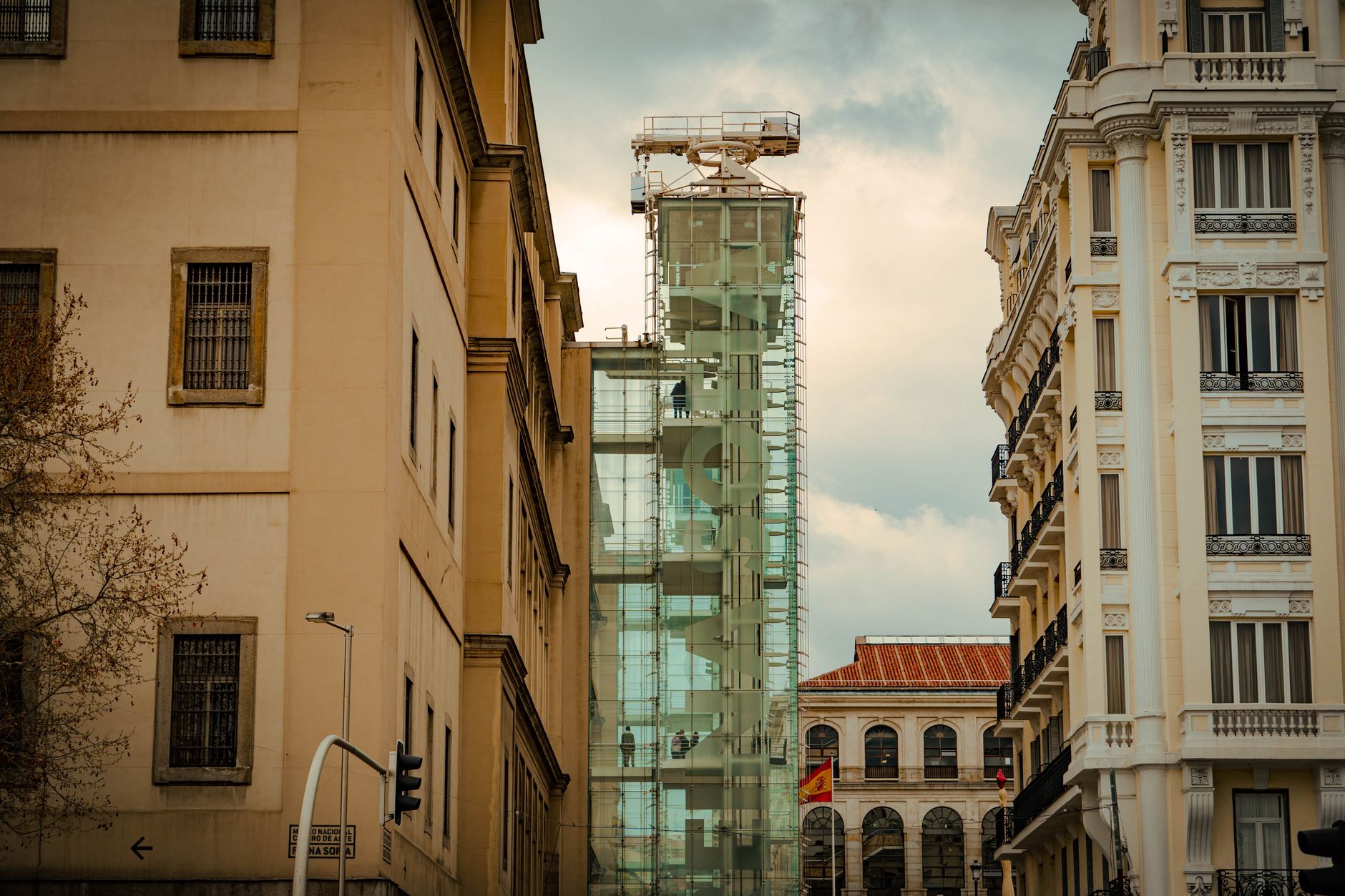
View of modern and classic architecture in central Madrid, Spain

The Barrio de las Letras is a small district in central Madrid, roughly bounded by the Carrera de San Jerónimo, the Paseo del Prado, Calle de Atocha and Plaza de Santa Ana. It takes its name from the writers of Spain’s Golden Age — Miguel de Cervantes, Lope de Vega, Francisco de Quevedo and Luis … Read more

What Is Chamberí, and What Is the Ghost Station Beneath It?

WV banner Madrid Chamberí Plaza de Juan Zorrilla

Chamberí is a district in central-north Madrid, built up mostly in the 19th and early 20th centuries for civil servants, professionals and the military. Beneath its main square, Plaza de Chamberí, sits a metro station that opened in 1919, closed in 1966, and now survives intact as a small free museum called Andén 0 — … Read more

What Is the Barrio de Salamanca, and Why Its Grid?

Black and white view of the Barrio de Salamanca in Madrid

The Barrio de Salamanca is a 19th-century district east of Retiro park, built from the 1860s onward as a planned extension to a Madrid that had outgrown its old walls. It was laid out on a strict grid by private developers under a royal-authorised city plan, which is why its streets run straight and its … Read more

What Is Chueca, and How Did It Become What It Is?

Revellers filling the streets of Chueca during Madrid Pride 2024

Chueca is a small neighbourhood in central Madrid, part of the Centro district, built around a square called Plaza de Chueca. It is Madrid’s best-known LGBTQ+ district, a status it acquired from the late 1980s onward, and it hosts much of the city’s Pride celebration each summer. Before that, it was simply a dense, working-class … Read more

What Is Malasaña, and Where Does the Name Come From?

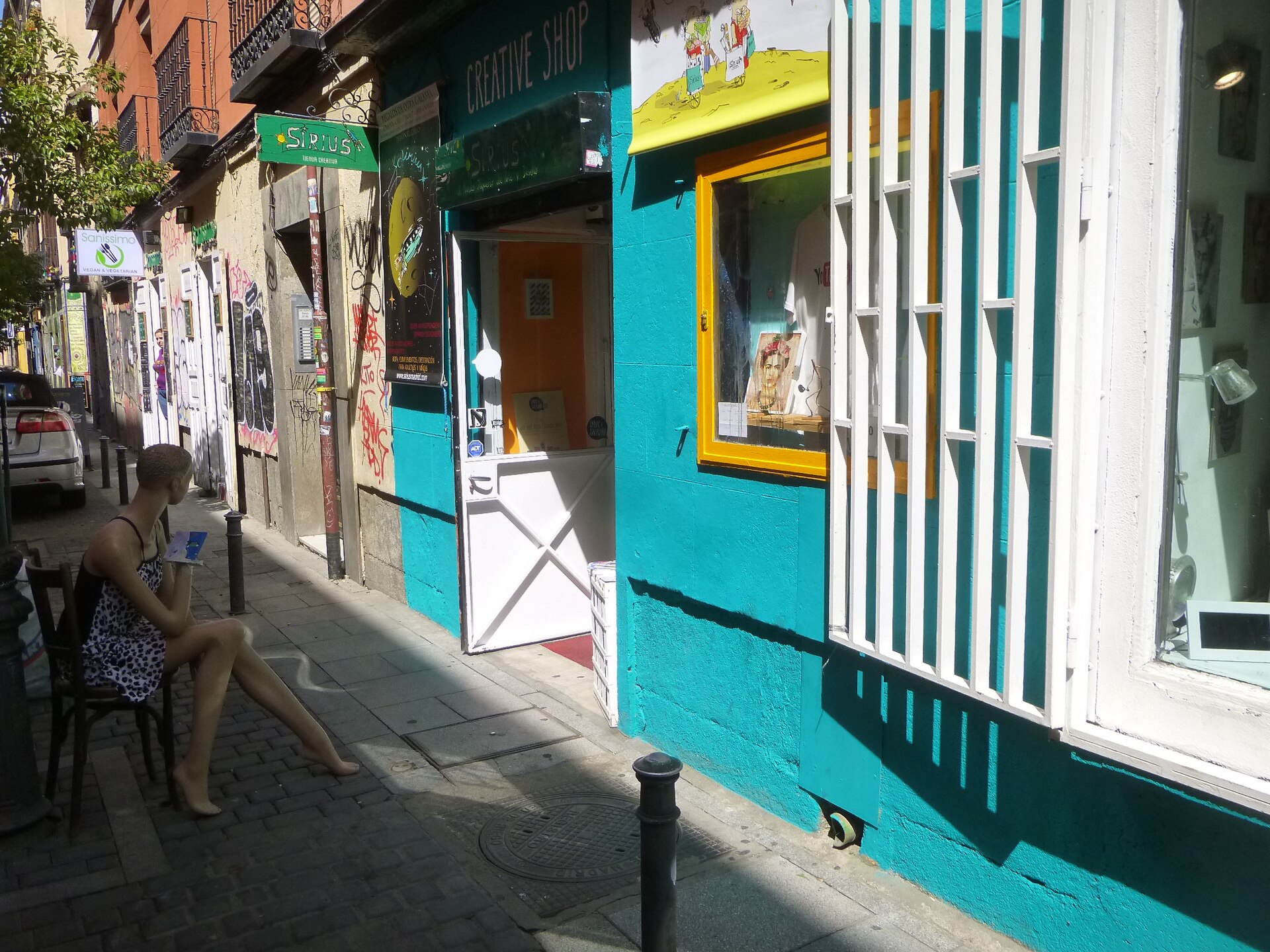
A corner in the Malasaña neighbourhood of Madrid

Malasaña is a district in central Madrid, part of the Universidad ward within the Centro district, sitting north of Gran Vía. The name comes from Manuela Malasaña, a young woman traditionally said to have been killed there during the anti-French uprising of 2 May 1808, an event the area still commemorates in its central square. … Read more

What Is Lavapiés, and What Is Its History? Madrid Explained

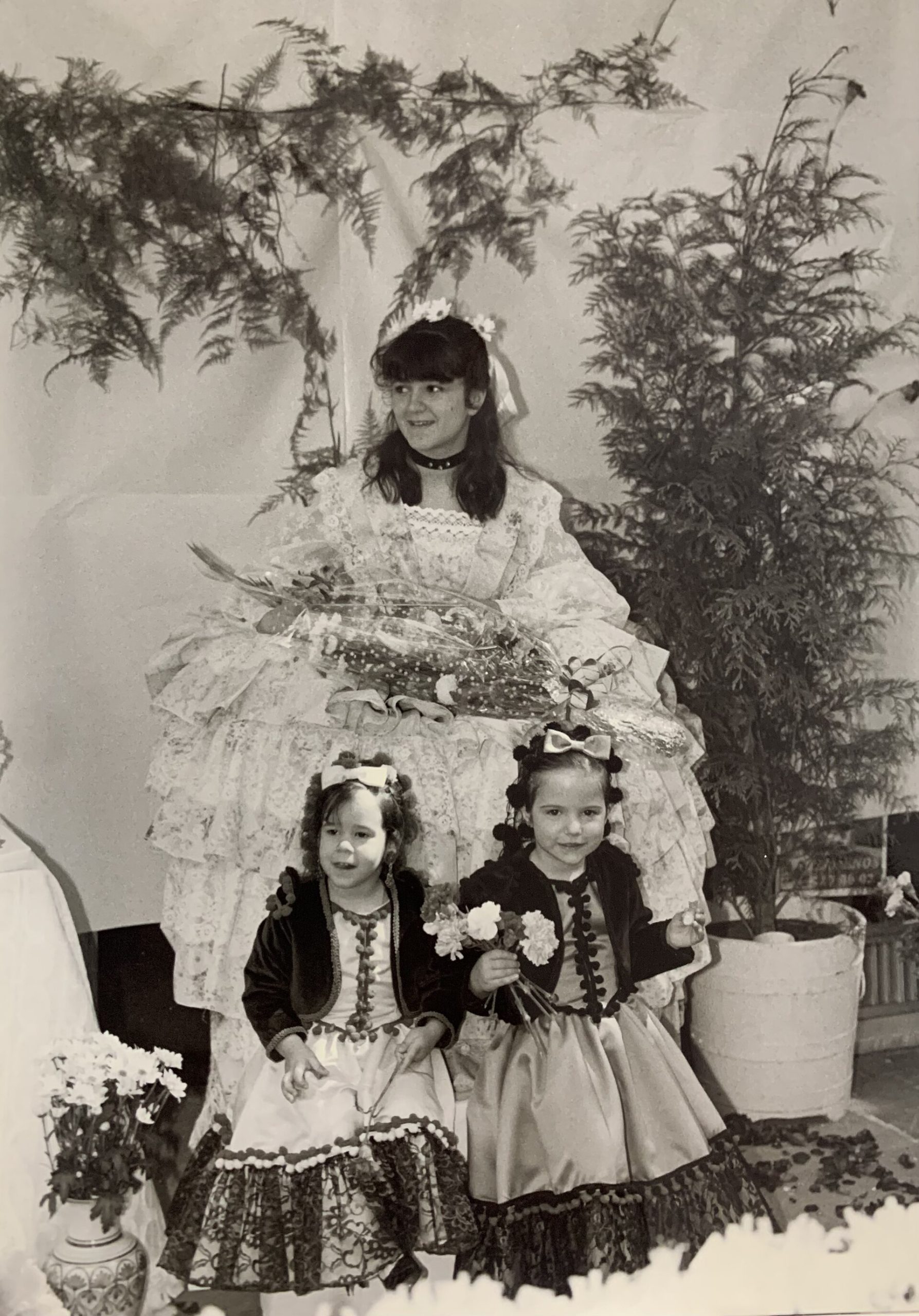
Original photograph of Las Mayas celebrations in Lavapiés, Madrid

Lavapiés is a barrio (neighbourhood) in the Centro district of Madrid, just south of Sol and east of La Latina. It grew up outside the city’s old walls as a working-class quarter with roots in a medieval Jewish community, later filled with dense 19th-century tenement housing, and has been Madrid’s principal immigrant-receiving district since the … Read more

What Is La Latina? Madrid’s Old Quarter Explained

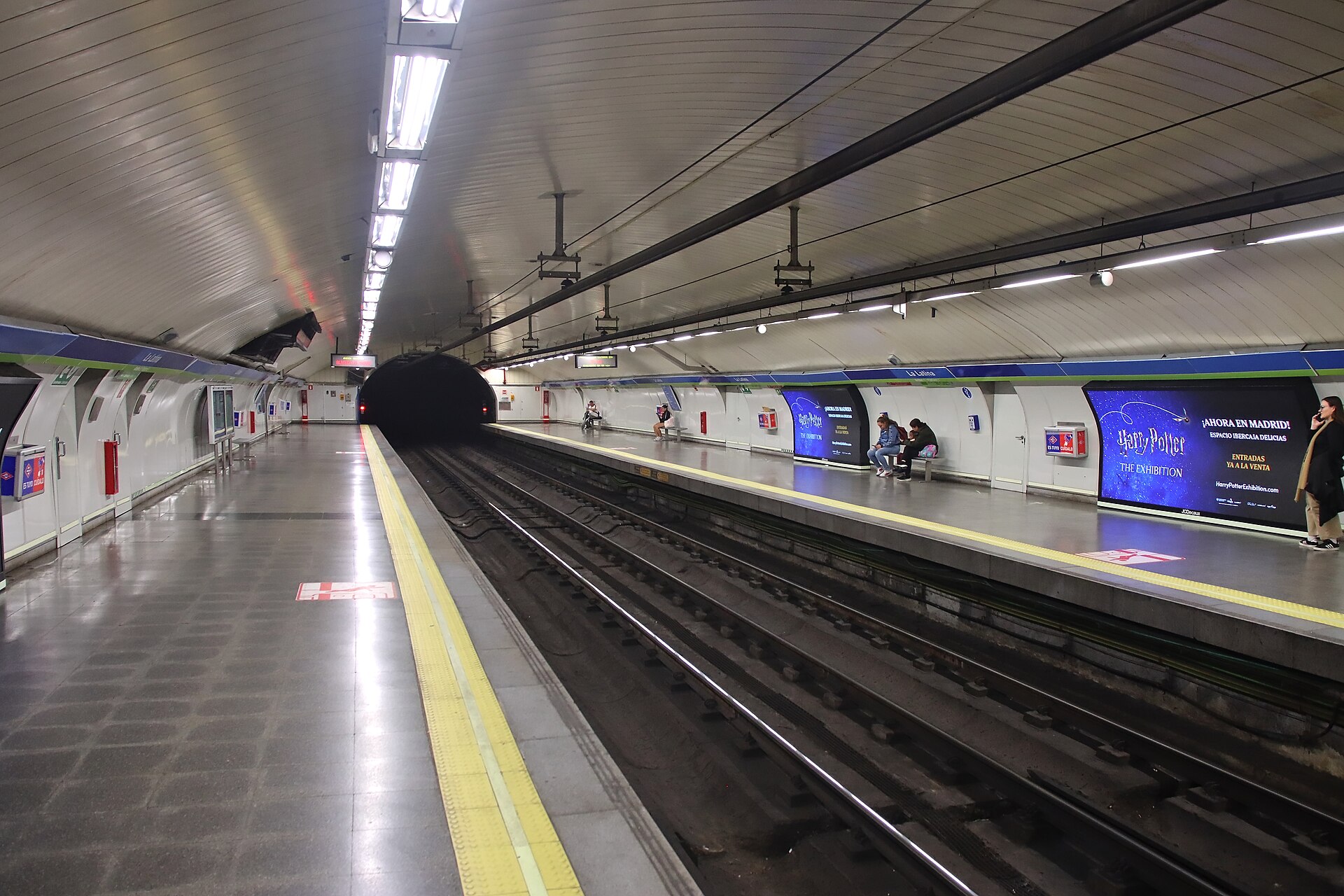
La Latina metro station in Madrid

La Latina is one of the six barrios that make up Madrid’s central district, distrito Centro, sitting just south and west of Plaza Mayor on the slope that drops toward the Manzanares river. It takes its name from Beatriz Galindo, a scholar known as “La Latina,” and its layout still follows the medieval street plan … Read more

What Is the Faro de Moncloa? Madrid’s Observation Tower

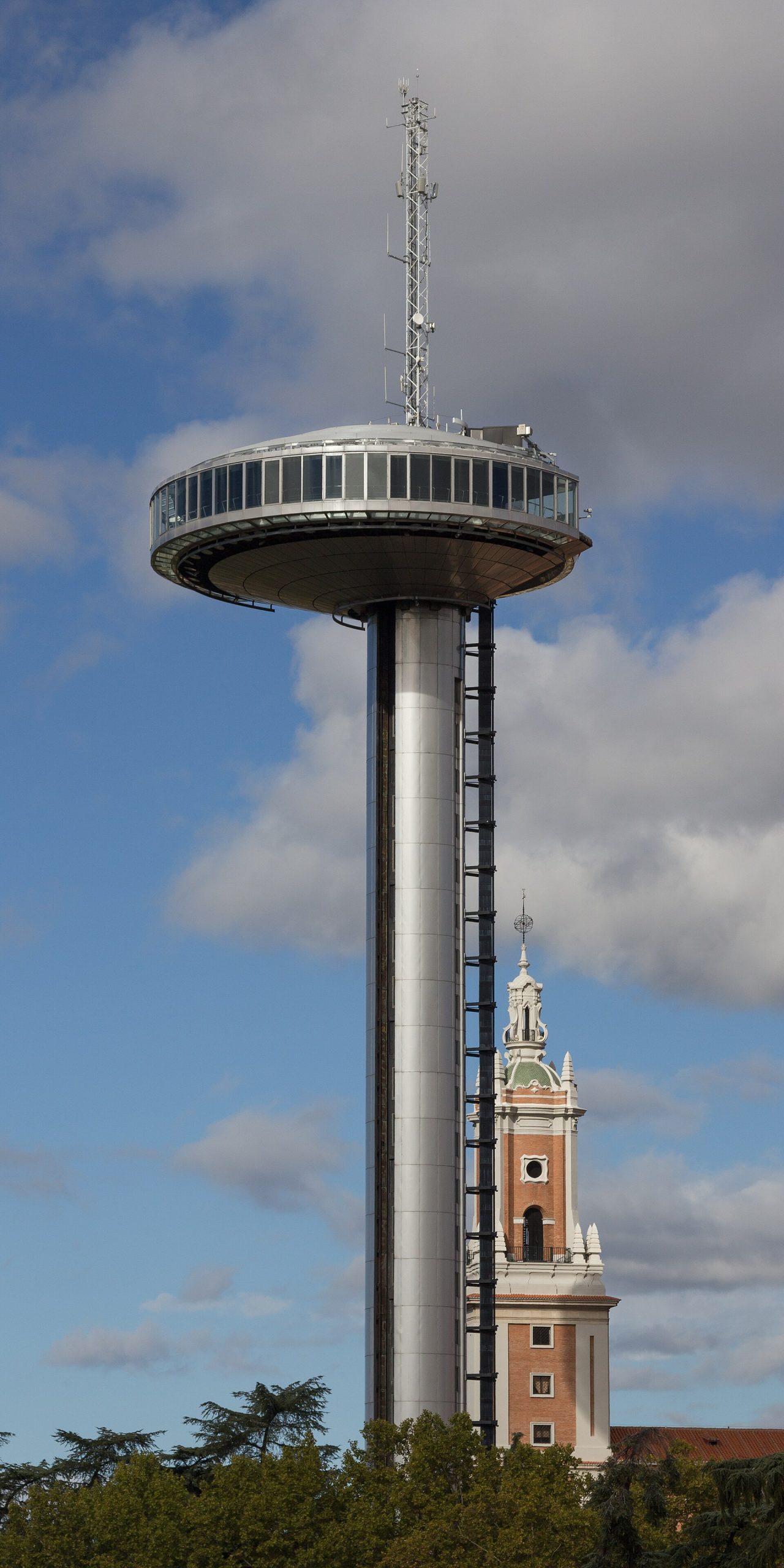
The Faro de Moncloa, Madrid's observation tower

The Faro de Moncloa is a purpose-built observation tower on the edge of central Madrid, next to the Moncloa transport interchange. A lift carries visitors up to a glassed platform roughly 90 metres above street level, from which the city spreads out in every direction, with the Sierra de Guadarrama visible on clear days to … Read more

About what you read here. Access Madrid is an independent guide written from published, checkable sources — museum and transport operators’ own information, official city and tourism data, and the public record. We have not visited the places we write about, and we do not publish personal recommendations or invented “local favourites”. Where we point to something notable we say who says so.

Opening times, fares, closures and prices change, often at short notice. Everything here is a starting point, not a booking confirmation — always check the venue’s or operator’s own site before you build a day around it. We are not a travel agency and we give no advice on visas, insurance, health or safety requirements; for those, use your own government’s official guidance.