What Is Plaza Mayor in Madrid, and Why Was It Built?

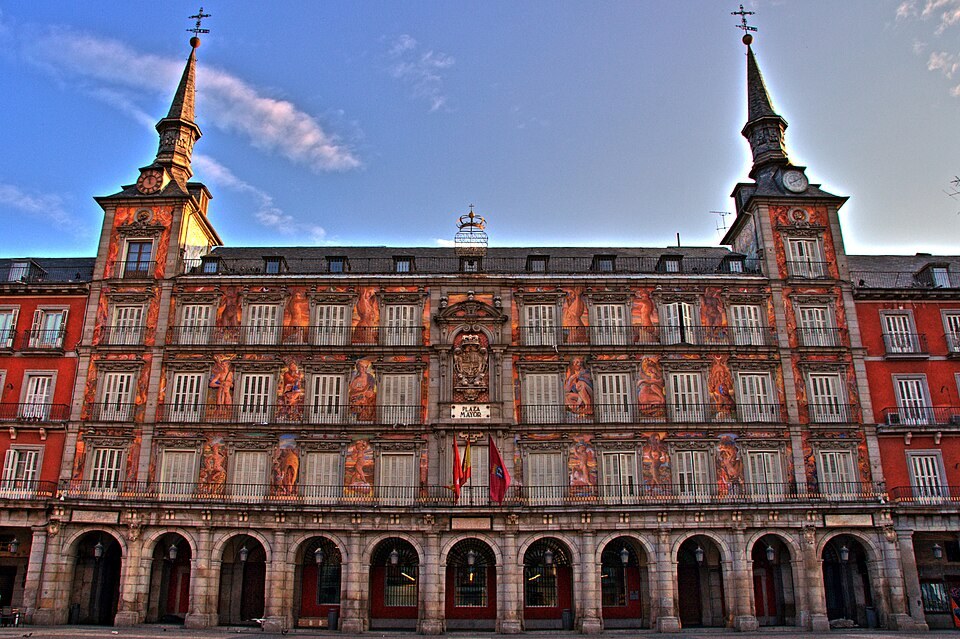
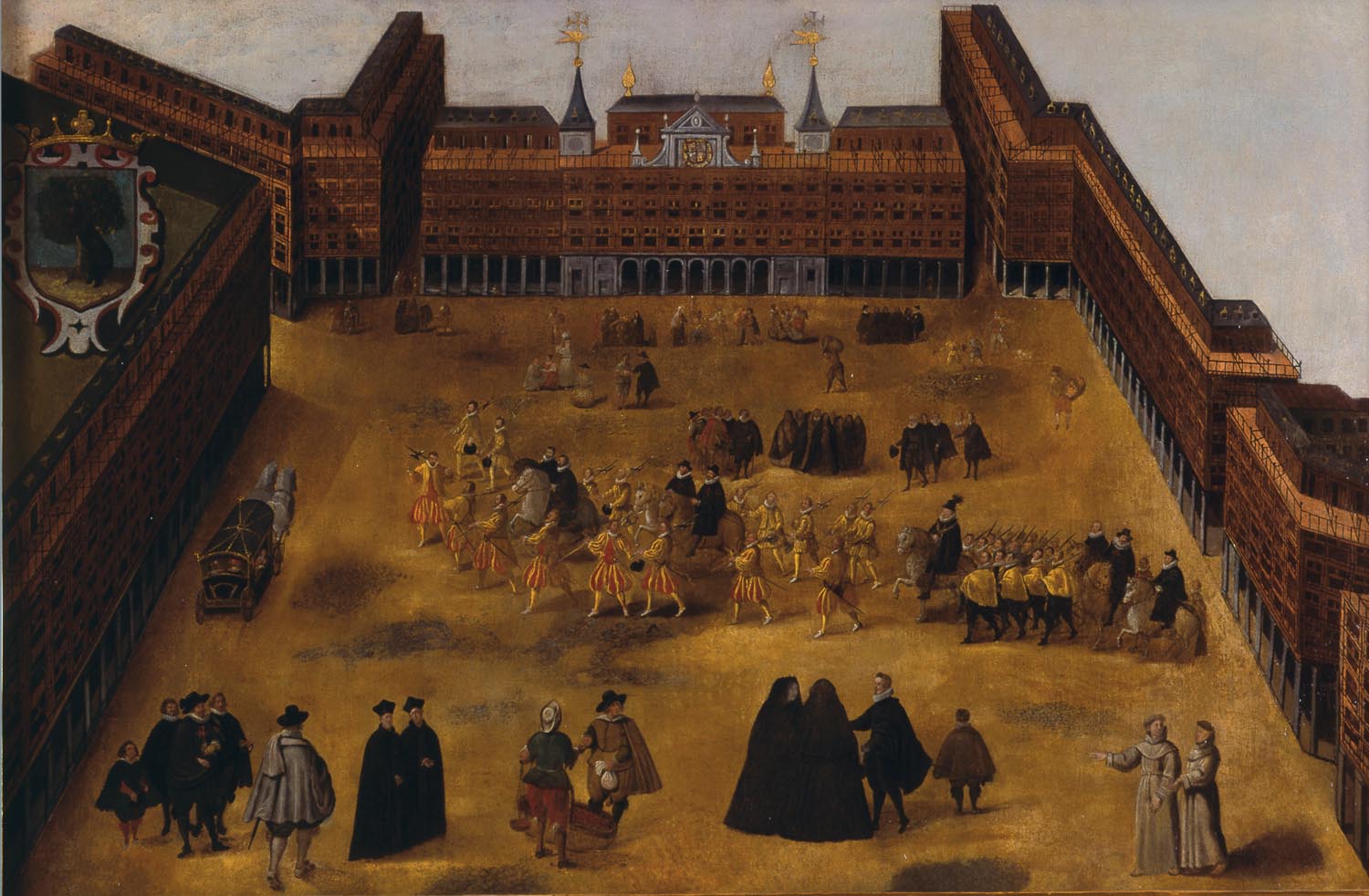
A bustling scene at Plaza Mayor in Madrid featuring the Philip III equestrian statue. — illustrating What Is Plaza Mayor in Madrid, and Why Was It Built?

What is Plaza Mayor? Plaza Mayor is a large rectangular square in the historic centre of Madrid, enclosed on all four sides by uniform arcaded buildings. It was built in the early 17th century, under King Philip III, as a formal public space for markets, royal ceremony, bullfights and public spectacle — a controlled, enclosed … Read more

What Is the Real Fábrica de Tapices in Madrid?

Vibrant view of Plaza Mayor in Madrid with historical architecture and bustling tourists. — illustrating What Is the Real Fábrica de Tapices in Madrid?

The Real Fábrica de Tapices is Madrid’s royal tapestry workshop, founded in 1721 to supply the Spanish crown with woven hangings. It is not a museum in the usual sense: it is a working factory, still weaving and restoring tapestries on traditional looms, on a site near Atocha where it has operated for most of … Read more

What Is the Museo de Historia de Madrid?

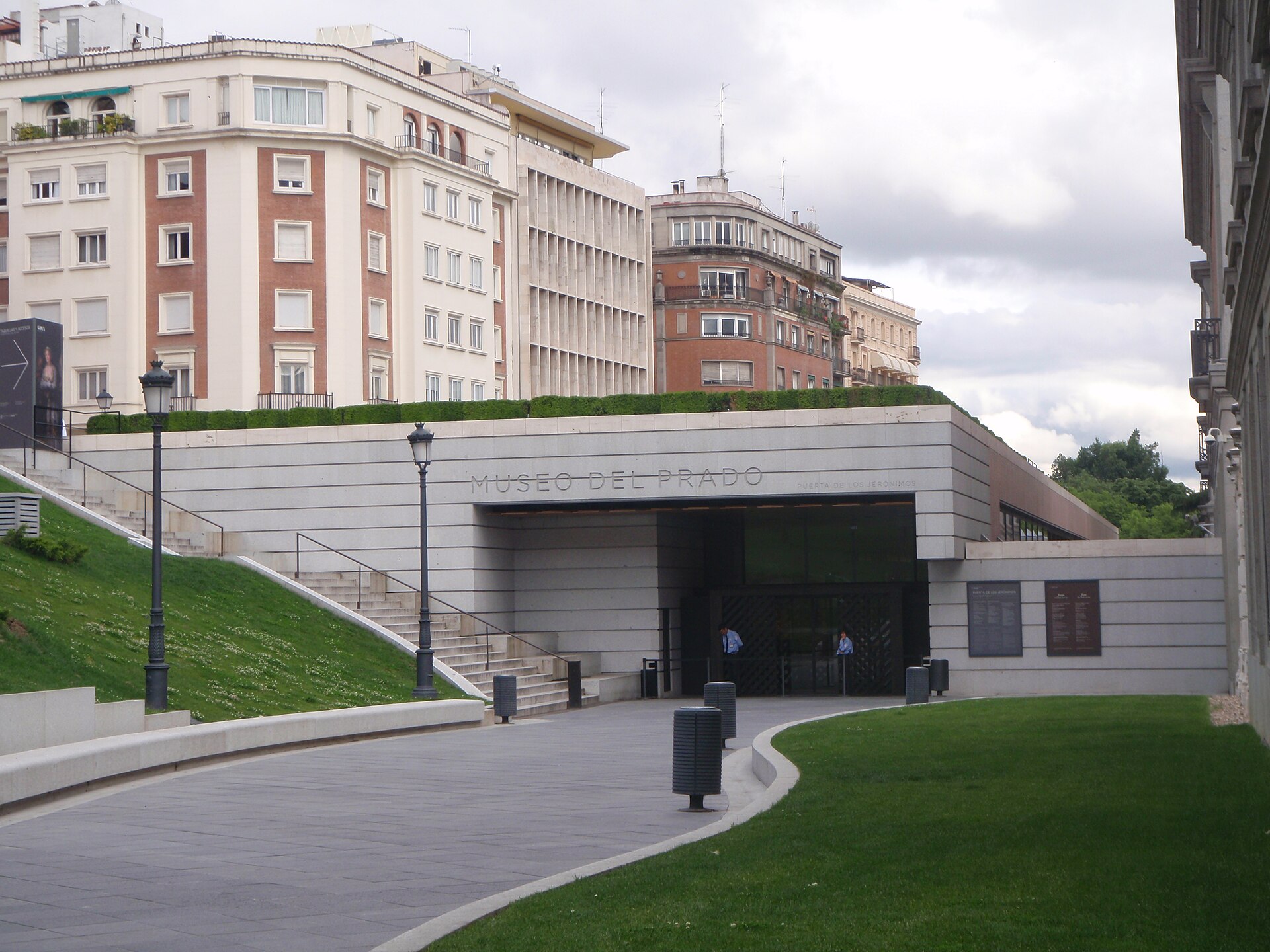
Prado Museum's iconic facade under clear blue skies in Madrid, Spain. — illustrating What Is the Museo de Historia de Madrid?

What is the Museo de Historia de Madrid? The Museo de Historia de Madrid is the city’s own museum of itself — a municipal collection tracing Madrid from a minor Muslim-era settlement to the capital of Spain, told through paintings, maps, models, ceramics and everyday objects. It occupies a former 18th-century hospice on Calle Fuencarral … Read more

What Is the Museo del Romanticismo in Madrid?

Prado Museum's iconic facade under clear blue skies in Madrid, Spain. — illustrating What Is the Museo del Romanticismo in Madrid?

The Museo del Romanticismo is a state-run museum in central Madrid dedicated to Spanish Romanticism, roughly the first two-thirds of the 19th century. It occupies a former aristocratic townhouse and displays furniture, paintings, clothing and domestic objects arranged as period rooms, showing how a well-off Madrid household of that era actually looked and lived. Where … Read more

What Is Matadero Madrid, and What Was It Built For?

A person relaxing outside Matadero, an arts center in Madrid, Spain. — illustrating What Is Matadero Madrid, and What Was It Built For?

Matadero Madrid is a cultural centre in the Arganzuela district, built on the site of the city’s former municipal slaughterhouse and livestock market. The complex was constructed in the early twentieth century to process the meat supply for a growing capital, functioned as an abattoir into the late twentieth century, and was converted by Madrid’s … Read more

What Is the Museo Nacional de Ciencias Naturales?

Prado Museum's iconic facade under clear blue skies in Madrid, Spain. — illustrating What Is the Museo Nacional de Ciencias Naturales?

The Museo Nacional de Ciencias Naturales (National Museum of Natural Sciences) is Spain’s national museum of natural history, holding collections in zoology, geology, palaeontology and mineralogy. It is run by the CSIC — the Consejo Superior de Investigaciones Científicas, Spain’s national research council — which makes it a working research institution as much as a … Read more

What Is the Museo del Traje in Madrid?

Prado Museum's iconic facade under clear blue skies in Madrid, Spain. — illustrating What Is the Museo del Traje in Madrid?

The Museo del Traje is Spain’s national museum of clothing and textile history, holding a collection of garments, accessories and fabric that runs from the sixteenth century to contemporary fashion. It sits in a purpose-built modern building near Ciudad Universitaria in Madrid and is run as one of the state’s national museums, under the Ministry … Read more

What Is CaixaForum Madrid, and What Was the Building?

Borrasca Filomena CaixaForum Madrid.jpg — illustrating What Is CaixaForum Madrid, and What Was the Building?

What is CaixaForum Madrid? CaixaForum Madrid is a cultural centre run by Fundación “la Caixa,” the philanthropic and cultural foundation linked to the Spanish bank CaixaBank. It has no permanent collection of its own on display. Instead it hosts temporary exhibitions, concerts, talks and workshops, in a building on Paseo del Prado that was originally … Read more

About what you read here. Access Madrid is an independent guide written from published, checkable sources — museum and transport operators’ own information, official city and tourism data, and the public record. We have not visited the places we write about, and we do not publish personal recommendations or invented “local favourites”. Where we point to something notable we say who says so.

Opening times, fares, closures and prices change, often at short notice. Everything here is a starting point, not a booking confirmation — always check the venue’s or operator’s own site before you build a day around it. We are not a travel agency and we give no advice on visas, insurance, health or safety requirements; for those, use your own government’s official guidance.