What Is the Museo Lázaro Galdiano in Madrid?

View of Plaza Mayor in Madrid with historical architecture, cobblestones, and tourists. — illustrating What Is the Museo Lázaro Galdiano in Madrid?

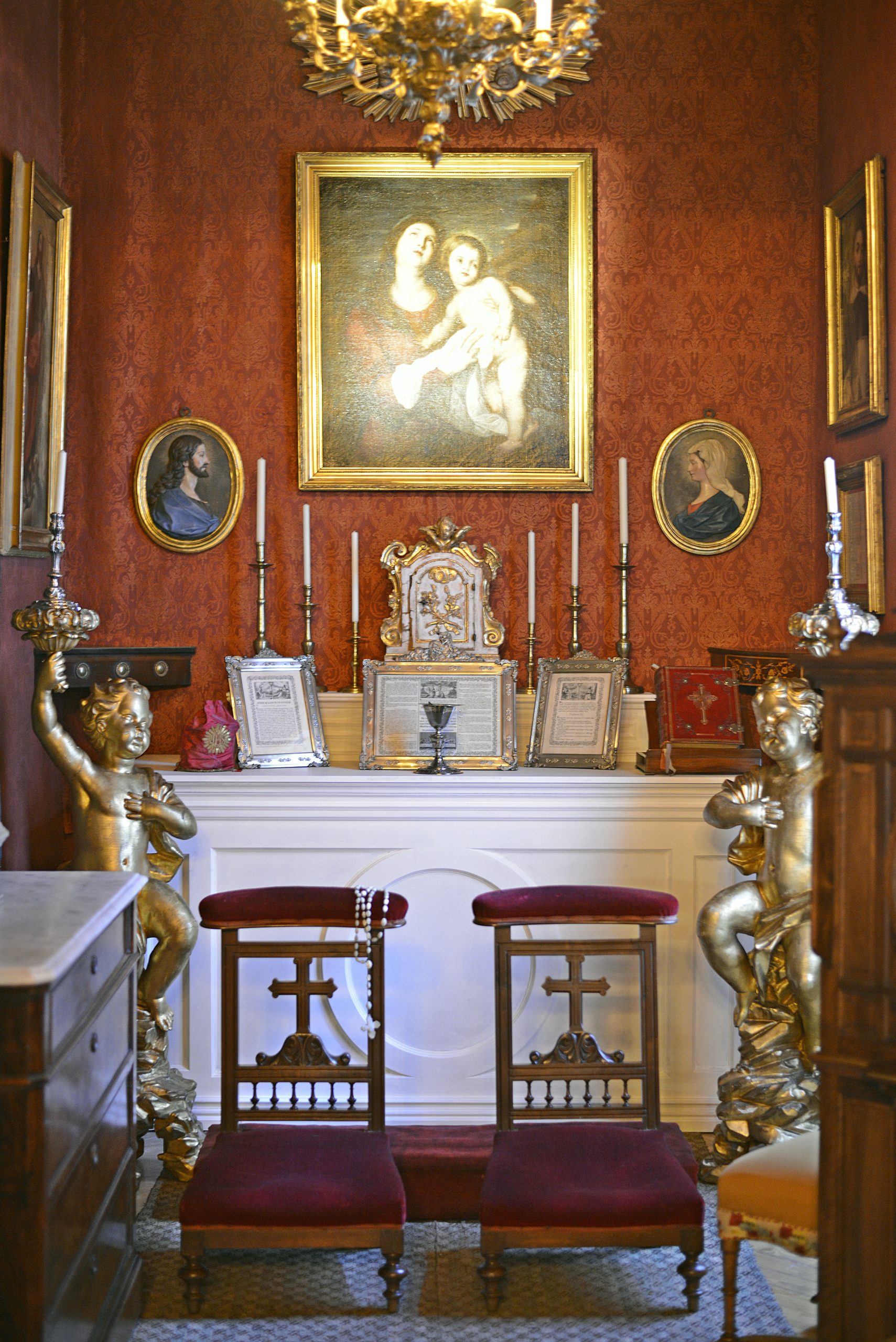
The Museo Lázaro Galdiano is a house-museum in Madrid’s Salamanca district built around the private collection of José Lázaro Galdiano, a lawyer, publisher and collector who left his mansion and everything in it to the Spanish state on his death in 1947. It holds paintings, jewelry, arms, and decorative arts across four floors of his … Read more

What Is the Museo Cerralbo, Madrid’s House-Museum?

Museo Cerralbo 01.jpg — illustrating What Is the Museo Cerralbo, Madrid’s House-Museum?

What is the Museo Cerralbo? The Museo Cerralbo is a state-run museum in Madrid occupying the former private residence of Enrique de Aguilera y Gamboa, 17th Marqués de Cerralbo (1845–1922). He willed the house and its entire contents to the Spanish state on the condition it remain exactly as he had arranged it, so the … Read more

What Is the Museo Arqueológico Nacional, and What Does It Hold?

Cérvido fósil "Dama celiae". Museo Arqueológico Nacional (España). Spain.jpg — illustrating What Is the Museo Arqueológico Nacional, and What Does It Hold?

The Museo Arqueológico Nacional (National Archaeological Museum) is Spain’s state museum of archaeology and applied arts, tracing the peninsula’s material history from prehistory through the medieval period. It holds objects rather than paintings — pottery, jewellery, coins, mosaics, sculpture — organised broadly in chronological order across several floors on Calle de Serrano in Madrid. What … Read more

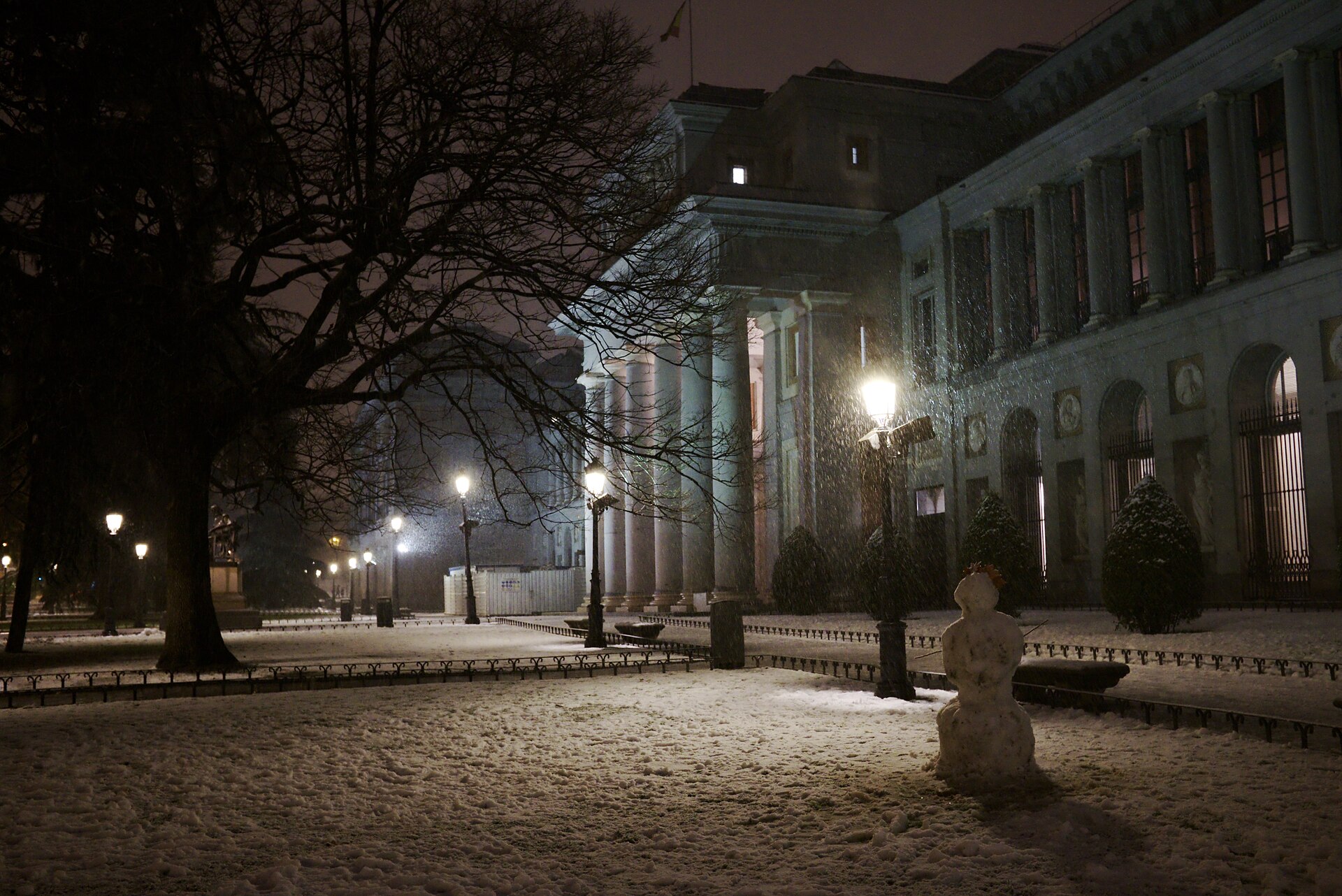
How Much of the Prado Can You See in One Visit?

Equestrian statue of King Felipe III at Plaza Mayor during daytime in Madrid, Spain. — illustrating How Much of the Prado Can You See in One Visit?

A realistic single visit covers two or three of the Prado’s core rooms in real depth — Velázquez, Goya, and one of the Flemish or Italian galleries — plus a fast pass through the rest. Seeing the entire building attentively in one day is not possible; the collection is simply too large for that. How … Read more

Why Do So Many Madrid Museums Close on Mondays?

A lively scene at Plaza Mayor, Madrid, featuring historic architecture and a statue. — illustrating Why Do So Many Madrid Museums Close on Mondays?

Most of Madrid’s major art museums close on Mondays because that is the day when conservation staff, curators and technicians can work without the public in the building — cleaning galleries, rehanging works, running climate and security checks, and carrying out the maintenance that a collection of oil paintings, works on paper and sculpture requires. … Read more

How Madrid’s National Museum Free-Entry Windows Work

Beautiful cityscape of Madrid, Spain, captured during twilight with iconic landmarks visible. — illustrating How Madrid’s National Museum Free-Entry Windows Work

Madrid’s major national museums — the Prado, the Reina Sofía and, on different terms, the Thyssen-Bornemisza — set aside specific hours, usually in the evening on weekdays and part of Sunday, when entry is free to the general public. The exact hours and any conditions are published on each museum’s own website and do change, … Read more

The Thyssen-Bornemisza Collection: What It Holds and How It Arrived

Madrid - Museo Thyssen Bornemisza en 2018 (04).jpg — illustrating The Thyssen-Bornemisza Collection: What It Holds and How It Arrived

The Thyssen-Bornemisza collection is a private hoard of European painting, assembled over three generations by the Thyssen-Bornemisza family, that traces art history from medieval panels to twentieth-century abstraction. Most of it was sold to the Spanish state in 1993 and now hangs in the Museo Thyssen-Bornemisza on Paseo del Prado, in Madrid. What exactly is … Read more

What Is in the Reina Sofía, and How Did Guernica Arrive?

Inauguración exposición Francesc Tosquelles en el Museo Reina Sofía.jpg — illustrating What Is in the Reina Sofía, and How Did Guernica Arrive?

The Museo Reina Sofía is Spain’s national museum of modern and contemporary art, holding work from roughly 1900 to the present. Its best-known piece is Pablo Picasso’s Guernica, which arrived in Madrid in 1981 — six years after Franco’s death — under conditions Picasso himself set decades earlier: no return to Spain until democracy was … Read more

Madrid’s Golden Triangle of Art: Three Museums Explained

Charming narrow street with historic buildings in Madrid, Spain, under daylight. — illustrating Madrid’s Golden Triangle of Art: Three Museums Explained

The Golden Triangle of Art (Triángulo del Arte) is the informal name for three major museums strung along Madrid’s Paseo del Prado: the Museo del Prado, the Museo Thyssen-Bornemisza, and the Museo Reina Sofía. Between them they cover roughly eight centuries of European art, from medieval altarpieces to twentieth-century avant-garde, within a walk of under … Read more

About what you read here. Access Madrid is an independent guide written from published, checkable sources — museum and transport operators’ own information, official city and tourism data, and the public record. We have not visited the places we write about, and we do not publish personal recommendations or invented “local favourites”. Where we point to something notable we say who says so.

Opening times, fares, closures and prices change, often at short notice. Everything here is a starting point, not a booking confirmation — always check the venue’s or operator’s own site before you build a day around it. We are not a travel agency and we give no advice on visas, insurance, health or safety requirements; for those, use your own government’s official guidance.