The Real Academia de Bellas Artes de San Fernando (Royal Academy of Fine Arts of San Fernando) is both a working academic institution, founded in the eighteenth century to govern and teach the fine arts in Spain, and a public museum on Calle de Alcalá that holds one of Madrid’s most significant collections of old-master and Spanish paintings, including major works by Goya. It is separate from the Prado, though frequently compared to it.
Where does it sit and what building does it occupy?
The Academia occupies the Palacio de Goyeneche, an eighteenth-century palace on Calle de Alcalá, one of central Madrid’s principal streets, close to Puerta del Sol and a short walk from the museums of the so-called Golden Triangle of Art. The building was constructed in the early 1700s for the financier Juan de Goyeneche and later remodelled; its façade and internal courtyards are typical of the period’s Madrid palace architecture.
The institution itself was established by royal decree under King Philip V in 1744 and given its formal royal charter by Ferdinand VI in 1752 — the “San Fernando” of its name. It was one of the earliest royal academies in Europe modelled on the idea of state-sponsored instruction in painting, sculpture and architecture, alongside institutions in Paris and Rome.
What does the museum’s collection actually contain?
The Academia’s picture galleries hold several hundred works spanning the fifteenth to the twentieth centuries, drawn from royal donations, confiscated ecclesiastical property, and gifts from academicians over nearly three centuries. According to the institution’s own museum guide, the collection includes:
- A substantial group of paintings by Francisco de Goya, who was himself a member and later director of painting at the Academy — among them a self-portrait and the canvas known as El entierro de la sardina (The Burial of the Sardine).
- Works by Francisco de Zurbarán, Bartolomé Esteban Murillo and José de Ribera, representing the Spanish Golden Age.
- Paintings attributed to Peter Paul Rubens and Titian, part of the broader European old-master holdings typical of Spanish royal and aristocratic collections of the period.
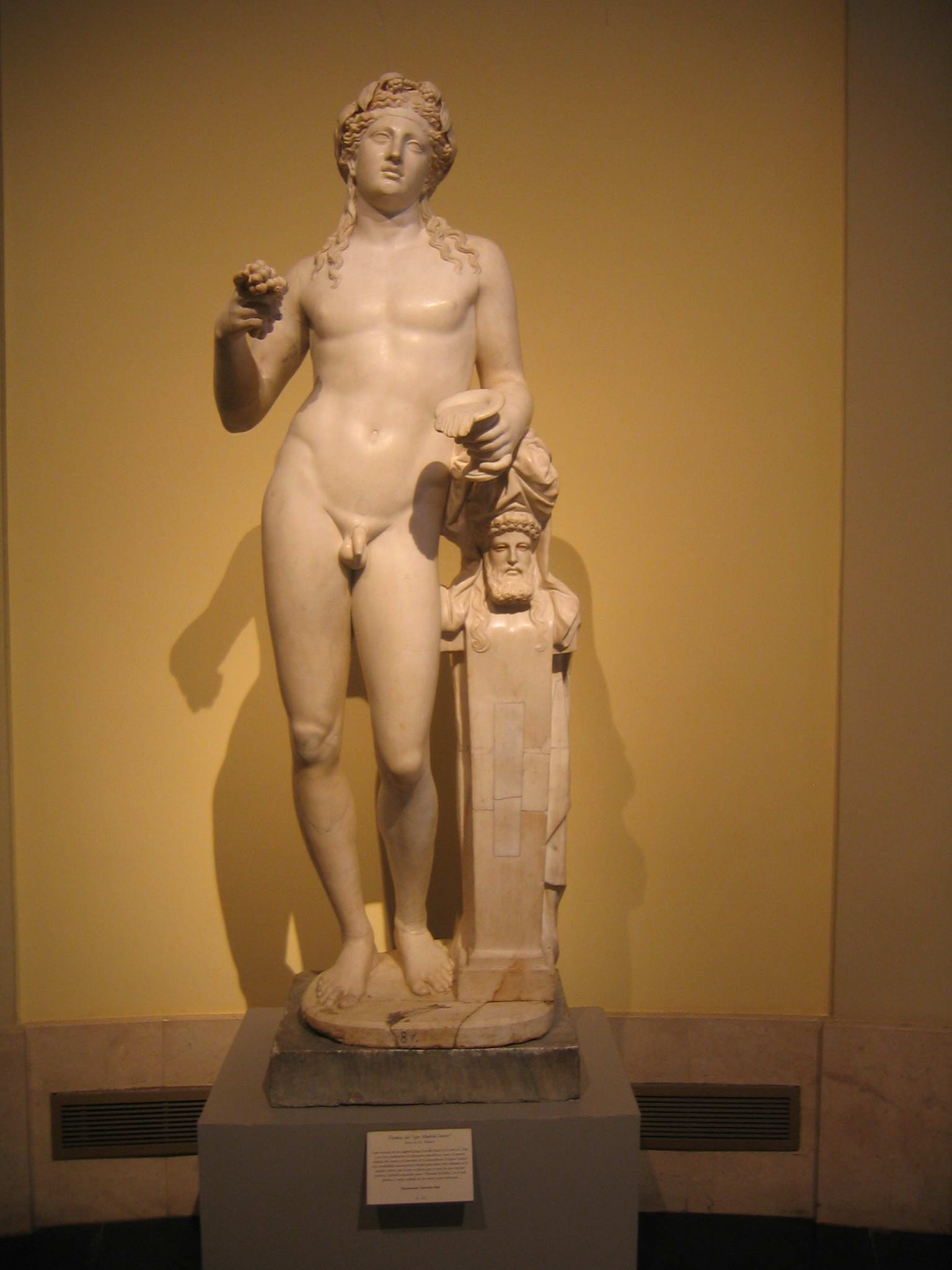
- Sculpture, drawings and prints connected to the Academy’s teaching functions over its history.
The Academy’s own materials describe the picture gallery as one of the most important in Spain for old masters outside the state museum network — a claim worth weighing against the fact that, unlike the Museo del Prado, its collection grew mainly through academic bequests and confiscations rather than royal assembly on the scale of the Spanish crown’s holdings.
_02a.jpg)
How does it compare to the Prado and the Golden Triangle museums?
The Real Academia is not one of the three museums that make up Madrid’s Golden Triangle of Art — that designation, used by the city’s own tourism promotion, refers specifically to the Prado, the Thyssen-Bornemisza and the Reina Sofía, described in detail in this site’s explanation of the Golden Triangle. The Academia sits outside that grouping administratively and in scale, but its Goya holdings and old-master paintings are frequently cited by art historians as a natural extension of a visit to the Prado’s own Goya rooms, covered in the guide to what the Prado’s collection contains.
Unlike the Prado, the Reina Sofía and the Museo Arqueológico Nacional — all part of Spain’s national museum system, whose shared free-entry structure is explained in this site’s piece on how Madrid’s national museum free-entry windows work — the Real Academia is governed by the Academy itself rather than the Ministry of Culture. It sets its own admission policy, ticket prices and any discounted or free hours, and these should be confirmed on its own website rather than assumed to match the national museums’ schedule.
What role has it played in the training of Spanish artists?
Since its founding, the Academia has functioned as Spain’s principal state body overseeing artistic training and, in earlier centuries, its official teaching school for painting, sculpture and architecture. Its members, known as académicos, have historically included many of the most significant figures in Spanish art.
Goya was elected a member in 1780 and later served as the Academy’s director of painting. In the twentieth century, both Pablo Picasso and Salvador Dalí studied at the school associated with the institution before it was superseded by the university-level Facultad de Bellas Artes established later in Madrid. The Academy today continues to exist as a learned society with sections covering painting, sculpture, architecture, music and other arts, electing academicians and awarding recognitions within Spain’s cultural institutions, alongside running its museum and library to the public.
What is the Calcografía Nacional?
The Calcografía Nacional (National Chalcography) is a print workshop and archive attached to the Real Academia, holding the original copper plates Goya used for several of his major print series, including the Caprichos, Desastres de la Guerra and Disparates. According to the Academy’s own description, it functions both as a conservation body for these plates and as a producer of modern editions printed from them, and its holdings are among the reasons the institution is treated as a serious research centre for Goya’s graphic work rather than only a picture gallery.
Is it a national museum, and does it close on Mondays?
The Real Academia is not one of Spain’s state-run national museums, so its closure days and opening pattern are set independently rather than following the pattern common to institutions like the Prado, Reina Sofía and Thyssen — a pattern discussed generally in this site’s explanation of why so many Madrid museums close on Mondays. Readers should check the Academia’s own website for its current opening days, ticket prices and any reduced-admission conditions, since these details change and are not published here as fixed figures.
How does it fit alongside Madrid’s other historic house-museums and smaller collections?
Madrid holds a number of collections that sit outside the national museum system but are treated by art historians as essential context for the city’s major galleries. The Museo Cerralbo and the Museo Lázaro Galdiano are both private aristocratic collections turned public museums, built around individual collectors’ taste rather than state acquisition. The Real Academia differs from both in that its collection grew through an institution’s history rather than one collector’s holdings, but it belongs in the same broader category of Madrid museums whose significance depends on understanding who assembled the collection and why, rather than simply what hangs on the walls. A wider view of how these institutions relate to each other is available in this site’s Museums & Galleries section.
What should a visitor understand before going?
The Real Academia de Bellas Artes de San Fernando rewards a visitor who already has some sense of Goya’s career and of Spain’s academic art tradition, since its galleries are arranged around the Academy’s own history rather than a single narrative sweep through art periods, as the Prado attempts. Readers planning to combine it with a fuller day of gallery visits may find it useful to first read how much of the Prado can realistically be covered in one visit, since the Academia works well as a shorter, more targeted stop either before or after a Prado visit rather than as a full day’s destination on its own.
Current admission arrangements, any discounted days, and the Academy’s opening calendar are published on the institution’s own website, which should be treated as the only reliable source for prices and hours at the time of any visit.
Access Madrid is an independent guide written from published, checkable sources. We have not visited the places described here and we do not publish personal recommendations or invented ‘local favourites’ — where something is singled out as notable, we say who says so. Opening times, fares, closures and prices change at short notice, so treat everything here as a starting point and confirm with the museum, operator or venue directly before building a day around it. We give no advice on visas, insurance, health or safety; use your own government’s official guidance for those.
Featured image: Photo by Luis García (Zaqarbal), source, CC BY-SA 3.0 es
_05.jpg)