A realistic single visit covers two or three of the Prado’s core rooms in real depth — Velázquez, Goya, and one of the Flemish or Italian galleries — plus a fast pass through the rest. Seeing the entire building attentively in one day is not possible; the collection is simply too large for that.
How big is the Prado’s collection, really?
The Museo del Prado’s own catalogue lists more than 7,000 paintings, alongside thousands of drawings, prints, sculptures and decorative objects. At any given time, roughly 1,700 to 1,900 works are on display across the building, with the remainder held in storage or on loan. That displayed portion alone would take many hours to walk past at a normal pace, let alone study.
For a fuller account of what the collection actually contains and how it is organised by school and period, the explanation of what is in the Museo del Prado and how it is arranged is worth reading before a visit, since it sets out the building’s logic rather than a room-by-room itinerary.
How long does it take to see the whole museum?
Walking every open gallery without stopping typically takes a couple of hours; actually looking at the works stretches that considerably, and most visitors run out of attention long before they run out of rooms. There is no official “full tour” duration published by the museum, because the building does not work as a single linear route.
The Prado occupies a long, multi-floor structure — the Villanueva Building, opened in 1819 as a natural history cabinet before becoming the museum’s home — with galleries branching off a central spine on each level. A visitor who tries to see literally everything in one pass usually ends up moving quickly and remembering little, which defeats the point of going.
What should a first-time visitor actually prioritise?
Most visitors concentrate on three areas: Spanish painting from the sixteenth to nineteenth centuries, the museum’s Flemish and Italian holdings, and one or two single major works. This covers the collection’s strongest and most historically significant material without attempting the full building.
- Velázquez — including Las Meninas, held in the museum’s central galleries and generally treated as the collection’s signature work.
- Goya — spanning court portraiture through to the so-called Black Paintings, originally created for his house outside Madrid and later transferred to the museum.
- El Greco — the Prado holds one of the largest public collections of his work anywhere.
- Flemish and Northern European painting — including major holdings of Bosch and Rubens, built up through royal collecting rather than acquisition for the museum itself.
- Italian Renaissance painting — Titian in particular, again reflecting centuries of royal patronage before the collection became public.
Choosing two or three of these, rather than all five, is what separates a visit that leaves an impression from one that leaves only fatigue.
.jpg)
Is the Prado organised in a way that makes this easier?
Yes — the museum is arranged broadly by national school and period rather than chronologically through a single suggested path, which means a visitor can pick a wing and stay there rather than crossing the building repeatedly. Spanish painting occupies the largest share of gallery space, reflecting the collection’s origins as a royal, largely Spanish holding before it opened to the public in 1819.
Because the layout is organised this way, planning by school — “Spanish galleries this morning, one Flemish room afterward” — tends to work better than trying to follow a fixed numbered route through the whole building. The museum publishes floor plans on its own site, and checking these before arrival is more useful than any general description here, since gallery numbers do shift with rehangs and conservation work.
Does a single ticket allow re-entry or multiple days?
Ticket terms, including whether a single admission allows re-entry the same day, change from time to time and are set entirely by the museum. Anyone planning to split a visit across a morning and afternoon, or across two days, should confirm current terms directly on the Museo del Prado’s own website rather than relying on a fixed rule stated elsewhere.
The same applies to opening hours and admission prices generally: they are perishable details that this site will not print as fixed figures, because they are set — and changed — by the operator, not by any guide written about it.
Is there a way to see the Prado for less, or for free?
Like Spain’s other national museums, the Prado operates a free-entry window on certain days and hours, set by the museum and the Ministry of Culture rather than fixed indefinitely. These windows are genuinely useful for a shorter, more targeted visit, since a free slot naturally discourages trying to see everything.
The mechanics of how these free periods work across Madrid’s national museums — who qualifies, how the hours are typically structured, and why they exist at all — are set out in how Madrid’s national museum free-entry windows work. Current Prado-specific hours should always be confirmed on the museum’s own site before planning around them.
Should the Prado be paired with other museums in one day?
Generally, no — the Prado sits within Madrid’s so-called Golden Triangle of Art alongside the Reina Sofía and the Thyssen-Bornemisza, all within walking distance of each other along the Paseo del Prado, but combining more than one properly in a single day is difficult given how large each collection is on its own.
The three museums are complementary rather than overlapping: the Prado covers historic European painting through the nineteenth century, the Thyssen-Bornemisza fills gaps across medieval to twentieth-century work, and the Reina Sofía holds Spain’s major twentieth-century collection, including Picasso’s Guernica. How the three relate, and why they are grouped together, is explained in Madrid’s Golden Triangle of Art: three museums explained. Readers weighing which museum to prioritise on a short trip may also find it useful to compare what each collection actually holds, covered separately in the pieces on what the Thyssen-Bornemisza holds and how it arrived and what is in the Reina Sofía and how Guernica arrived.
When is the museum quietest?
The Prado, like most of Madrid’s major museums, follows a weekly closing pattern and seasonal crowd rhythm rather than being consistently busy or quiet. Many of the city’s museums close on Mondays, and the reasons behind that pattern — along with what it means for planning a week around several institutions — are explained in why so many Madrid museums close on Mondays.
Beyond the weekly closure, crowd levels shift with the academic calendar, national holidays, and peak tourist seasons, none of which this site can responsibly predict for any given week. The museum’s own site lists current hours and any temporary closures, and is the only reliable source for that detail.
What is the practical takeaway for planning a visit?
Treat the Prado as a building to select from, not a building to finish. A focused visit — two or three galleries chosen in advance, plus the handful of works that matter most to the visitor personally — will generally leave a stronger impression than an attempt to move through the entire collection in one pass.
For a broader sense of how the Prado fits alongside Madrid’s other major collections, the Museums & Galleries section covers the city’s institutions individually, including what each holds and how they differ in scope and period.
Access Madrid is an independent guide written from published, checkable sources. We have not visited the places described here and we do not publish personal recommendations or invented ‘local favourites’ — where something is singled out as notable, we say who says so. Opening times, fares, closures and prices change at short notice, so treat everything here as a starting point and confirm with the museum, operator or venue directly before building a day around it. We give no advice on visas, insurance, health or safety; use your own government’s official guidance for those.
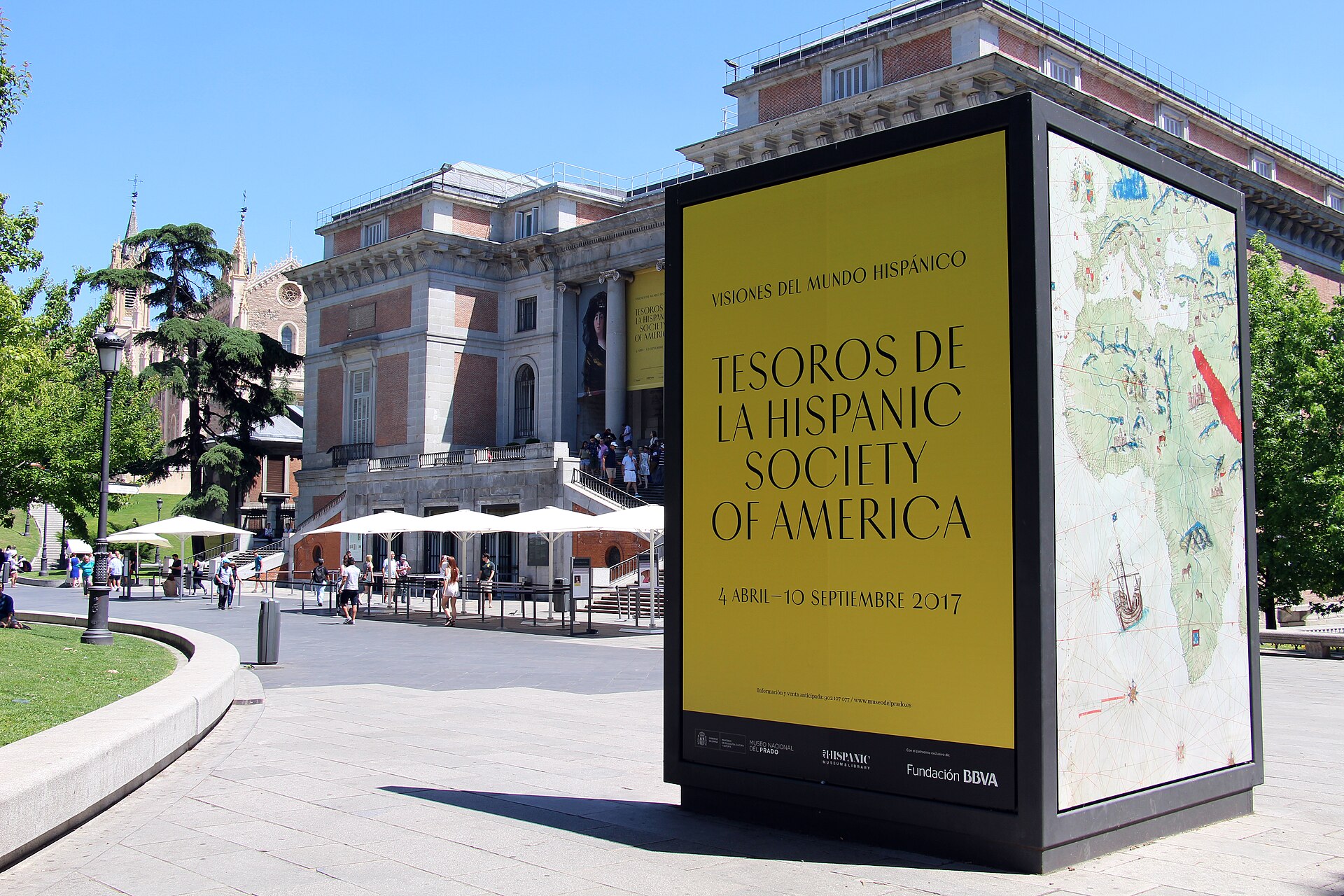
Featured image: Photo by Javier Perez Montes, source, CC BY-SA 4.0
