An evening in Madrid runs later than in most other European capitals because the whole day is shifted: lunch lands in the middle of the afternoon, dinner rarely gets going before nine, and streets stay genuinely busy well past midnight on weekends. “Late” is a moving target here — the metro keeps running into the small hours, and a night bus network takes over after that.
Why does the Madrid evening start later than elsewhere?
Because the rest of the day starts and ends later too. Madrid keeps Central European Time despite sitting on roughly the same longitude as London, which pushes sunset later in summer and shifts meal times with it. Lunch is typically the main meal of the day and often falls between 2pm and 4pm; dinner, correspondingly, doesn’t really begin until the evening is well underway.
The pattern is explained in more detail in the site’s guide to Spanish meal times in Madrid, and the related question of whether the traditional afternoon rest still shapes the working day is covered separately in does the siesta actually apply in Madrid.
What time do people actually eat dinner in Madrid?
Kitchens in most sit-down restaurants open for dinner service in the evening and rarely take orders much before then; many don’t fill up until later still. A visitor used to eating at six or seven will often find the kitchen not yet open, or open but empty.
This isn’t a matter of restaurants being unusually slow — it’s the standard rhythm of the city, and it holds on weeknights as well as weekends. The practical guide to typical opening hours in Madrid covers how this affects shops and other businesses too, since very little in the city runs on a single, fixed schedule the way it might elsewhere.
What happens between dinner and midnight?
This is when Madrid’s evening is at its most visible. After dinner, a walk — often called a paseo — through a neighbourhood’s main streets and plazas is a long-standing pattern, not a tourist activity invented for visitors. Squares fill with people standing rather than sitting, terraces stay open, and conversation tends to happen standing at a bar rather than seated at a table.
Different districts carry this differently. La Latina is known for a dense concentration of bars around its older streets; Malasaña and Chueca each carry a distinct social history that still shapes who goes where in the evening. The broader pattern of how Madrid is organised into districts and smaller barrios is set out in how Madrid is divided into districts and barrios, and the full list of neighbourhood guides sits in the neighbourhoods archive.

When does public transport stop, and what counts as late?
The Madrid Metro runs into the early hours before closing for a short overnight gap; exact closing and reopening times are set by Metro de Madrid and should be checked on its own site rather than assumed. Once the metro has stopped, a dedicated night bus network — the Búho (“owl”) buses — covers the core routes across the city until day services resume.
This is the practical definition of “late” in Madrid: it isn’t midnight, and for transport purposes it isn’t really 1am either. The city’s night-time transport is a distinct system with its own routes and frequency, not simply a thinned-out daytime service. Details are in the guides to Madrid’s night buses, the Búho network, and, for how fares and the underlying zone system work generally, how the Madrid Metro fare system works. Daytime bus routes, run by EMT, are covered in how the EMT bus network works; EMT’s own site carries current night-route maps and timetables.
Does the evening look different in summer?
Yes, and significantly. Madrid’s summer heat pushes almost everything outdoor into the evening, since daytime temperatures in July and August are frequently too high for comfortable walking. Terraces that might close early in winter stay busy long after dark, and many residents structure their whole day around going out only once the heat has dropped.
This seasonal shift is covered in how Madrid handles summer heat, practically, and August specifically — when much of the city’s own population leaves and business hours contract — is its own subject in what happens to Madrid in August. The wider annual pattern, including how spring and autumn evenings compare, is set out in Madrid’s climate through the year.
How does a weeknight evening differ from a weekend one?
The core rhythm — later lunch, later dinner, a late walk — holds on both, but weekends extend it further at both ends. Bars and terraces that might quiet down by a reasonable hour on a Tuesday can stay full well past 2am on a Friday or Saturday, and the night bus network runs at its most useful on those nights precisely because more people are out on them.
Some of Madrid’s major museums also build a late evening into their week rather than their weekend, with extended opening hours on specific weekdays and free-entry windows that fall in the early evening rather than the afternoon. That pattern is explained in national museums’ free entry windows explained, and the practicalities of museum scheduling generally, including the near-universal Monday closure, are in why Madrid museums close on Mondays.
What should a visitor expect if they keep a “normal” home-country schedule?
Arriving at a restaurant at seven expecting a full evening service, or assuming last orders fall where they might in another capital, is the most common mismatch. Kitchens, shops and some cultural sites keep hours built around the local meal pattern rather than an international average, and this is covered more broadly in the site’s guide to typical opening hours in Madrid.
None of this requires major adjustment — it mostly means treating the early evening as a period for a walk, a coffee, or a visit to a smaller collection rather than dinner, and shifting the main meal later than habit might suggest. The practical planning hub covers this kind of day-shaping detail across transport, food and timing together.
What does “late” mean for someone who actually lives in Madrid?
For residents, “late” is less about a clock time and more about which services are still running and which neighbourhood they’re in. A resident’s evening is shaped by the same meal rhythm as a visitor’s, but layered with routine — a regular bar, a known transport connection home, an awareness of which night bus covers their route once the metro stops.
The broader question of how the city actually functions day to day, beyond any single evening, is the subject of the living in Madrid hub, with further detail in the living in Madrid archive. For visitors trying to plan a single evening well, the Madrid guide hub and the itineraries and day plans archive set out how an evening fits into a wider day without assuming a schedule the city doesn’t actually keep.
Access Madrid is an independent guide written from published, checkable sources. We have not visited the places described here and we do not publish personal recommendations or invented ‘local favourites’ — where something is singled out as notable, we say who says so. Opening times, fares, closures and prices change at short notice, so treat everything here as a starting point and confirm with the museum, operator or venue directly before building a day around it. We give no advice on visas, insurance, health or safety; use your own government’s official guidance for those.
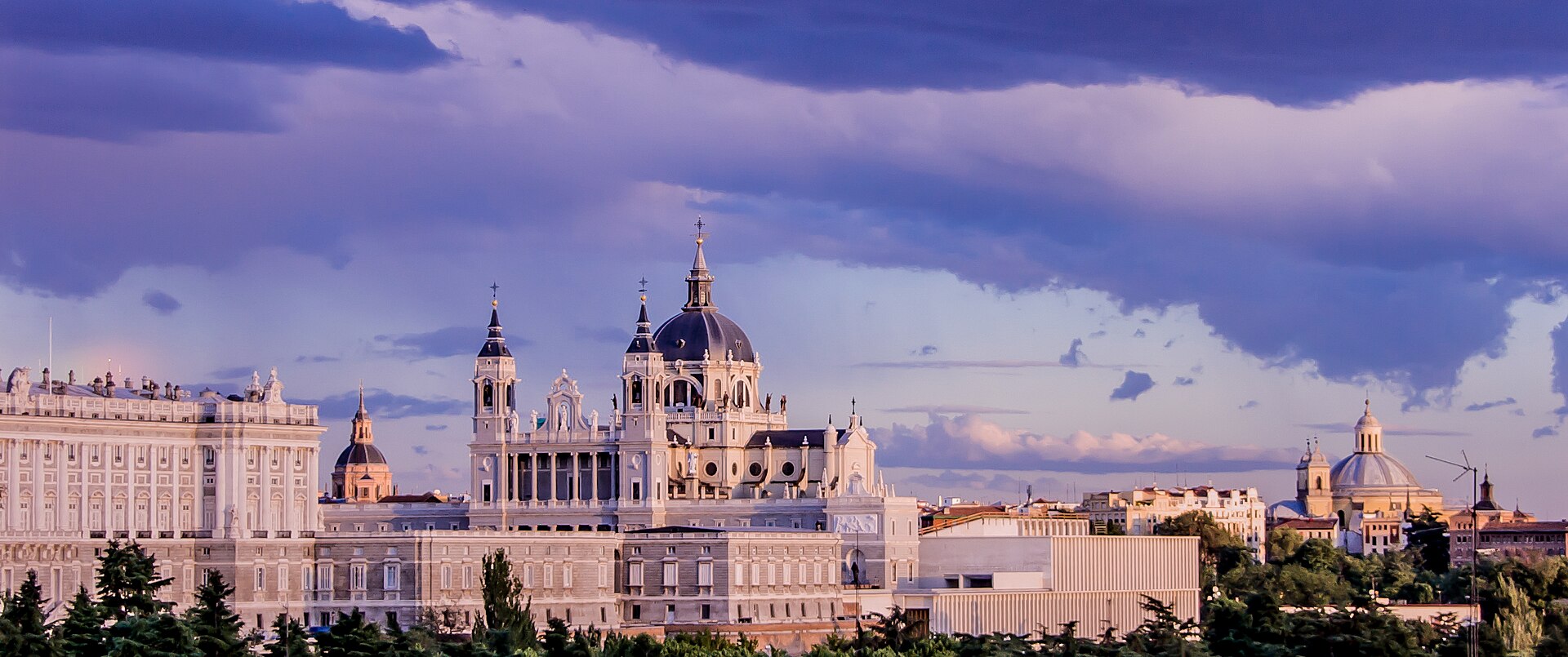
Featured image: Photo by Nan Palmero from San Antonio, TX, USA, source, CC BY 2.0
.jpg)