A taberna is a specific, older kind of drinking-and-eating establishment built around wine, cured food and a fixed menu of traditional dishes, often in a building with some age to it. A bar is the general term for anywhere serving drinks and snacks, from a corner coffee stop to a modern cocktail spot. Every taberna is a bar in the broad sense; not every bar is a taberna.
What does “taberna” actually mean?
The Real Academia Española’s dictionary defines taberna as an establishment where wine and other drinks are sold and, often, food is served — historically a modest, working-class place built around drink rather than dining in the formal sense. The word is old; the buildings that still carry it are frequently old too, with tiled façades, zinc or marble counters, and interiors that have changed little in decades.
In practice, in Madrid today, “taberna” is both a legal category some establishments still use on their signage and a loose descriptive term diners apply to anywhere that feels traditional: wine served from the barrel or in small tumblers, a short list of classic dishes, and staff who have usually worked there for years.
How is a taberna different from a bar?
“Bar” is the umbrella word. It covers everything from a stand-up coffee counter to a taberna to a contemporary cocktail bar, and Spanish uses it that loosely too. A taberna is a bar with a particular identity: older premises, a wine-and-tapas focus rather than a full drinks list, and a menu leaning on regional or Madrid-specific dishes rather than anything trend-driven.
- Age and fabric: a taberna typically occupies a building or interior with genuine history — tiling, wood panelling, a counter that predates the current owners. A bar can be brand new.
- What’s on offer: a taberna usually centres on wine (often served by the glass from large barrels or bottles), vermouth, and a fixed, short kitchen menu. A bar’s range is unrestricted — beer, spirits, coffee, cocktails, or nothing but drinks at all.
- The food itself: tabernas lean toward stews, cured meats, tinned or salted fish, and other dishes with a long history on Madrid’s tables. A modern bar may serve none of this.
- Pace and use: a taberna is generally used for lingering — a glass of wine, a small plate, conversation — rather than a quick stop.
None of these distinctions are legally enforced in the way a Michelin star or a UNESCO listing is. They are descriptive conventions that most Madrid residents would recognise immediately, even if a given establishment blurs the line.
What does a taberna typically serve?
Wine is the anchor — often a house red or white poured from a barrel or an unlabelled bottle rather than a curated list — alongside vermouth, the aperitif tradition covered in detail in this guide to vermouth hour in Madrid. Food tends toward a short, fixed repertoire: cured hams and cheeses, tinned seafood, croquettes, and heartier plates drawn from Spanish and specifically Madrileño cooking.
Cocido madrileño, the chickpea-and-meat stew associated with the city, appears on many taberna menus, particularly as a weekly or seasonal offering rather than a daily one; this explainer covers what the dish actually contains. Tapas culture more broadly — including the question of whether a small plate is ever genuinely free with a drink — is addressed in this piece on tapas in Madrid.
Are tabernas old, or is it just a style?
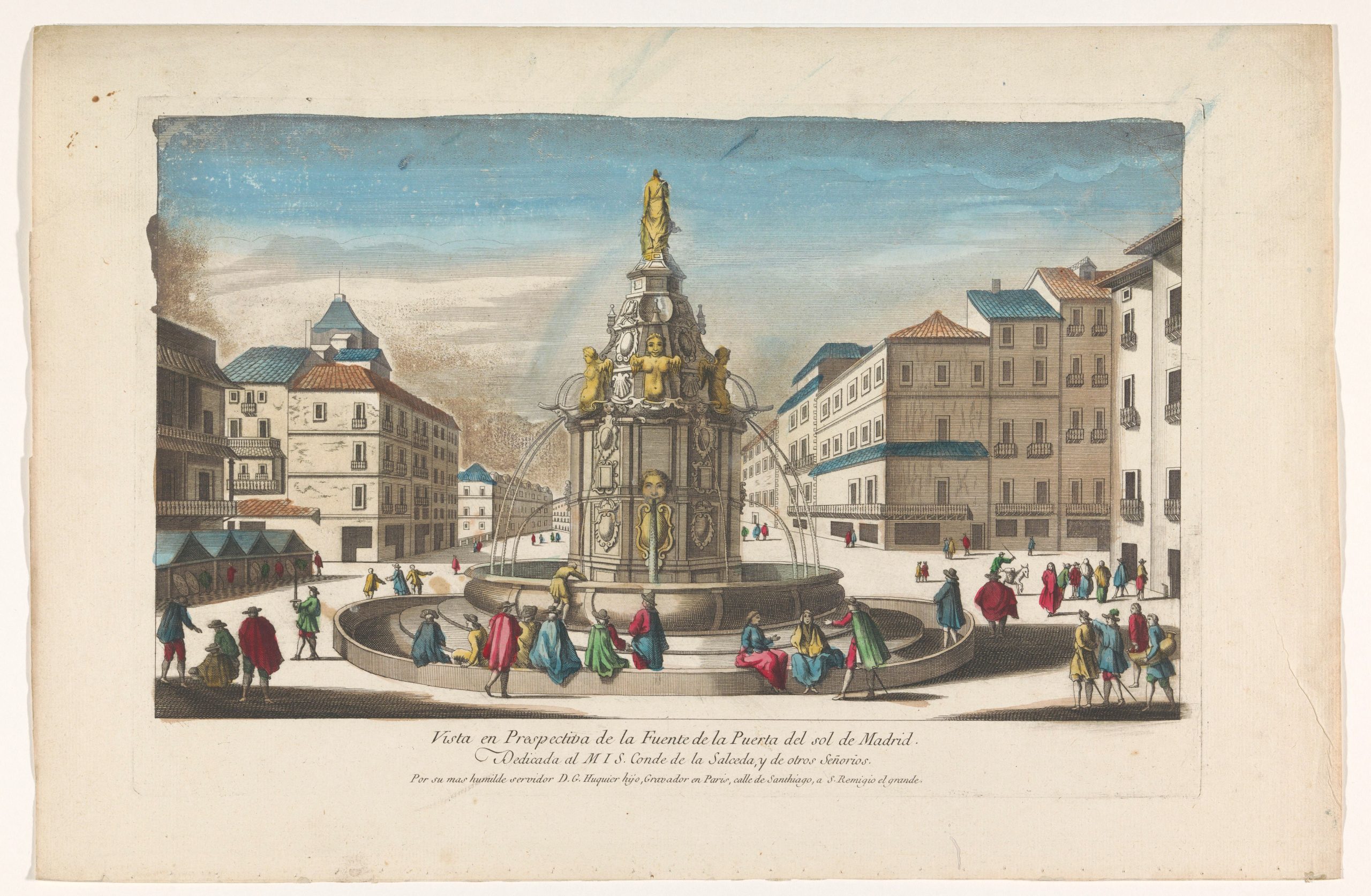
Both exist. Some Madrid tabernas occupy premises genuinely dating from the nineteenth or early twentieth century, with tiling, signage and fittings intact from that period; these are sometimes noted by the city or by heritage bodies as examples of historic commercial interiors. Others are newer businesses that have adopted the taberna format — wine by the barrel, a short traditional menu, an interior styled after older models — without the building itself being old.
This distinction matters for accuracy but rarely for the customer experience: a well-run taberna, old fabric or new, tends to deliver the same thing — a wine-and-tapas format rather than a full bar list, and dishes rooted in Spanish tradition rather than seasonal invention. Neighbourhoods with a dense concentration of older establishments, particularly Madrid de los Austrias and La Latina, are where most of the historically documented tabernas cluster, partly because those districts retain more pre-20th-century commercial buildings than areas developed later.
How does this fit into the wider drinking-and-eating pattern in Madrid?
Spanish meal times run later than in much of northern Europe, and the taberna schedule follows that rhythm rather than fighting it — a subject covered in full in this guide to Spanish meal times in Madrid. A taberna is typically busiest around the early-evening aperitif window and again later in the evening, rather than at conventional dinner hours elsewhere in Europe.
Tabernas also sit inside the broader tapeo tradition — moving between several small establishments over an evening, having a drink and a small plate at each rather than a full meal at one. This is closer to how a bar crawl and a meal merge in Madrid than it is to sitting down at a single restaurant for the night. Market halls, a related but distinct category of food venue, are explained separately in this guide to Madrid’s market hall types, since a market stall selling tapas is not the same institution as a taberna, even when the food overlaps.
Do prices or payment differ between a taberna and a bar?
There is no fixed rule here, and this site does not publish specific prices because they change too often to stay accurate. What can be said reliably is that many older, smaller tabernas still run on cash more than newer bars do, though card acceptance has spread widely across Madrid in recent years; this guide to payments in Madrid covers what to expect. Tipping conventions are also worth checking separately, since they are not identical to those in other countries — see this explanation of how tipping works in Spain.
Opening hours follow the general Madrid pattern of a midday service, an afternoon lull, and a late-evening peak, though tabernas vary in whether they close in the afternoon at all. This guide to typical opening hours in Madrid sets out the wider pattern that most food-and-drink venues, tabernas included, roughly follow.
How do you tell a taberna from a modern bar just by looking?
A few visual cues recur often enough to be useful, without being universal rules:
- Tiled exteriors and painted signage using the word “Taberna” or “Casa” plus a surname.
- A zinc, marble or wooden counter rather than a designed cocktail bar.
- Wine barrels or large glass demijohns visible behind or on the counter.
- A short, handwritten or unchanging menu rather than a seasonal printed one.
- Hams or cured products hanging from the ceiling or counter area, a common but not universal feature of older establishments.
None of these alone is proof. A new bar can install old-style tiling deliberately, and a genuinely old taberna can look plain from outside. Signage and menu content are the more reliable indicators than décor alone.
Where does this fit into a visit or a life in Madrid?
For a visitor, understanding the taberna-bar distinction changes what to expect walking into a given place: a taberna is not the venue for an extensive cocktail list or fast turnover, and a bar with that name attached is not necessarily serving Madrid’s traditional dishes. For a resident, tabernas function as neighbourhood fixtures in the way a local shop does — often used regularly, at specific times, rather than as a destination.
Both categories sit inside Madrid’s much broader eating-and-drinking landscape, covered more widely in the Food & Markets section and, for how food fits into daily rhythms and living patterns in the city, in the Living in Madrid section. Neither word is a quality marker on its own — a taberna can be unremarkable and a bar can be excellent — but knowing which one a place is calling itself sets a fair expectation before walking in.
Access Madrid is an independent guide written from published, checkable sources. We have not visited the places described here and we do not publish personal recommendations or invented ‘local favourites’ — where something is singled out as notable, we say who says so. Opening times, fares, closures and prices change at short notice, so treat everything here as a starting point and confirm with the museum, operator or venue directly before building a day around it. We give no advice on visas, insurance, health or safety; use your own government’s official guidance for those.