A tapa is a small portion of food, usually eaten standing or seated at a bar, ordered alongside a drink rather than as a separate course. In Madrid, a tapa is almost always something you order and pay for. Free tapas exist in the city, but they are the exception, not the rule, and they depend on the bar rather than on any citywide custom.
What does “tapa” actually mean?
The word describes a small serving, typically enough for one or two bites per person, meant to accompany a drink rather than fill a plate. It can be a few olives, a slice of tortilla, a handful of fried fish, or a small dish of something cooked to order. The term also covers the wider culture around it: moving between bars, having a small plate and a drink at each, rather than sitting through a full meal in one place.
Outside Madrid, particularly in parts of Andalusia such as Granada or Jaén, ordering a drink often brings a tapa automatically, included in the price. That custom is regional and not universal across Spain. In Madrid, the more common pattern is a menu of tapas, raciones and media raciones that customers choose and pay for individually.
Is a tapa free in Madrid?
Not as a rule. Some bars, particularly older, traditional ones in the centre, still put out a small plate — a few olives, some crisps, a bit of chorizo — with a drink at no extra charge. This is a matter of house custom, not city policy, and it has become less common over time as bar economics have shifted. A visitor should treat any free tapa as a bonus specific to that bar, not something to expect everywhere.
Where tapas are charged, the price is usually modest for the size of the dish, and a menu or chalkboard will normally list them by name. Payment works the same way as anywhere else in the city — card acceptance is now widespread, though some smaller, cash-oriented bars still exist, and it is worth understanding how payments work in Madrid before assuming a card will always be accepted.
Why does Madrid differ from cities where tapas are free?
Free tapas are strongly associated with certain southern Spanish cities, where the custom is well documented and often promoted by local tourism bodies as a point of civic identity. Madrid has never had that as a fixed local practice. The capital’s bar culture developed around ordering dishes by name and paying per plate, closer to how a menu works in any restaurant, just scaled down.
This does not make Madrid’s tapas culture lesser, only different in structure. The city has an enormous density of bars offering small plates, and the format — a drink, a small dish, moving on to the next place — is very much alive. It is simply built on ordering and paying, not on an automatic freebie.
How does ordering tapas actually work in a Madrid bar?
Most bars serving tapas offer three sizes of the same dish: a tapa (smallest), a media ración (roughly half a full plate), and a ración (a full plate, meant to be shared or to function as a main course). Not every dish comes in all three sizes, and some bars only do raciones, treating “tapas” as a general description of their food rather than a specific small size.
- Tapa — a single small portion, sized for one person to try alongside a drink.
- Media ración — a half portion, usually enough for one person as a light dish or two people sharing lightly.
- Ración — a full plate, generally shared among two or more people at a table.
Ordering usually happens at the bar itself rather than through table service, particularly in busier or more traditional places, though sit-down tapas restaurants with table service are common too. Basic Spanish helps here — dish names are rarely translated on the board — and how much Spanish you actually need in Madrid covers what’s realistic to expect in this kind of setting.
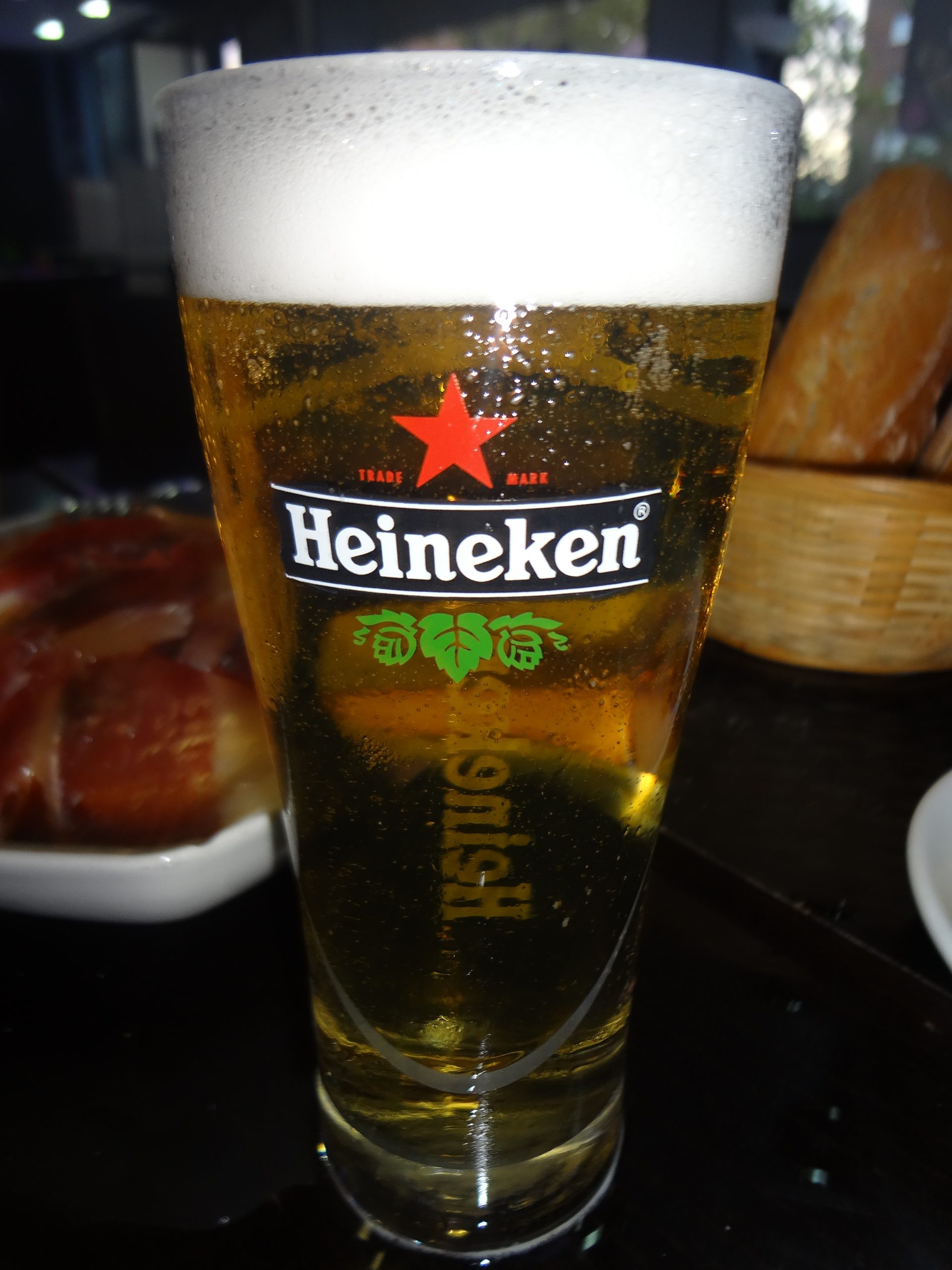
Where does the tapas custom fit into Madrid’s meal times?
Spanish meal times run later than in much of northern Europe, and tapas often fill the gap rather than replacing lunch or dinner outright. A round of tapas before a 9pm or later dinner, or a longer tapas crawl in place of a sit-down dinner, both happen regularly. Spanish meal times in Madrid explains how the clock here reshapes an evening, including why restaurants often don’t open for dinner until well after most northern European kitchens would have closed.
This matters for planning: arriving at a tapas bar at 7pm may find it quiet, with the real activity picking up from 9pm onward. Bars serving tapas alongside drinks tend to have longer, more flexible hours than formal restaurants, which is part of why the format suits an evening built around moving between several places rather than committing to one long sitting.
What dishes typically appear as tapas in Madrid?
Tapas menus vary by bar, but certain dishes recur across the city and are closely tied to Madrid’s own food identity rather than imported from elsewhere in Spain. Some, like patatas bravas or croquetas, are found nationwide in tapa form. Others are more specifically Madrid dishes served in smaller portions — a small helping of callos (tripe stew) or a taste of cocido madrileño’s components, for instance, though cocido itself is traditionally a full sit-down dish rather than a tapa. A fuller picture of the city’s own dishes, tapa-sized or otherwise, is set out in which dishes are actually associated with Madrid, and the specific stew is covered in detail in what cocido madrileño actually is.
Markets are another route into the same food, served in a more organised, stall-based format. Mercado de San Miguel is the best-known example of a market rebuilt around small-plate food stalls rather than fresh produce, and it functions differently from a traditional neighbourhood market. The distinction between that kind of venue and a working food market is explained in what a Madrid market hall actually is and how the types differ.
Does tipping change if a tapa was free?
Tipping in Spain is generally lighter and less obligatory than in many other countries, and this doesn’t shift much based on whether a tapa came free with a drink or was ordered and paid for. Rounding up or leaving small change is common; it is not a percentage-based expectation the way it can be elsewhere. How tipping works in Spain sets out the general pattern in more detail, including how it applies in bars versus sit-down restaurants.
Where does this fit into a wider visit to Madrid?
Tapas culture is one part of how the city eats, sitting alongside its market halls, its later meal times, and its own repertoire of dishes distinct from tapas found elsewhere in Spain. The Food & Markets archive covers markets, dishes and the mechanics of eating in the city in more depth, and the practical hub is a starting point for how food fits alongside transport and planning during an actual visit. For anyone building out a broader sense of the city beyond food, the Madrid guide hub covers museums, landmarks and neighbourhoods that shape how a day here is actually structured.
Access Madrid is an independent guide written from published, checkable sources. We have not visited the places described here and we do not publish personal recommendations or invented ‘local favourites’ — where something is singled out as notable, we say who says so. Opening times, fares, closures and prices change at short notice, so treat everything here as a starting point and confirm with the museum, operator or venue directly before building a day around it. We give no advice on visas, insurance, health or safety; use your own government’s official guidance for those.
Featured image: Photo by David Adam Kess, source, BY-SA