What Is Cercanías, and When Is It Better Than the Metro?

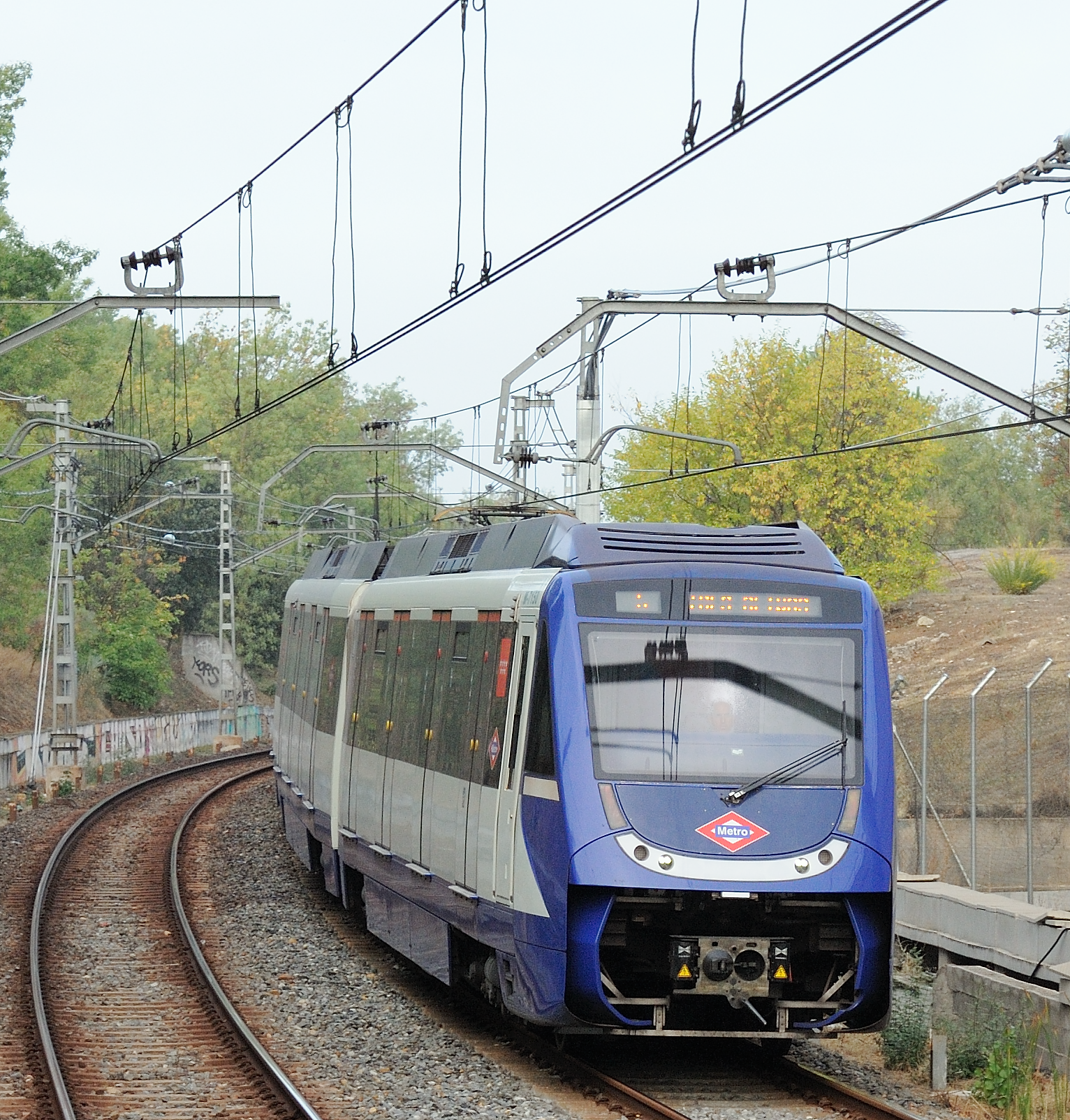
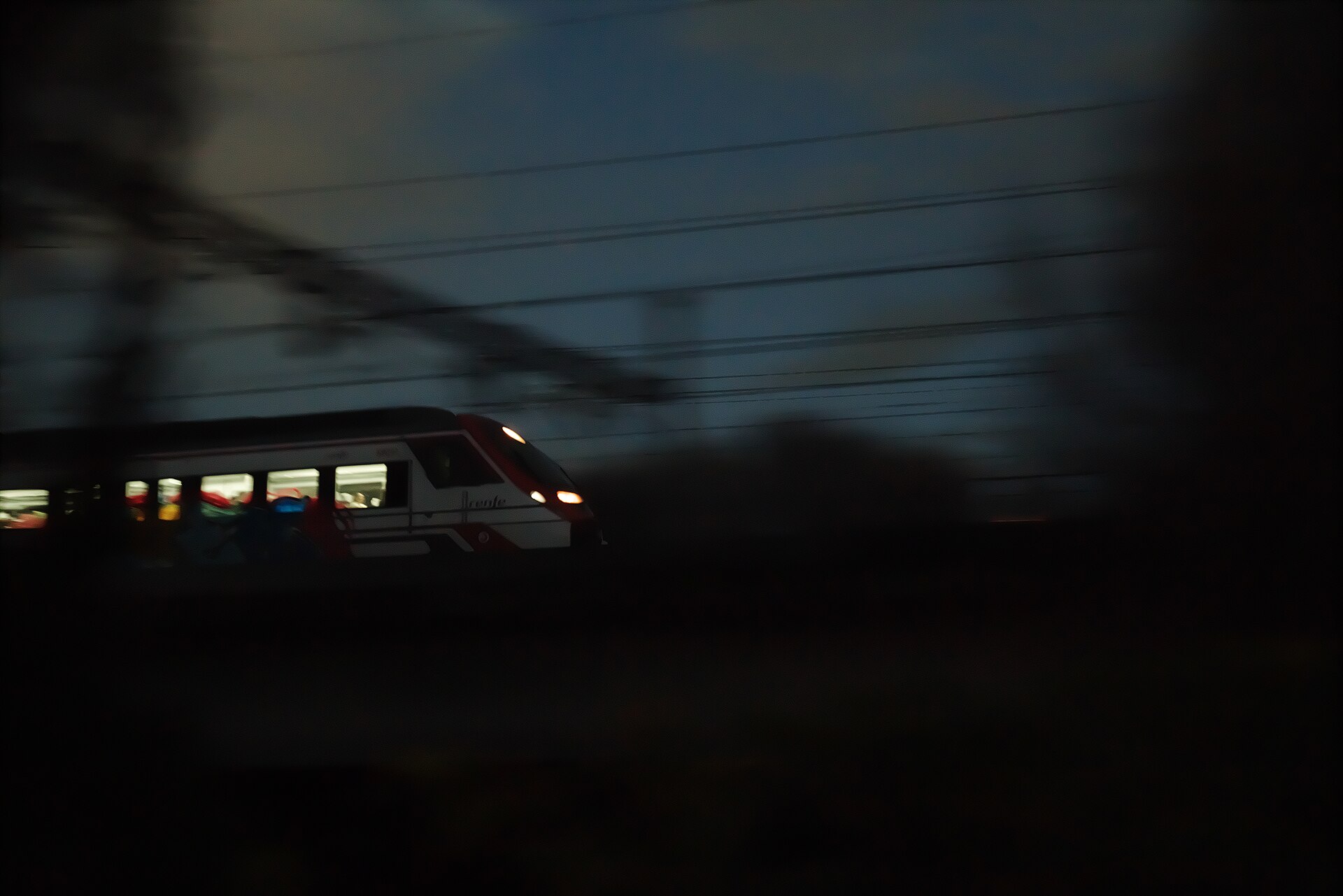
Cercanias RENFE - Parque Lineal del Manzanares - Section II - Madrid 03.jpg — illustrating What Is Cercanías, and When Is It Better Than the Metro?

Cercanías is Madrid’s commuter rail network, operated by Renfe, the Spanish state railway company. It runs on mainline tracks rather than the underground tunnels used by the Metro, which means it moves faster over distance and reaches towns well outside the city that the Metro never touches. It is better than the Metro whenever the … Read more

How Does the Madrid Metro Fare System Work?

A woman observing multiple metro station signs in Madrid, Spain, showcasing urban exploration. — illustrating How Does the Madrid Metro Fare System Work?

The Madrid Metro fare system charges by zone, not by line or number of stops. Almost all journeys within the city fall into Zone A, covered by a single flat fare. Tickets are loaded onto a rechargeable card called the Tarjeta Multi, and travellers choose between single trips, a 10-journey bundle, or a season pass … Read more

How Is Madrid Divided Into Districts and Barrios?

Calle de la Magdalena, Madrid 2021-01-09 - 50905868741.jpg — illustrating How Is Madrid Divided Into Districts and Barrios?

Madrid is divided into two administrative layers. The city is split into 21 distritos (districts), each governed by a junta municipal de distrito with its own office and budget. Each district is then subdivided into barrios (neighbourhoods) — 131 of them in total — which are smaller statistical and administrative units with no government of … Read more

What Is Moncloa-Aravaca? Madrid’s University District Explained

Faro de la Moncloa - 04.jpg — illustrating What Is Moncloa-Aravaca? Madrid’s University District Explained

Moncloa-Aravaca is one of Madrid’s 21 administrative districts, covering the northwest of the city from the edge of the historic centre out to the M-30 ring road and beyond. It holds the main university campus, the city’s largest park, a government palace, and a scattering of quieter residential neighbourhoods further out. Where does Moncloa-Aravaca sit … Read more

What Is Vallecas? Madrid’s Working-Class District Explained

450 - Vallecas - Andres Gomez.jpg — illustrating What Is Vallecas? Madrid’s Working-Class District Explained

Vallecas is a large working-class area in southeastern Madrid, made up of two official city districts — Puente de Vallecas and Villa de Vallecas. It was an independent town until 1950, and it has kept a distinct identity ever since, built around migration, football, and a strong tradition of neighbourhood organising. Where is Vallecas, and … Read more

What Is Carabanchel, and What Is Happening to It?

Carabanchel 6414.jpg — illustrating What Is Carabanchel, and What Is Happening to It?

Carabanchel is one of Madrid’s 21 administrative districts, occupying a large stretch of the city’s south, south-west of the centre and across the M-30 ring road from Arganzuela. It was a working-class, largely industrial and immigrant district for most of the 20th century and is now the subject of repeated press coverage describing rising rents, … Read more

What Is Usera, and Why Is It Known for Its Chinese Community?

Concierto del grupo punk-rock Reincidentes en las Fiestas de Usera 06.jpg — illustrating What Is Usera, and Why Is It Known for Its Chinese Community?

Usera is one of Madrid’s twenty-one administrative districts, on the southern bank of the Manzanares river directly opposite Arganzuela. It has, for years, recorded the highest concentration of Chinese-origin residents of any district in the city, a pattern that took shape from the 1990s onward and is now visible in its shopfronts, wholesale businesses and … Read more

About what you read here. Access Madrid is an independent guide written from published, checkable sources — museum and transport operators’ own information, official city and tourism data, and the public record. We have not visited the places we write about, and we do not publish personal recommendations or invented “local favourites”. Where we point to something notable we say who says so.

Opening times, fares, closures and prices change, often at short notice. Everything here is a starting point, not a booking confirmation — always check the venue’s or operator’s own site before you build a day around it. We are not a travel agency and we give no advice on visas, insurance, health or safety requirements; for those, use your own government’s official guidance.