Ávila is a small walled city in Castile and León, about 110 km northwest of Madrid, built on a granite outcrop above the Adaja river. Its walls are a largely intact Romanesque fortification from the late 11th and 12th centuries — roughly 2.5 km of stone circuit with dozens of towers, still enclosing the old town today.
What is Ávila?
Ávila is the capital of Ávila province, one of nine provinces in the autonomous region of Castile and León. It has a resident population in the low tens of thousands, which is small enough that the walled old town remains genuinely compact — most of what a visitor comes to see sits inside, or immediately against, the walls themselves.
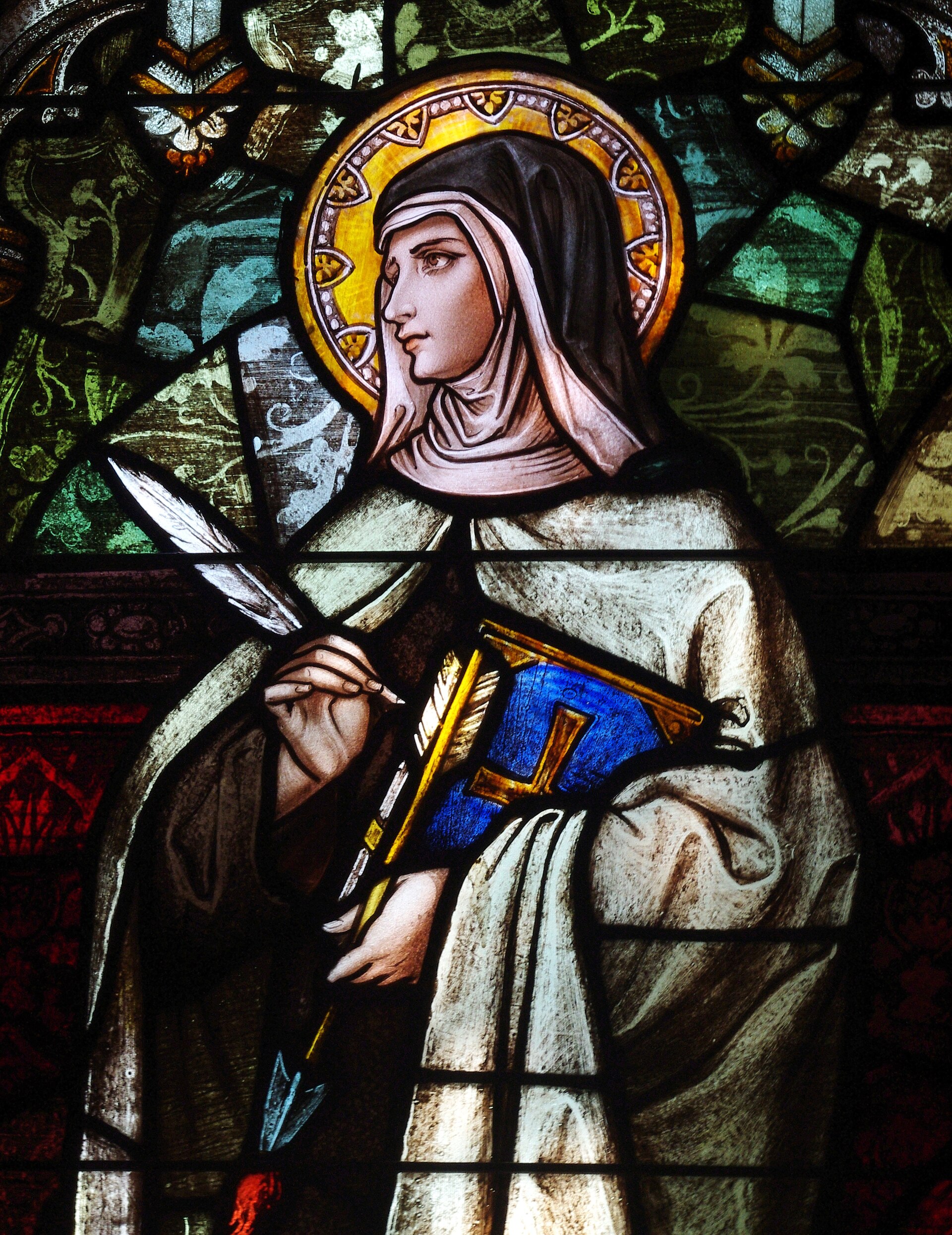
The city’s importance is medieval and religious rather than industrial or administrative in the modern sense. It grew as a fortified frontier town during the Christian reconquest of central Spain, and later became a significant religious centre, tied above all to the 16th-century mystic and writer Santa Teresa de Jesús (Saint Teresa of Ávila), who was born there and founded a reformed branch of the Carmelite order.
Where is Ávila, and how do you get there from Madrid?
Ávila sits roughly 110 km from central Madrid, reached by train from Madrid Chamartín in under 90 minutes on Renfe’s regional and Avant services. That makes it one of the more straightforward rail day trips covered in this site’s Day Trips archive, alongside nearby Segovia and Toledo.
Renfe (the national rail operator) runs the Madrid–Ávila route as part of the line continuing on to Salamanca; current timetables, journey times and fares should be checked on Renfe’s own site rather than assumed, since schedules and pricing change. For background on how the wider network fits together, see the guide to Madrid’s main railway stations and the piece on trains from Madrid to other Spanish cities. The Ávila train station sits a short walk from the walled centre, not immediately at its base.
What are the walls of Ávila?
The walls are a Romanesque defensive circuit, generally dated to around 1090 onward, built on the orders of Alfonso VI of Castile after the city was resettled following the reconquest of the area from Muslim rule. They replace or reuse earlier Roman and Visigothic fortification on the same site, which is why the walls sit on a base older than the visible stonework.
The circuit runs for roughly 2.5 km around the old town and is commonly described, including by Spain’s national tourism body Turespaña, as one of the most complete medieval city walls surviving in Europe — largely because Ávila’s later economic decline meant the walls were never dismantled to make room for expansion, unlike in many larger Spanish and European cities.
Along the circuit stand numerous semicircular towers and several fortified gates; exact counts of towers and gates vary slightly between sources, so a specific figure is best confirmed against the city council’s own tourism information rather than repeated as fixed. What is not in dispute is the scale and continuity of the structure — this is not a restored fragment but a walk-around perimeter still largely enclosing the historic centre.
A section of the walls is open to the public as a paid, ticketed walkway, allowing visitors to walk along the ramparts at height and look out over the old town on one side and the surrounding plain on the other. Access points, hours and ticket prices are set by the Ávila city council and should be checked on its official tourism site before a visit, since they are exactly the kind of perishable detail this guide avoids fixing in print.
_-_stained_glass,_St._Theresa_of_%C3%81vila_detail.jpg)
What is inside the walls?
The walled centre holds Ávila’s principal monuments within a genuinely walkable area. The most striking is the Catedral de Ávila, a Gothic cathedral whose apse is built directly into the city wall — its rounded end, known locally as the Cimorro, functions as part of the fortification itself, making the cathedral one of the clearest examples anywhere of a church doubling as a defensive structure.
Also within or just outside the walls are several sites connected to Santa Teresa: the Convento de Santa Teresa, built on the site traditionally identified as her birthplace, and the Monasterio de la Encarnación, where she lived as a nun. The old town more broadly preserves a dense pattern of medieval streets, plazas and Romanesque churches, several of which — along with the walls — form part of the UNESCO inscription covering the city.
None of this needs a car or a long itinerary to see; the old town’s small footprint is one of the reasons Ávila works well as a single-day trip rather than an overnight stay, in the same practical category as the day trips covered for Segovia and its aqueduct or Toledo.
Is Ávila a UNESCO World Heritage Site?
Yes. UNESCO inscribed the “Old Town of Ávila with its Extra-Muros Churches” as a World Heritage Site in 1985. The listing covers the walled old town together with a group of churches built outside the walls, and it credits the site specifically for the completeness of its medieval fortification and the density of Romanesque and Gothic religious architecture within a small urban area.
That inscription is UNESCO’s own designation and assessment, not a marketing claim — it is the kind of durable, checkable fact this site prefers to cite directly, in the same way the explainer on El Escorial points to that monastery’s own UNESCO status rather than describing it in promotional terms.
What else is Ávila known for?
Beyond the walls and Santa Teresa, Ávila is often cited in regional food writing for a roast lamb dish, chuletón de Ávila-style veal, and local pastries linked to the Carmelite convents — a pattern worth noting rather than a set of specific restaurant recommendations, since this guide does not name venues it has not verified as notable institutions in their own right. Readers interested in how Spanish regional dishes generally get attached to a place can compare this with the pieces on cocido madrileño and dishes associated with Madrid, which apply the same sourcing standard.
Ávila province also borders the Sierra de Gredos, a mountain range separate from the Sierra de Guadarrama that sits closer to Madrid; the two are sometimes confused by visitors planning a single “mountains near Madrid” trip. For the range genuinely close to the capital, see the explainer on the Sierra de Guadarrama.
How much time does Ávila need?
A single day is generally enough to walk the old town, see the cathedral and at least one Teresian site, and walk a section of the wall walkway, without rushing. Because the historic centre is small and largely traffic-free, this is a trip that rewards arriving without a fixed museum-by-museum plan — closer in structure to the approach described in a day in Madrid on foot, with no museums at all than to a checklist itinerary.
For planning the logistics of a rail day trip generally — ticket types, timed entry at major sites, and how to sequence a single day away from Madrid — the Getting Around and Planning hub and the Planning & Practicalities archive cover the mechanics that apply to Ávila as much as to any other day trip from the capital.
Is Ávila worth combining with another day trip?
Ávila and Segovia sit on different rail corridors out of Madrid, so combining both in a single day is impractical by public transport; each is better treated as its own trip. Travellers weighing which walled or monumental day trip suits a particular itinerary can compare this piece with the guides to Segovia and its Roman aqueduct and Toledo, both reachable from Madrid on broadly similar rail journey times.
Those building a longer stay in the capital around day trips like this one may also find the Madrid Guide hub and the Itineraries & Day Plans archive useful for sequencing an Ávila trip against time spent in the city itself, and the Living in Madrid hub useful for anyone based in the capital long enough to make repeat day trips into the surrounding region.
Access Madrid is an independent guide written from published, checkable sources. We have not visited the places described here and we do not publish personal recommendations or invented ‘local favourites’ — where something is singled out as notable, we say who says so. Opening times, fares, closures and prices change at short notice, so treat everything here as a starting point and confirm with the museum, operator or venue directly before building a day around it. We give no advice on visas, insurance, health or safety; use your own government’s official guidance for those.
Featured image: Photo by Jl FilpoC, source, CC BY-SA 4.0
.jpg)