Churros con chocolate is fried dough pastry — churros, or the thicker, ridged porras — dipped into a small cup of thick, drinkable hot chocolate. In Madrid it is eaten as a treat rather than a daily breakfast, most associated with cold mornings, festivals, and the end of a long night out rather than any fixed mealtime.
Where does the combination come from?
Chocolate reached Spain from the Americas in the sixteenth century, brought back along with cacao by Spanish ships trading with the colonies. Spanish court and religious households adopted it early as a drink, thickened and sweetened, long before it became common elsewhere in Europe. Food historians generally date Spain’s chocolate-drinking culture to this period, well ahead of most of the continent.
Fried dough, by contrast, has a much older and more scattered history across the Iberian Peninsula, with versions of fried wheat pastries recorded in Spanish cookbooks for centuries. The pairing of the two — dunking fried dough into hot chocolate — is usually described by food writers as a nineteenth-century development, once chocolate had moved from an aristocratic drink to something served in ordinary cafés and street stalls.
Is there a real story about shepherds inventing churros?
One account, repeated often in popular food writing, credits Spanish shepherds with the dish: without ovens in the hills, they fried a simple dough over open fires, producing a shape that could be made quickly and eaten by hand. This is a widely circulated origin story rather than a documented historical fact, and no primary source firmly ties it to a single date or region. It is worth reading as folklore that has attached itself to a food, which is common with dishes this old.
What is chocolate a la taza, exactly?
Chocolate a la taza is the specific style of hot chocolate served with churros: thickened with cornflour so it holds body rather than running like a drink, and dense enough that a churro can stand upright in it without collapsing. This is distinct from cocoa-based hot chocolate served elsewhere in Europe, and Spanish recipes for it appear in cookbooks going back well over a century.
The distinction between churros and porras matters to anyone ordering. Churros are thinner, often ridged, and usually formed in a continuous coil before being cut into lengths. Porras are thicker, made from a slightly different dough, and cut into longer pieces. Both are fried in oil and served with the same cup of chocolate, and which one a stall or café serves is largely a matter of regional habit rather than one being more “authentic” than the other.
Why is chocolate drunk with churros rather than eaten as a bar?
The drinking style predates solid eating chocolate by centuries in Spain. Solid chocolate bars, of the kind familiar from British and Swiss confectionery, developed later and through a different industrial process. In Madrid’s food tradition, chocolate stayed a prepared drink served hot in a cup, meant to be consumed with something to dip in it, rather than eaten on its own. That template — cup of chocolate, plate of fried dough — is what has survived into the present.
.jpg)
When do madrileños actually eat churros con chocolate?
Despite its reputation abroad as a Spanish breakfast, residents do not typically eat it every morning. It shows up at specific moments:
- Cold winter mornings, when a hot, sugar-heavy snack suits the weather.
- Local festivals and verbenas, where fried-dough stalls are a fixture of the street calendar.
- The end of a long night out, particularly on weekends, when churrerías stay open into the early hours to catch people leaving bars and clubs.
- Family outings, especially with children, where it functions closer to a treat than a staple.
This pattern connects to the wider shape of a Madrid evening. What counts as “late” in the city runs later than in much of Europe, and the piece on what counts as late in a Madrid evening sets out how nightlife hours stretch well past what visitors from other cities expect — late enough that churros con chocolate functions almost as a closing ritual for some nights out, rather than an opening one for the day.
Does this fit into how Madrid structures its meals generally?
Spanish meal times in Madrid already run later than in the UK, Germany or the US, with lunch typically mid-afternoon and dinner rarely starting before nine. The full structure of that daily rhythm is covered in the guide to Spanish meal times in Madrid. Churros con chocolate sits slightly outside that formal structure: it is not part of the standard breakfast-lunch-dinner sequence most residents follow, which is part of why it reads as an occasional indulgence rather than a daily habit.
It also has a seasonal association. Public festivals and saints’ days bring fried-dough stalls out in numbers, and the San Isidro festival in May — Madrid’s own patron-saint celebration — is one of the moments this food is most visibly tied to public life. The piece on San Isidro and roughly when it falls explains what the festival covers and why food stalls are part of it.
Where does the tradition live today?
Churros and porras are sold across Madrid: from small standalone churrerías, from street stalls at markets and festivals, and from a handful of long-established chocolaterías in the historic centre. One of the most documented is Chocolatería San Ginés, established in the 1890s near Puerta del Sol, which has operated continuously and is commonly cited in food histories of the city as one of Madrid’s oldest surviving venues for the dish; its own published history and long opening hours, including through the night, are what make it a recurring reference point rather than a hidden find.
Because this is an area near Kilómetro Cero and the old city core, it sits within the walking geography covered in the guide to Madrid de los Austrias, the district built around the city’s oldest streets and squares. The dish’s public-facing venues cluster here for the same reason many of the city’s oldest institutions do: it is where Madrid’s older commercial life concentrated.
Is it a breakfast, a dessert, or something else?
It resists a single category. It can open a morning, close a night, or mark a festival, and Madrid residents treat it as flexible rather than fixed to one slot in the day. That flexibility is part of the tradition rather than a departure from it — the dish moved from an aristocratic drink and a rural fried snack into something ordinary enough to be eaten whenever the occasion calls for it.
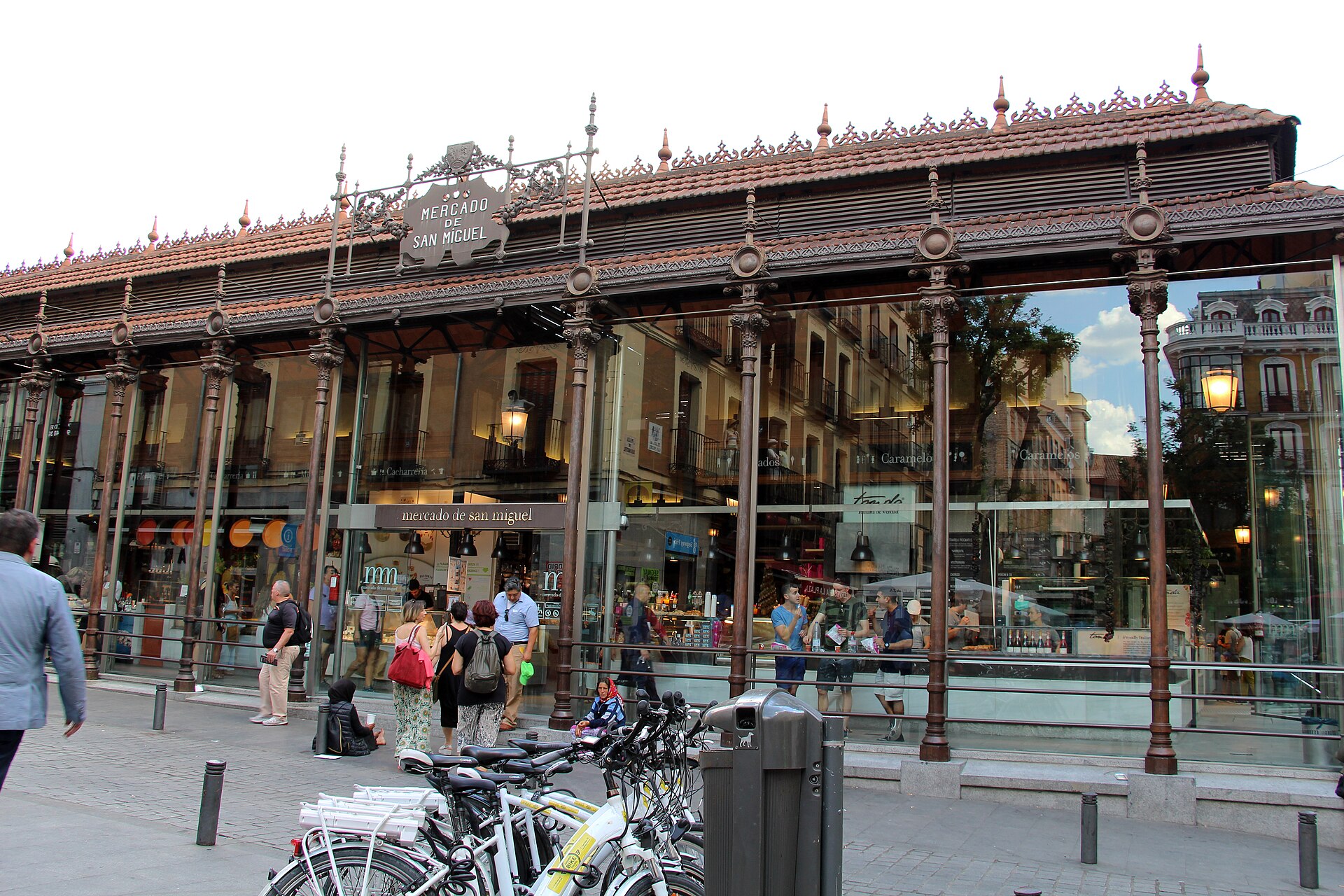
Readers interested in how this dish sits alongside Madrid’s other defining foods — cocido madrileño, the city’s tapa culture, or the daily menú del día — can find those covered separately. The overview of dishes actually associated with Madrid sets churros con chocolate in that wider context, and the Food & Markets section covers the markets and market halls where much of this street-food tradition is still visible today.
Access Madrid is an independent guide written from published, checkable sources. We have not visited the places described here and we do not publish personal recommendations or invented ‘local favourites’ — where something is singled out as notable, we say who says so. Opening times, fares, closures and prices change at short notice, so treat everything here as a starting point and confirm with the museum, operator or venue directly before building a day around it. We give no advice on visas, insurance, health or safety; use your own government’s official guidance for those.
Related reading
Living in Madrid, Madrid, Practically.
Featured image: Photo by RL0919, source, CC BY-SA 4.0
