Vermouth hour — la hora del vermú — is the stretch of late morning into early afternoon, most visibly on Sundays, when Madrid drinks vermouth with a small snack before sitting down to lunch. It is not a fixed clock time so much as a social window that closes when lunch starts, usually somewhere between 1pm and 3pm.
What is vermouth, exactly?
Vermouth is a fortified, aromatised wine: a base wine strengthened with added alcohol and flavoured with a mix of botanicals — wormwood (the plant that gives vermouth its name, via the German wermut), citrus peel, herbs, spices, sometimes caramel for colour. It is typically red (rojo) or white (blanco) and served cold, often over ice, with a slice of orange and an olive.
It is not native to Spain. Vermouth production developed in Italy and France in the 18th and 19th centuries and spread into Spain through Catalonia before becoming a fixture of bar culture nationally. Madrid’s version of the custom is not about a single producer or brand — it is about the ritual of drinking it at a particular point in the day, in company, before eating.
When does vermouth hour actually happen?
Vermouth hour sits in the gap between morning and lunch — roughly midday to 2 or 3pm — and is heaviest on Sundays and public holidays, when the late, unhurried midday meal that structures the Spanish day is at its most relaxed.
This timing only makes sense against Madrid’s wider meal schedule, which runs later than in much of Western Europe. Lunch (la comida) is typically the largest meal and rarely starts before 2pm; dinner routinely starts after 9pm. Vermouth hour is the bridge that fills the late-morning gap — a reason to be out and drinking something before the kitchens properly open. The mechanics of that schedule, and why it holds even for visitors used to earlier meals, are set out in the site’s guide to Spanish meal times in Madrid.
It is sometimes confused with the siesta, but the two are separate customs with separate logic — one is about a midday drink before eating, the other about a post-lunch lull. The site’s explainer on whether the siesta actually applies in Madrid covers how much of that older pattern survives in a working capital city today.
Why is Sunday the main day for it?
Sunday lunch in Madrid is traditionally the week’s slowest, most social meal, and vermouth hour is the run-up to it — a pre-lunch drink taken with family or friends rather than alone, often after a morning spent doing something specific: mass, a walk, or browsing a market.
The clearest example of that pattern is El Rastro, Madrid’s long-running Sunday flea market in the streets around Ribera de Curtidores. The market runs through the morning; as it winds down, the surrounding streets — particularly in and around La Latina — fill with people moving from browsing stalls to standing at a bar with a glass of vermouth, which is precisely the sequence the custom describes. This is a documented civic pattern, not an invented one: El Rastro’s Sunday timing and its proximity to La Latina’s dense concentration of bars are part of the public record of how that corner of the city functions on a Sunday.
.jpg)
What do people eat with it?
Vermouth is drunk with something small and salty rather than a full meal — the point is to bridge the gap to lunch, not replace it. Common accompaniments include olives, potato crisps, mussels or clams in tin or jar (mejillones, berberechos), anchovies, and small savoury snacks served free or cheap alongside the drink.
This overlaps with, but is distinct from, the wider Spanish tapa custom. For how tapas work in Madrid specifically — including the genuinely contested question of whether they are ever free — see what a tapa is in Madrid, and whether it’s ever free. Vermouth-hour snacks tend to be simpler and more standardised than a full tapas spread: they exist to season the drink, not to constitute a meal.
Is vermouth-on-tap a real thing, or a marketing idea?
Vermouth served on tap — vermut de grifo — is a genuine, long-documented serving style in Spain, dispensed from a barrel or pressurised tap rather than poured from a bottle, and it is treated by drinkers as a marker of an establishment that takes the tradition seriously rather than treating vermouth as an afterthought. Bottled vermouth is far more common generally; tap service is the more specialised, tradition-conscious version of it.
Because this site does not visit or rate specific bars, it will not name which Madrid establishments pour vermouth from the tap versus the bottle — that detail changes, and is exactly the kind of first-hand judgement this guide does not make. What can be said reliably is that the practice exists, has a name, and is treated within Spain as a marker of a bar’s commitment to the custom.
Has vermouth hour always been popular, or is this a revival?
Vermouth drinking in Spain has gone through a documented decline and a documented recovery. It was widespread through the mid-20th century, faded in the decades when beer and other drinks took over as the standard bar order, and has been reported in Spanish and international press over the past fifteen to twenty years as undergoing a visible revival, with vermouth reappearing on menus, new producers entering the market, and younger drinkers adopting a custom their grandparents’ generation had treated as routine.
That revival narrative is now common enough in coverage of Spanish drinking habits to be treated as an established pattern rather than a one-off trend piece, though the site does not attribute a specific statistic to it without a named source, since figures here vary by survey and year.
Does vermouth hour matter to residents, or is it mostly for visitors?
It functions as a genuine local habit rather than a staged one. For residents, it is a low-cost, low-commitment way to see people on a Sunday before the main event of lunch — closer in spirit to a coffee catch-up than a night out, and priced accordingly. It does not require booking, dressing for, or planning around in the way a restaurant meal does.
For a visitor, the practical value is in timing: arriving in a neighbourhood like La Latina at midday on a Sunday, rather than at 7pm expecting an evening scene, lines up with when the custom is actually happening. General patterns of when things open and close in Madrid — which affect this as much as anything — are covered in the site’s guide to typical opening hours in Madrid, and a fuller sense of how a Madrid Sunday is generally structured, vermouth hour included, is in the guide to planning around a Sunday in Madrid.
Any practical notes worth knowing before going?
A short list of things that hold true regardless of which bar or which Sunday:
- Vermouth hour is a window, not an event — there is no fixed start or end time, and no institution regulates it.
- It concentrates around lunch, so arriving too late defeats the purpose; by 3 or 4pm most people have moved on to eating.
- Bars serving vermouth as a specialty are more common in older, traditionally residential districts than in areas built up around nightlife alone.
- Payment at small bars is often cash-friendly but increasingly card-capable; the site’s guide to how payments work in Madrid covers what to expect.
- Tipping for a drink and a small snack is not obligatory and, where it happens, is modest — see the site’s guide to how tipping works in Spain for the general rule.
None of this requires fluent Spanish. Ordering “un vermú, por favor” is understood everywhere the drink is served, and the wider question of how much Spanish is genuinely needed for a visit is addressed separately in the site’s guide on how much Spanish you need in Madrid.
Access Madrid is an independent guide written from published, checkable sources. We have not visited the places described here and we do not publish personal recommendations or invented ‘local favourites’ — where something is singled out as notable, we say who says so. Opening times, fares, closures and prices change at short notice, so treat everything here as a starting point and confirm with the museum, operator or venue directly before building a day around it. We give no advice on visas, insurance, health or safety; use your own government’s official guidance for those.
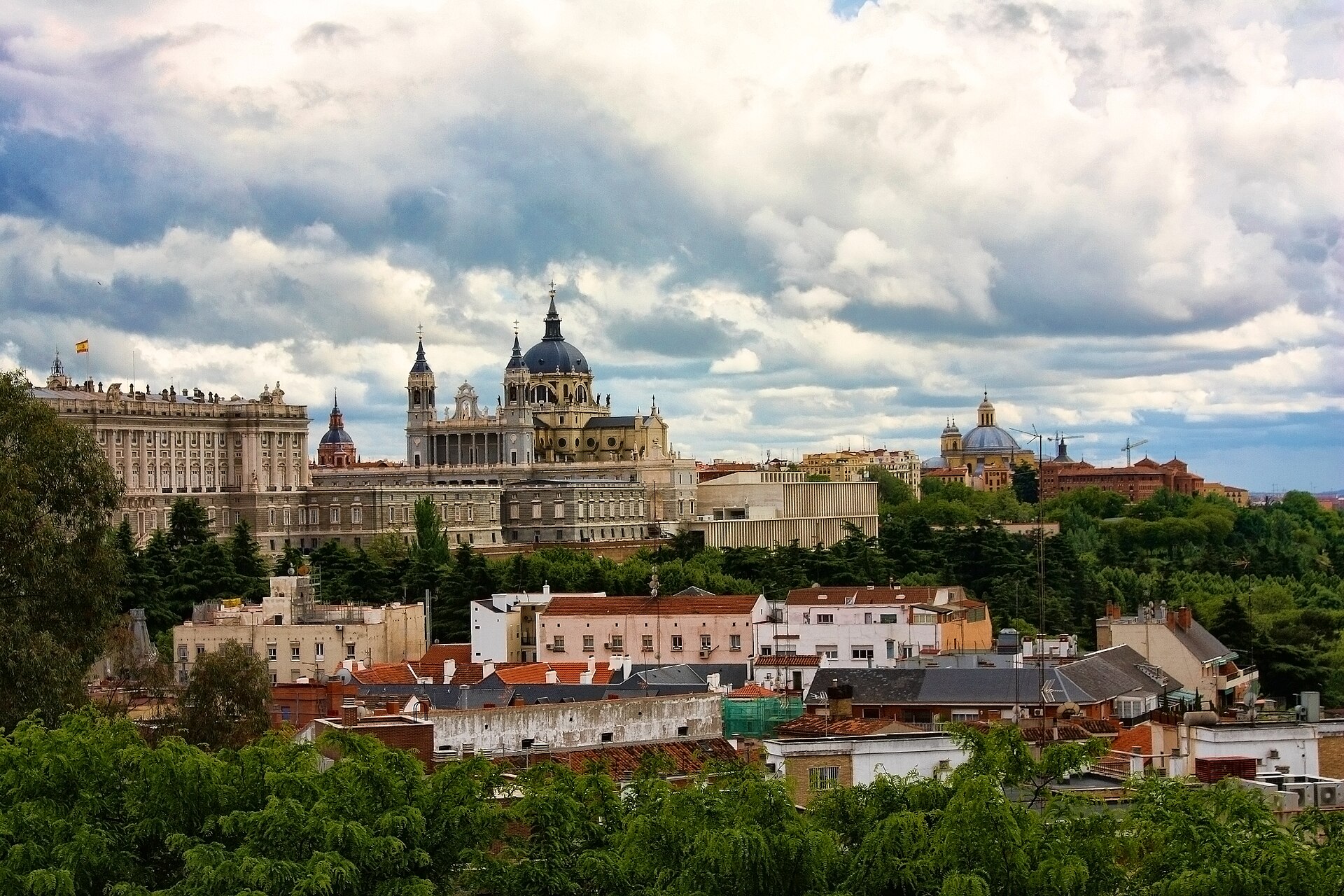
Featured image: Photo by Superchilum, source, CC BY-SA 3.0
