Late spring (April–June) and early to mid autumn (September–October) are generally the most comfortable months in Madrid: temperatures sit in a manageable range, rainfall is low, and the city is not at the extremes of a summer that regularly passes 35°C or a winter with cold nights. Neither season is free of crowds or events, and the right choice depends on what the visit is for.
How hot does Madrid actually get in summer?
Madrid has a continental Mediterranean climate, and its summers are dry and genuinely hot. According to AEMET, Spain’s state meteorological agency, July and August routinely bring daytime highs in the mid-to-high 30s Celsius, with little rainfall and long stretches of clear sky. The city sits on a plateau (the Meseta) at over 600 metres of elevation, which keeps nights slightly cooler than the daytime figures suggest, but the midday and afternoon heat is real and sustained rather than occasional.
This shapes how the city runs in August specifically. Many independent businesses close for part or all of the month, a long-standing pattern of the Spanish summer holiday period, and some residents leave the city altogether. Major national museums generally stay open, but always confirm current hours directly with the institution before visiting in high summer, since some collections adjust their schedules seasonally.
What is Madrid like in winter?
Winter in Madrid is cold by Spanish standards but rarely severe. AEMET data shows January is typically the coldest month, with daytime highs commonly in single digits to low double digits Celsius and night-time temperatures that can drop below freezing, particularly in the outer districts away from the urban centre. Snow is uncommon in the city itself but not unheard of; heavier snowfall is more associated with the Sierra de Guadarrama to the north, a range visible from parts of the city on a clear day.
Winter also brings shorter opening windows for daylight-dependent outdoor sightseeing and darker evenings, but it is a period of lower crowding at major sights and, around the Christmas and New Year period, a distinct set of civic decorations and markets concentrated in the historic centre. Public holidays cluster here too, and many shops, museums and services adjust hours around them — worth checking directly rather than assuming standard hours apply.
Is spring or autumn the better choice?
Both are considered the city’s shoulder seasons, and each has a slightly different character rather than one being objectively superior. Spring (roughly April to early June) brings mild days, blossom in parks such as El Retiro, and the build-up to Easter week (Semana Santa), a major religious observance marked by processions in the historic centre; dates shift each year with the Christian calendar, so confirm them for the specific year of travel. Autumn (September into November) brings a similar temperature range with the added benefit of the “vuelta al cole” period ending — the return-to-school and return-to-work weeks after the August exodus — when the city’s ordinary rhythm, including restaurant and shop openings, resumes fully.
Rainfall is low across the year in Madrid relative to the north of Spain, but AEMET’s data shows a modest secondary peak in autumn, so a spring or autumn trip is not guaranteed dry — simply more temperate.
Does the season affect museums and major sights?
The buildings themselves do not change with the calendar, but visiting conditions do. Madrid’s major state museums — the Prado, the Reina Sofía and the Thyssen-Bornemisza, often grouped as the city’s Golden Triangle of art museums — attract their heaviest footfall in the peak travel months of spring and early summer, and around national holidays. Many national museums in Madrid also operate a free entry window on specific days or hours, a policy set by the Spanish Ministry of Culture rather than by the individual museum, and demand for those slots rises in busier months. It is worth reading how those free entry windows at Madrid’s national museums actually work before planning around one.
One pattern holds regardless of season: most major museums in Madrid close on Mondays, a near-universal convention among Spain’s state-run collections, explained in more detail in this piece on why Madrid’s museums close on Mondays. Anyone building an itinerary around a specific gallery, whether visiting in January or July, needs to check that first. The broader Museums & Galleries section covers individual collections in more depth.
How does the time of year change getting around the city?
The Madrid Metro, Cercanías regional rail and EMT bus network run on the same fare structure year-round, and the Madrid Metro fare system does not shift seasonally the way ticket demand for sights does. What changes is comfort and crowding: metro carriages and central bus routes are noticeably fuller during peak summer tourist weeks and around major public holidays, and August sees a partial thinning of commuter traffic as residents travel. Anyone visiting for an extended stay, including students arriving for the academic year, should look at how the Abono Joven travel pass is structured, since eligibility and validity periods are tied to age and residency rather than to season. The Getting Around hub covers the wider transport network, including night buses and bike share, both of which see heavier late-evening use in the warmer months when outdoor social hours run later.
What about heat, walking and outdoor time in summer?
Central Madrid is a genuinely walkable, densely built city, but its historic core has relatively little continuous shade, and a summer midday walk between, say, the Palacio Real and Retiro Park covers real distance in direct sun. The practicalities of covering that ground are set out in how walkable central Madrid actually is. Many residents shift their own daily rhythm in summer, doing outdoor activity in the morning or after early evening once the heat breaks, and visitors touring on foot in July or August tend to find the same adjustment useful, particularly around midday.
Do festivals and events change what time of year is best?
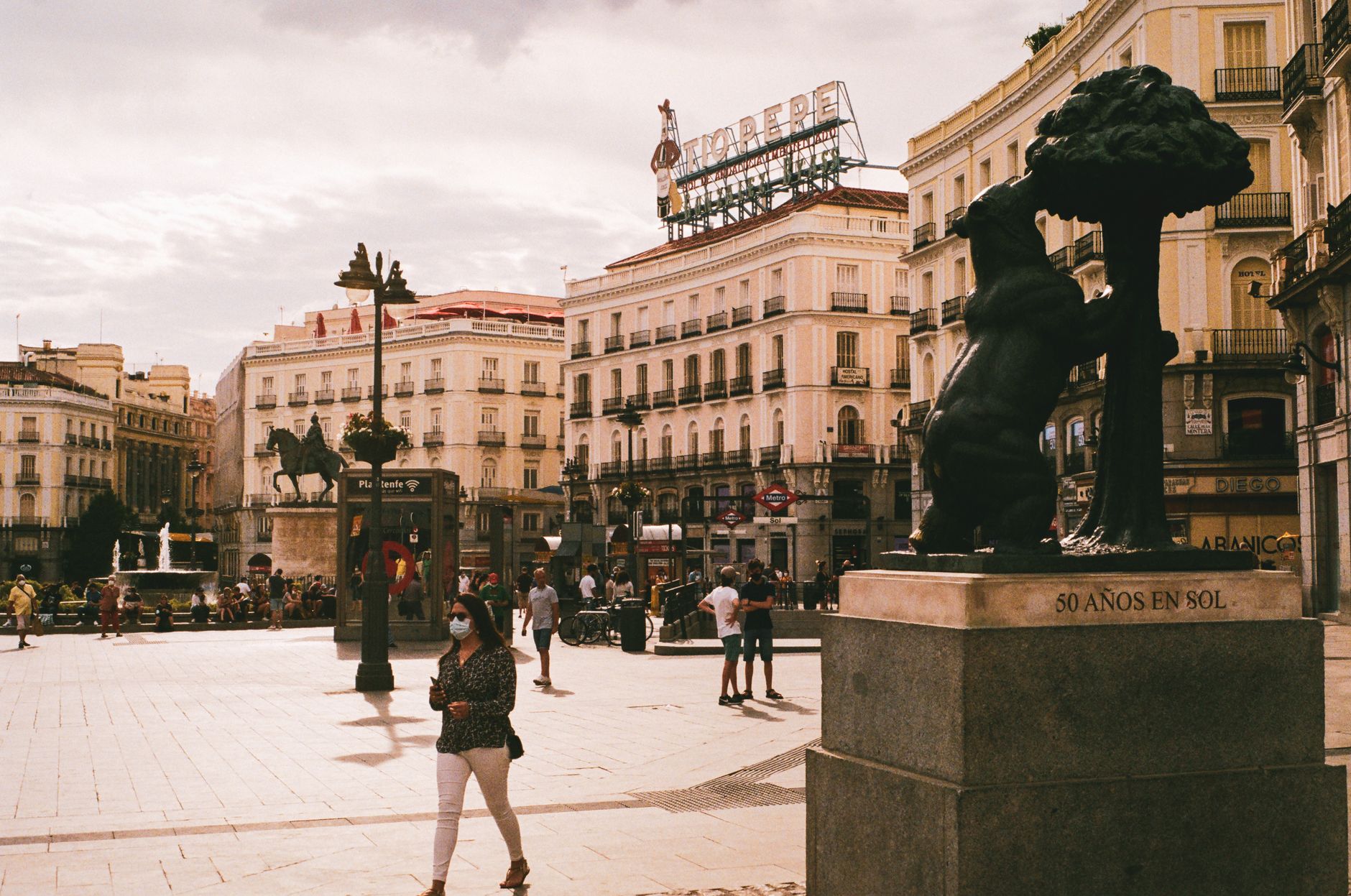
Madrid’s calendar has a set of recurring civic and cultural fixtures rather than a single “best” event window. San Isidro, the city’s patron saint festival, falls in mid-May and brings traditional dress, open-air events and a heavier concentration of activity in the historic centre, particularly around La Latina and the districts covered in the Neighbourhoods archive. Summer brings a run of open-air cultural programming across parks and squares, while December brings the Christmas lighting and market period concentrated around Gran Vía, Puerta del Sol and Plaza Mayor. Because exact dates move year to year and are set by the Ayuntamiento de Madrid (Madrid City Council) or by the specific organising body, always confirm current dates through the council’s own tourism channel, esMadrid, the official Madrid tourism site, rather than relying on a fixed calendar.
Is the best time to visit different for residents than for visitors?
Largely yes, and it is worth being honest about that split. A visitor optimising for comfortable walking, shorter museum queues and moderate hotel demand does best in April–June or September–October. A resident’s calendar runs on different logic: August is the month the city empties out and slows down, useful for anyone who actually lives here and wants quieter streets and lighter metro trains, even though it is also when many local businesses close for holiday. Understanding how the city’s districts function day to day — covered across pages like how Madrid is divided into districts and barrios and the entry on the central Retiro district beyond its park — matters more to someone living with the seasonal rhythm than to someone passing through it for a week.
There is no single correct month. The honest answer is that spring and early autumn offer the most reliable balance of weather and normal city function, summer offers longer daylight and a livelier outdoor evening culture at the cost of serious heat, and winter offers low crowds and a specific civic calendar around the December holidays. Each is verifiable in advance through AEMET’s climate data and the city’s own event announcements, rather than through any single fixed recommendation.
Access Madrid is an independent guide written from published, checkable sources. We have not visited the places described here and we do not publish personal recommendations or invented ‘local favourites’ — where something is singled out as notable, we say who says so. Opening times, fares, closures and prices change at short notice, so treat everything here as a starting point and confirm with the museum, operator or venue directly before building a day around it. We give no advice on visas, insurance, health or safety; use your own government’s official guidance for those.