How Much Spanish Do You Need in Madrid? A Clear Answer

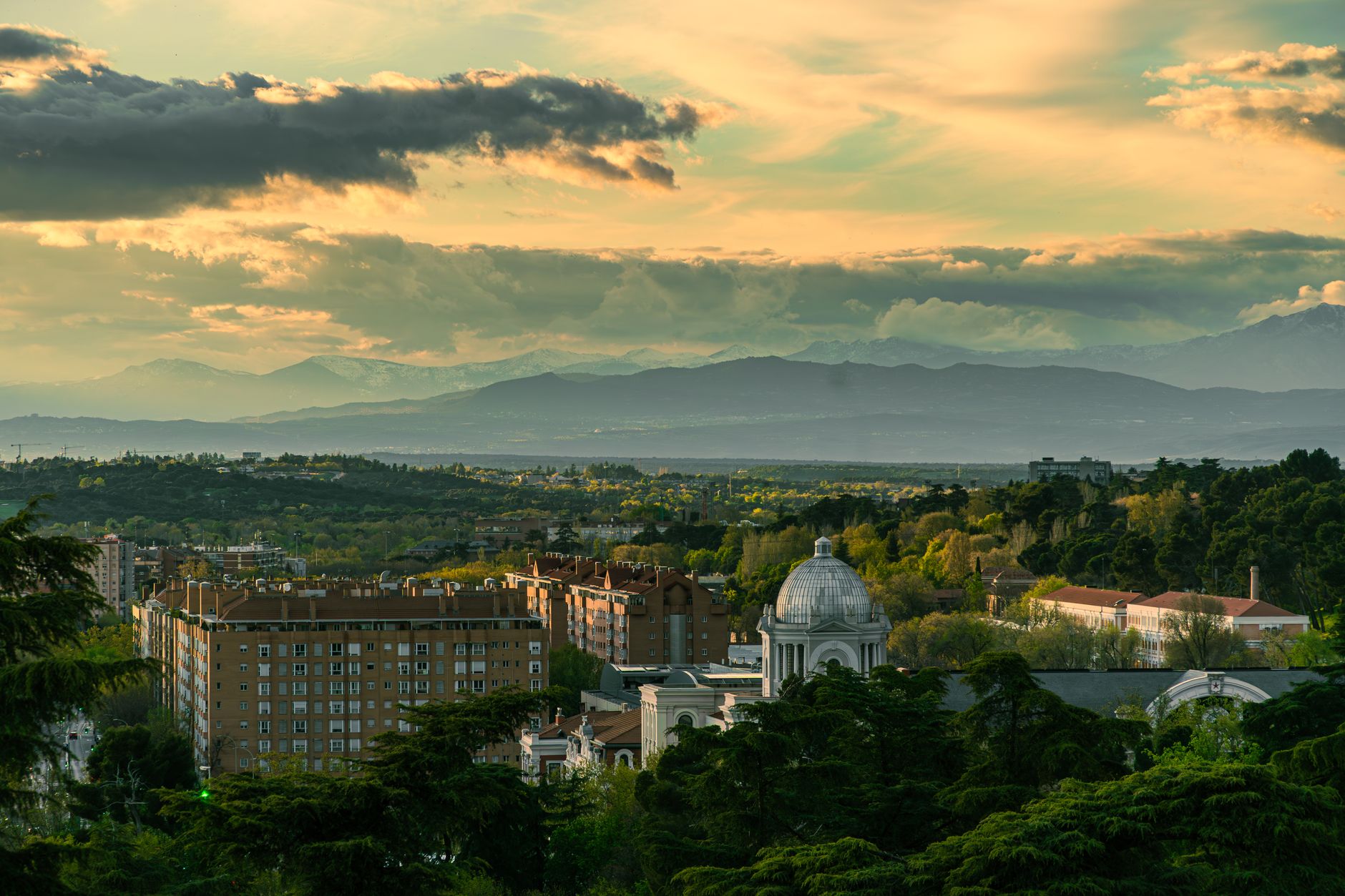
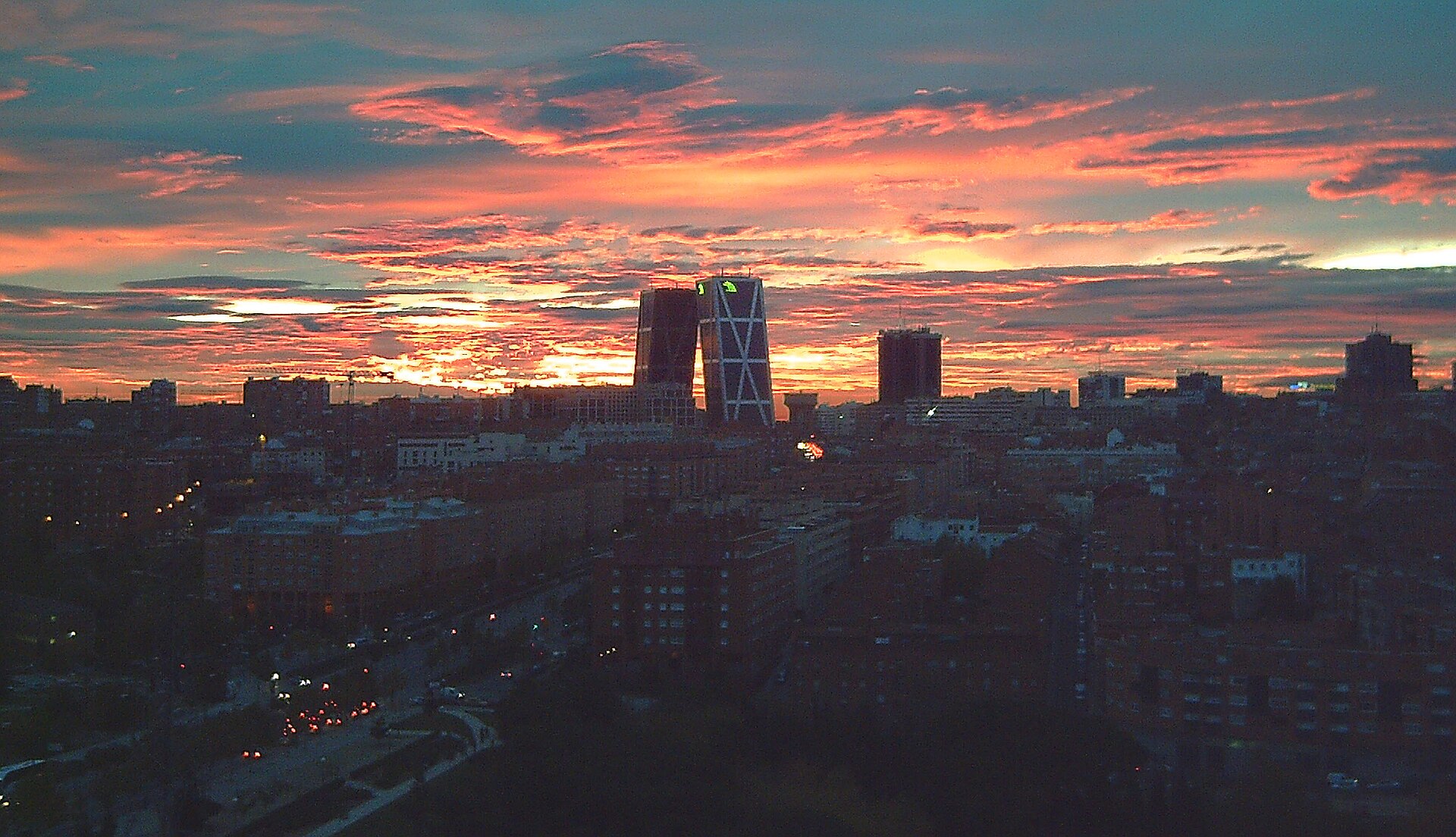
Panoramic view of Madrid's urban landscape with mountains and a dramatic sky at dusk. — illustrating How Much Spanish Do You Need in Madrid? A Clear Answer

For a visit of a few days in central Madrid, very little Spanish is required: transport machines, museum signage and most hospitality staff in tourist areas operate bilingually. For anyone staying weeks or settling permanently, functional Spanish becomes necessary — for bureaucracy, healthcare, banking and daily life in districts where English is not routinely spoken. … Read more

What Is San Isidro, and Roughly When Does It Fall?

San Isidro, Nueva Ecija in Poblacion 31.jpg — illustrating What Is San Isidro, and Roughly When Does It Fall?

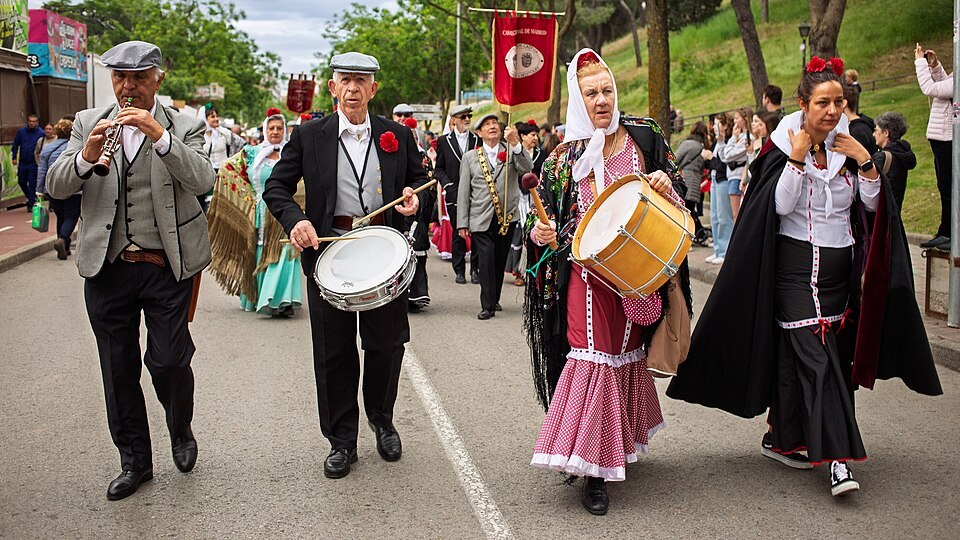
San Isidro is Madrid’s festival for its patron saint, Isidro Labrador. It centres on 15 May each year, though the associated events — open-air dances, traditional dress, a bullfighting season and a pilgrimage to a meadow by the Manzanares — spread across several days around that date. It is a religious feast day that became … Read more

Which Public Holidays Close Things in Madrid?

Madrid "Skyline" (6271697759).jpg — illustrating Which Public Holidays Close Things in Madrid?

Public holidays in Madrid close shops, government offices and most banks, and put museums and public transport onto reduced or Sunday-style schedules. They do not usually close restaurants, bars or major tourist sites, which tend to treat a holiday as a normal — sometimes busier — trading day. Why does Madrid have so many different … Read more

Typical Opening Hours in Madrid: A Practical Guide

Edificios Skyline Madrid 01.jpg — illustrating Typical Opening Hours in Madrid: A Practical Guide

Madrid runs on a later, split daily rhythm than most northern European cities: many shops close for two or three hours in the early afternoon, restaurants rarely serve dinner before 8:30pm, and museums typically open mid-morning and close in the early evening, with one late night a week and free entry windows near closing. Hours … Read more

Does the Siesta Actually Apply in Madrid? A Clear Answer

(Calle Salustiano Olózaga, Madrid) exterior black and white photograph of an antique building.jpg — illustrating Does the Siesta Actually Apply in Madrid? A Clear Answer

Not in the sense most visitors imagine. Almost nobody in Madrid stops work to sleep in the afternoon. What does survive is a structural midday pause: many small shops and some offices close for two or three hours around lunch, restaurants shift their whole schedule later, and the city’s rhythm bends around a long midday … Read more

Spanish Meal Times in Madrid: How They Reshape a Day

A man walks through cobblestone streets of Madrid at twilight, capturing urban life's essence. — illustrating Spanish Meal Times in Madrid: How They Reshape a Day

Spanish meal times in Madrid run roughly two to three hours later than in most of northern Europe: lunch typically falls between 2pm and 4pm, dinner rarely starts before 9pm, and the gap is filled by a mid-morning coffee and a late-afternoon merienda. The whole civic day — work, shops, transport, socialising — is built … Read more

What Happens to Madrid in August? A Clear Guide

Stunning view of the Royal Palace of Madrid bathed in golden sunlight with pedestrians and classic streetlights. — illustrating What Happens to Madrid in August? A Clear Guide

In August, a large share of Madrid’s resident population leaves the city for the coast or their home towns, many small businesses close for two to four weeks, daytime heat regularly pushes into the mid-to-high 30s Celsius, and the pace of the city slows noticeably — while museums, major monuments and public transport keep running … Read more

What Is Madrid’s Climate Like Through the Year?

Evening view of the Christmas tree at Puerta del Sol in Madrid, Spain. — illustrating What Is Madrid’s Climate Like Through the Year?

Madrid has a continental Mediterranean climate: summers are hot and dry with very low humidity, winters are cold with sharp overnight drops, and rain concentrates mostly in spring and autumn. The gap between day and night temperature is unusually wide for a European capital, and it shapes how the city runs its hours. What kind … Read more

When Is the Best Time of Year to Visit Madrid?

Vibrant facade of the iconic building at Puerta del Sol, Madrid, under a bright blue sky. — illustrating When Is the Best Time of Year to Visit Madrid?

Late spring (April–June) and early to mid autumn (September–October) are generally the most comfortable months in Madrid: temperatures sit in a manageable range, rainfall is low, and the city is not at the extremes of a summer that regularly passes 35°C or a winter with cold nights. Neither season is free of crowds or events, … Read more

About what you read here. Access Madrid is an independent guide written from published, checkable sources — museum and transport operators’ own information, official city and tourism data, and the public record. We have not visited the places we write about, and we do not publish personal recommendations or invented “local favourites”. Where we point to something notable we say who says so.

Opening times, fares, closures and prices change, often at short notice. Everything here is a starting point, not a booking confirmation — always check the venue’s or operator’s own site before you build a day around it. We are not a travel agency and we give no advice on visas, insurance, health or safety requirements; for those, use your own government’s official guidance.