What Is Cycling in Madrid Actually Like?
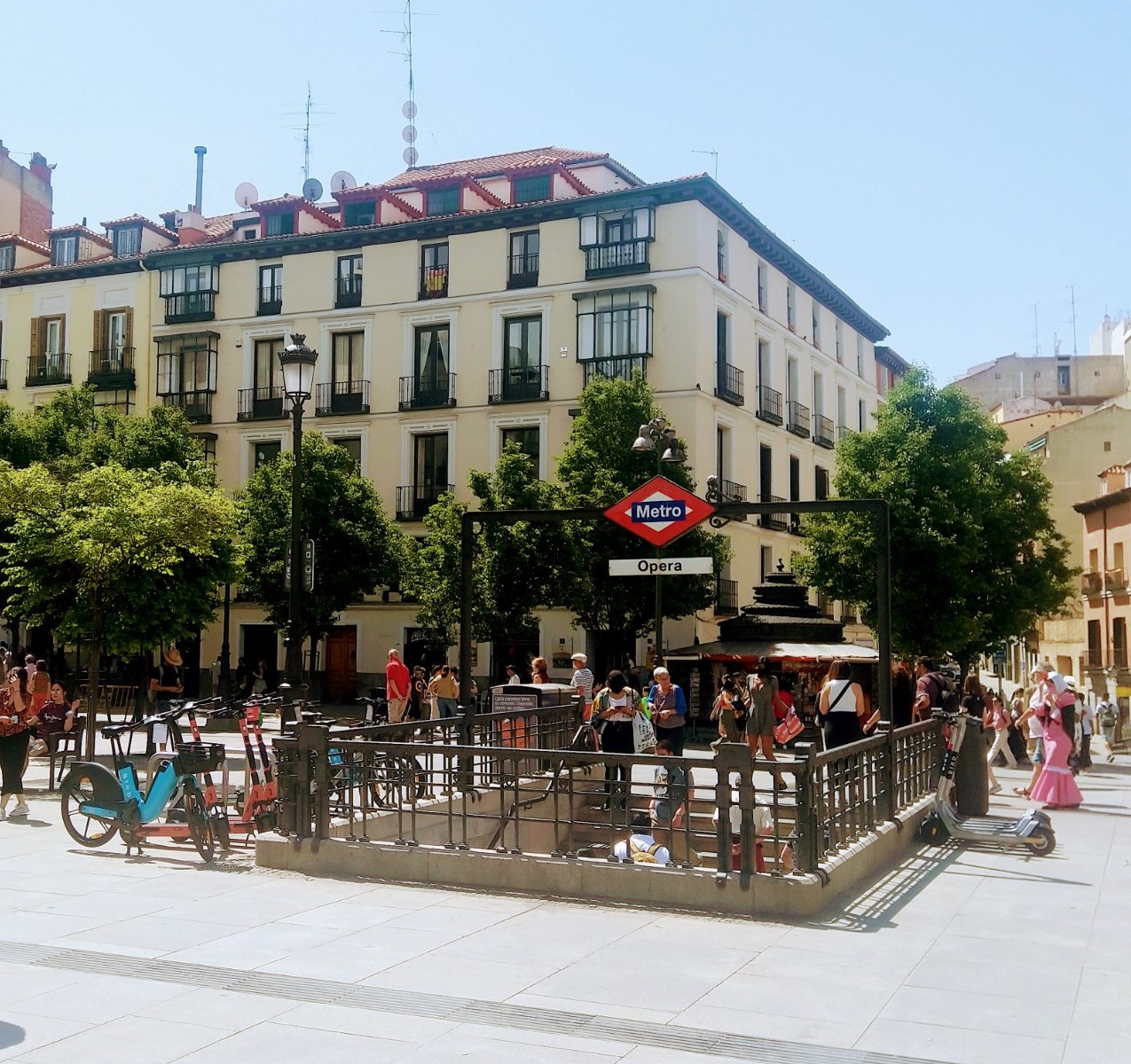
Street entrance to the Ópera metro station in Madrid

Cycling in Madrid is possible but not effortless: the city sits on a plateau with real gradients, especially between the river and the centre, and its cycling infrastructure is improving but still patchy. A public bike-share scheme, a growing network of lanes, and a large low-emission zone all shape how riding actually works here. How … Read more
How Does Madrid’s Cost of Living Compare With Spain?

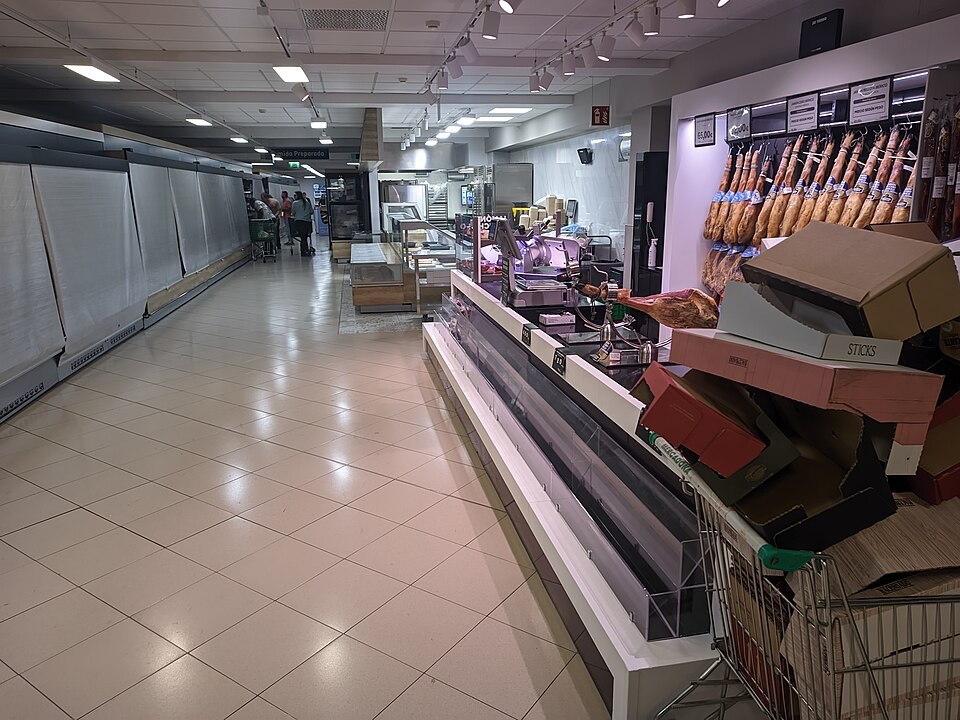
A supermarket aisle in Madrid

Madrid is more expensive than most of Spain, but not uniformly so: housing and rents sit well above the national average, while some everyday costs — transport, a menú del día, utilities — track closer to the average once wages are factored in. The gap is largest in rent, smallest in groceries. Is Madrid the … Read more

How Does Madrid’s School System Actually Work?

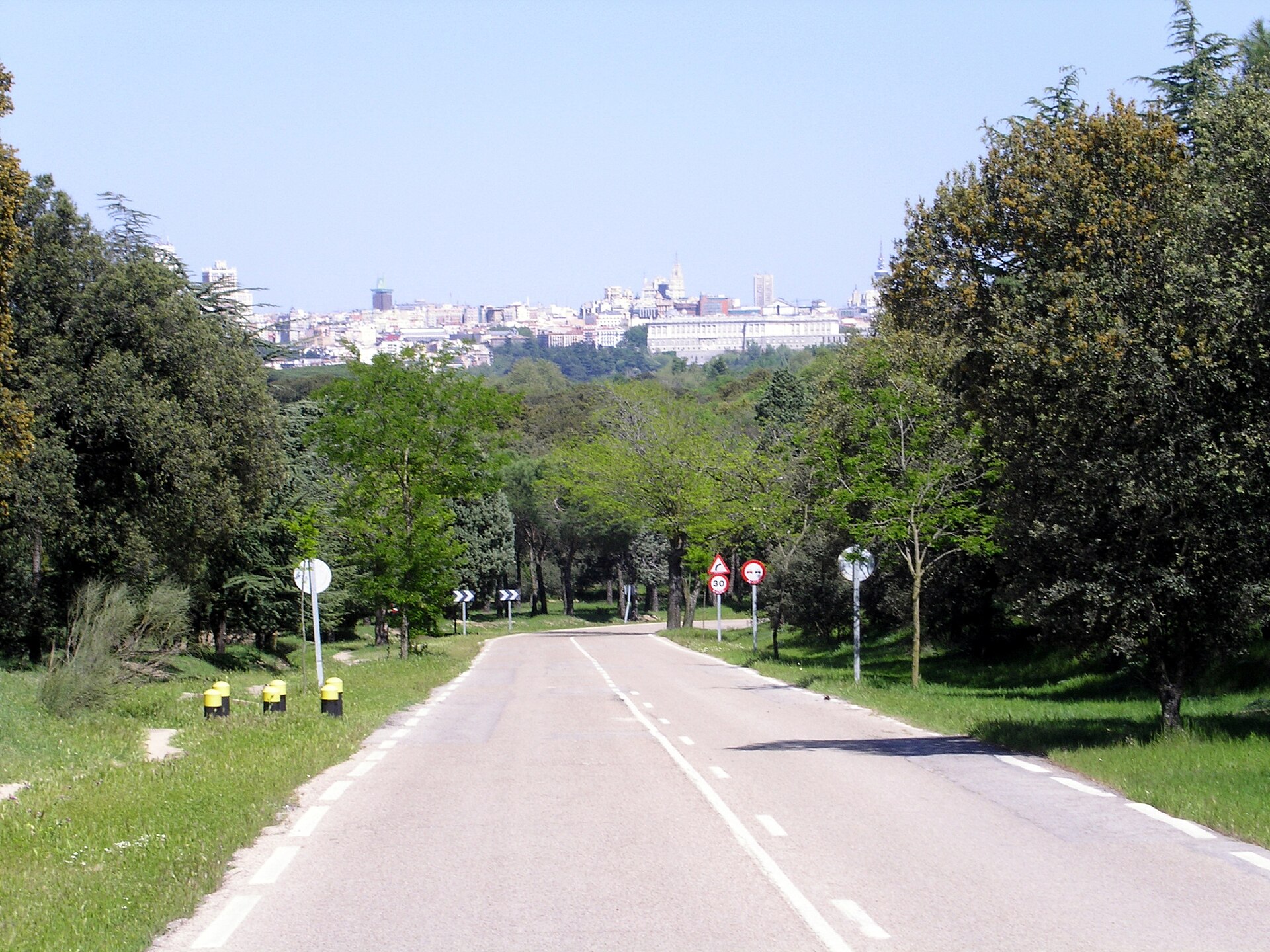
The Madrid skyline seen from the Casa de Campo

Madrid’s school system runs on three parallel tracks — fully public, state-subsidised (“concertado”), and fully private — all following the same national curriculum framework, and it is organised by the regional government, the Comunidad de Madrid, which administers admissions, school zoning and much of the day-to-day funding. How is schooling structured, stage by stage? Spain’s … Read more

How Do Utilities Work in a Madrid Flat? A Clear Guide

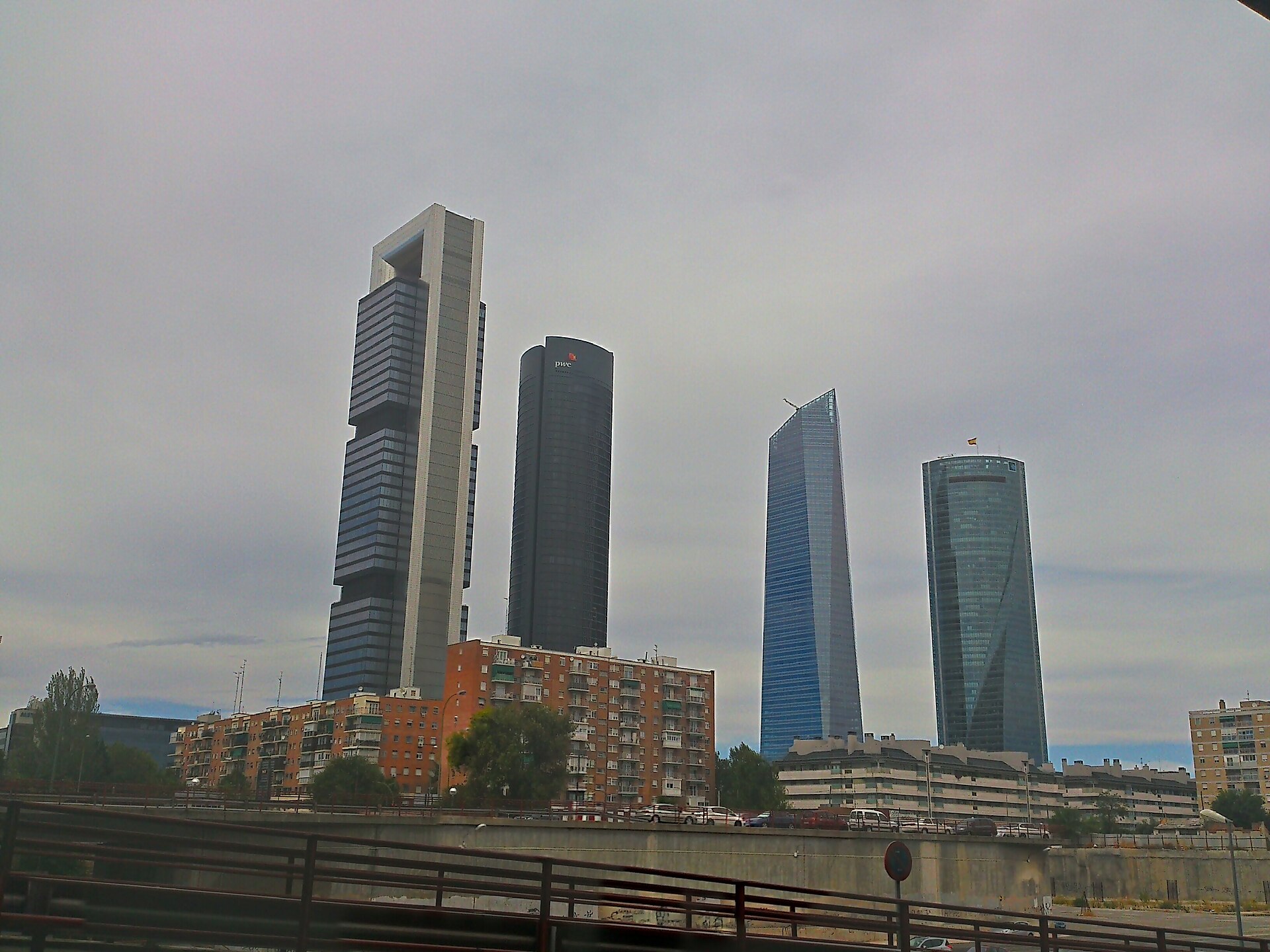
Madrid skyline with the four business towers of Cuatro Torres

A Madrid flat typically has four separate arrangements to manage: electricity and gas (bought from a retail supplier of the tenant’s choosing, delivered over a fixed network), water (billed by the regional public company), internet (a separate consumer contract), and a community fee (paid to the building, not a utility company). Each is set up … Read more

What Is the NIE in Madrid, and What Is It Needed For?

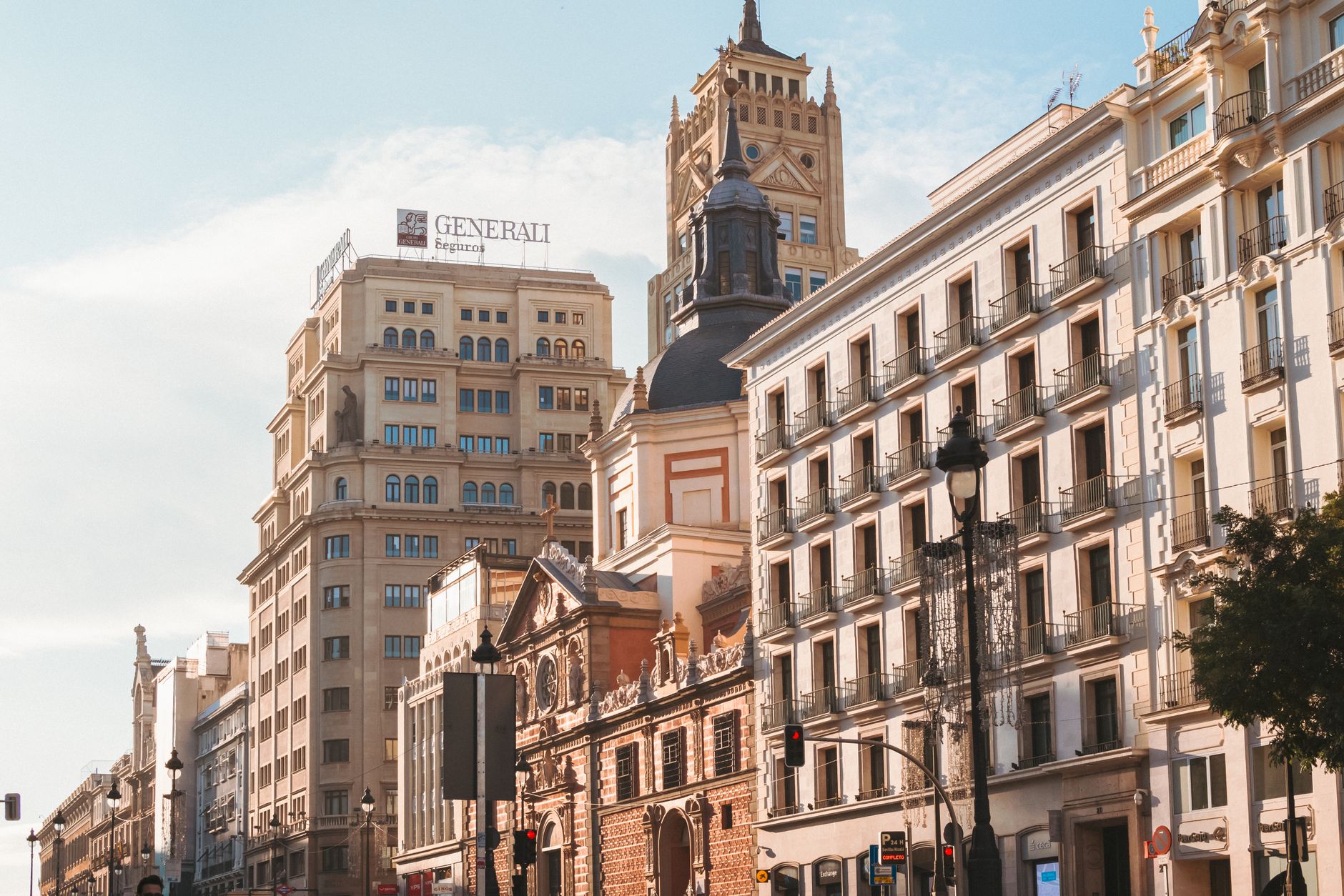
A sunny street scene in Madrid showcasing historic architecture and modern buildings

The NIE — Número de Identidad de Extranjero, or Foreigner Identity Number — is a fixed personal number the Spanish state assigns to any non-Spaniard who needs to be identified for legal, tax, or administrative purposes. It does not grant residency or work rights on its own. It is the number that other institutions attach … Read more

How Does Healthcare Access Work for Residents in Madrid?

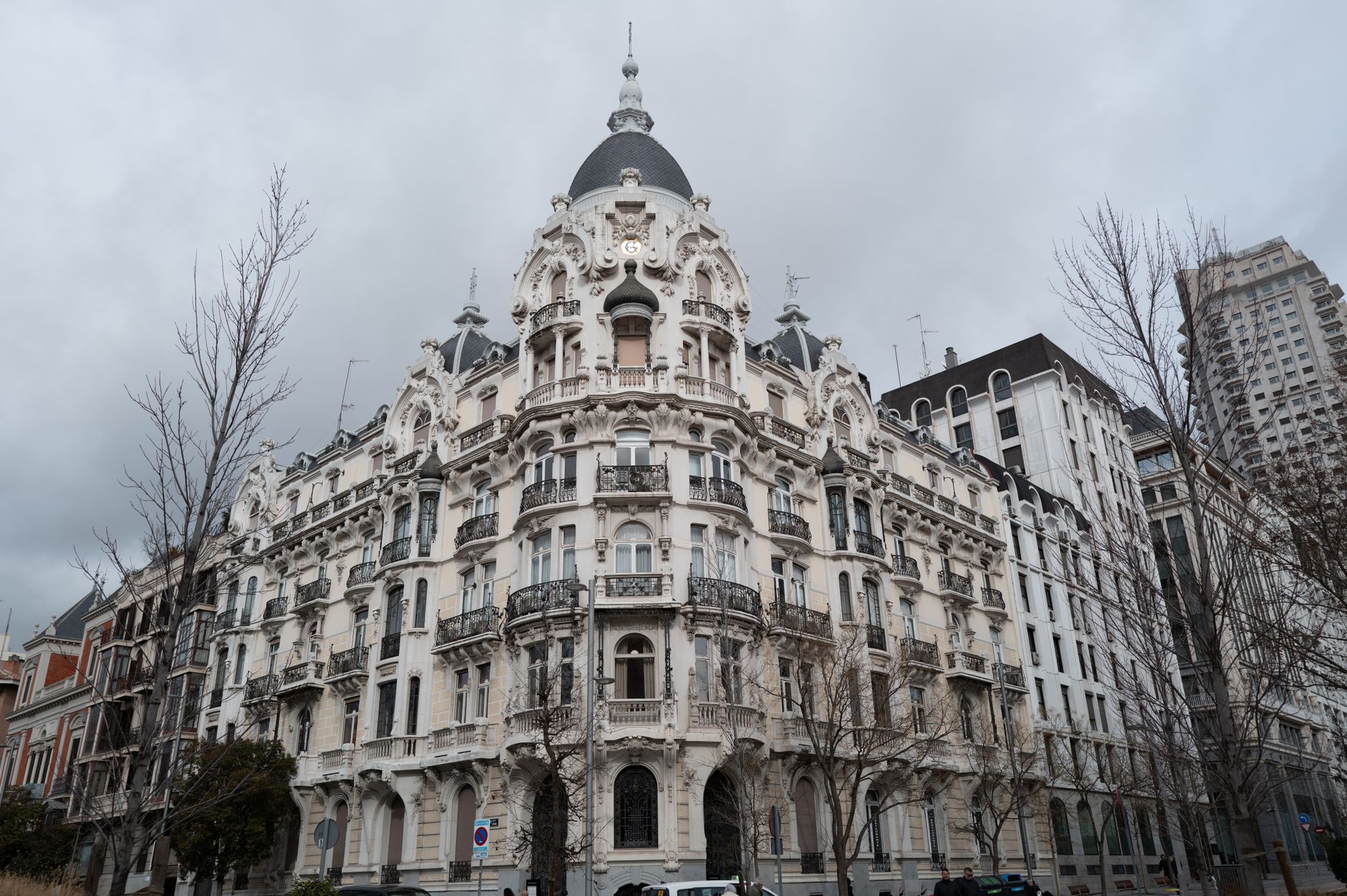
A view of the historic Edificio Grassy in Madrid showcasing its ornate architecture and urban setting

Healthcare access in Madrid for residents runs through a regional public system, the Servicio Madrileño de Salud (SERMAS), which is linked to registration on the local padrón and to Spain’s national social security framework. Registered residents are assigned a health centre and a tarjeta sanitaria; private insurance runs alongside this as an optional, paid layer. … Read more

What Is Empadronamiento in Madrid, and Why Does It Matter?

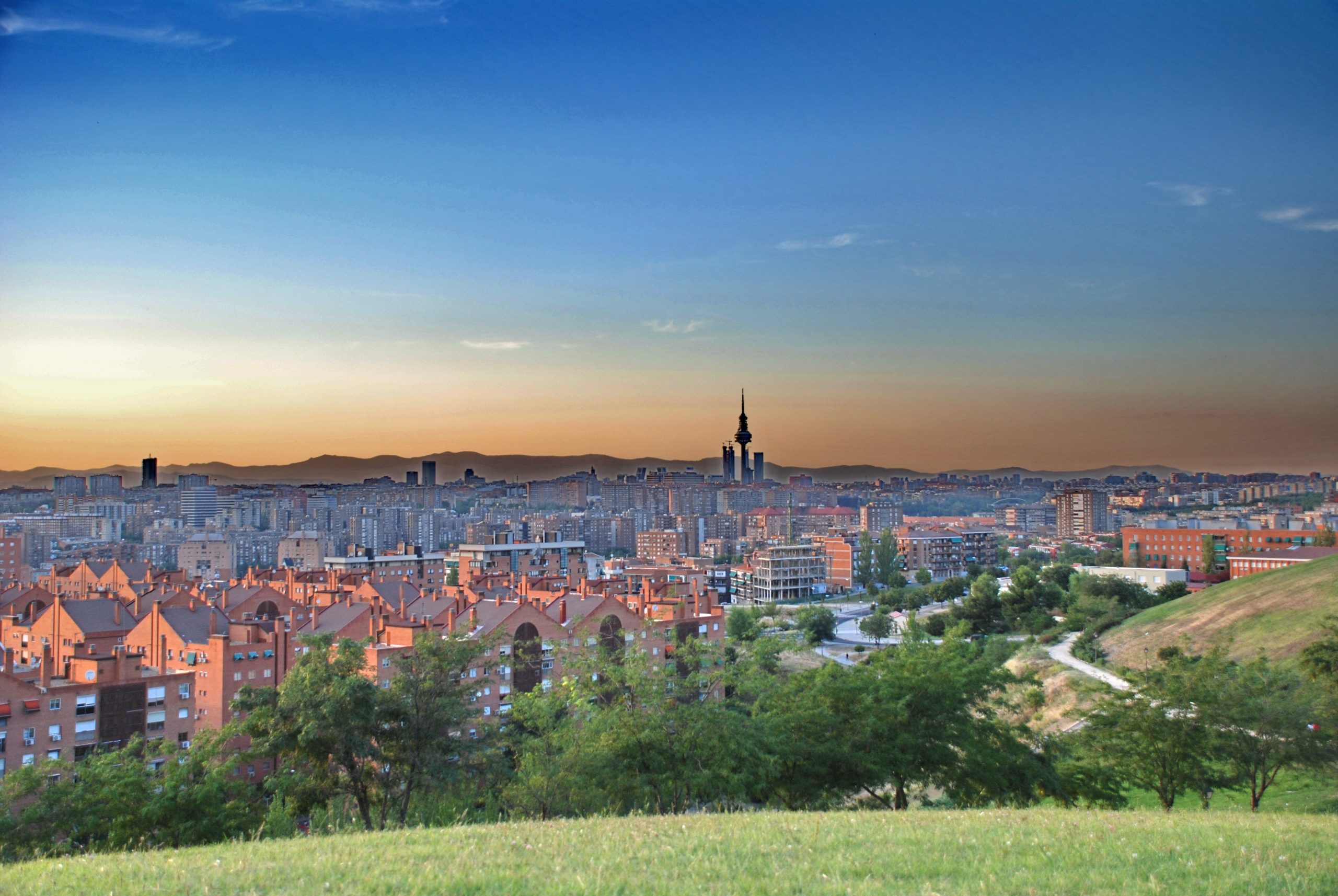
Madrid SkyLine - Cerro del Tío Pío

Empadronamiento is registration on the padrón municipal, the population register that Madrid’s city council (the Ayuntamiento) keeps for every address within its boundaries. It is not an immigration procedure and does not confer or depend on legal residency status. It matters because it is the standard proof of where someone actually lives, and a wide … Read more

How Does Renting a Flat in Madrid Actually Work?

Warm sunset over a classic Madrid street lined with historic buildings and trees, capturing urban charm

Renting a flat in Madrid means signing a contract governed by Spain’s national tenancy law, paying a deposit that is usually lodged with the regional government rather than kept by the landlord, and registering your address with the local council. The process is largely standardised, but the paperwork and the pace of the market differ … Read more

Madrid’s Districts: What Are They Like to Live In?

Elegant historic buildings and ornate balconies in a vibrant Madrid street scene

Madrid’s districts differ mainly by three things: distance from the centre, the year most of the housing was built, and how directly they connect to the metro and Cercanías rail network. Central districts are dense, older and expensive; outer districts are larger, newer and cheaper, with living standards that depend heavily on which transport line … Read more

How Do You Reach Madrid’s Day-Trip Towns by Public Transport?

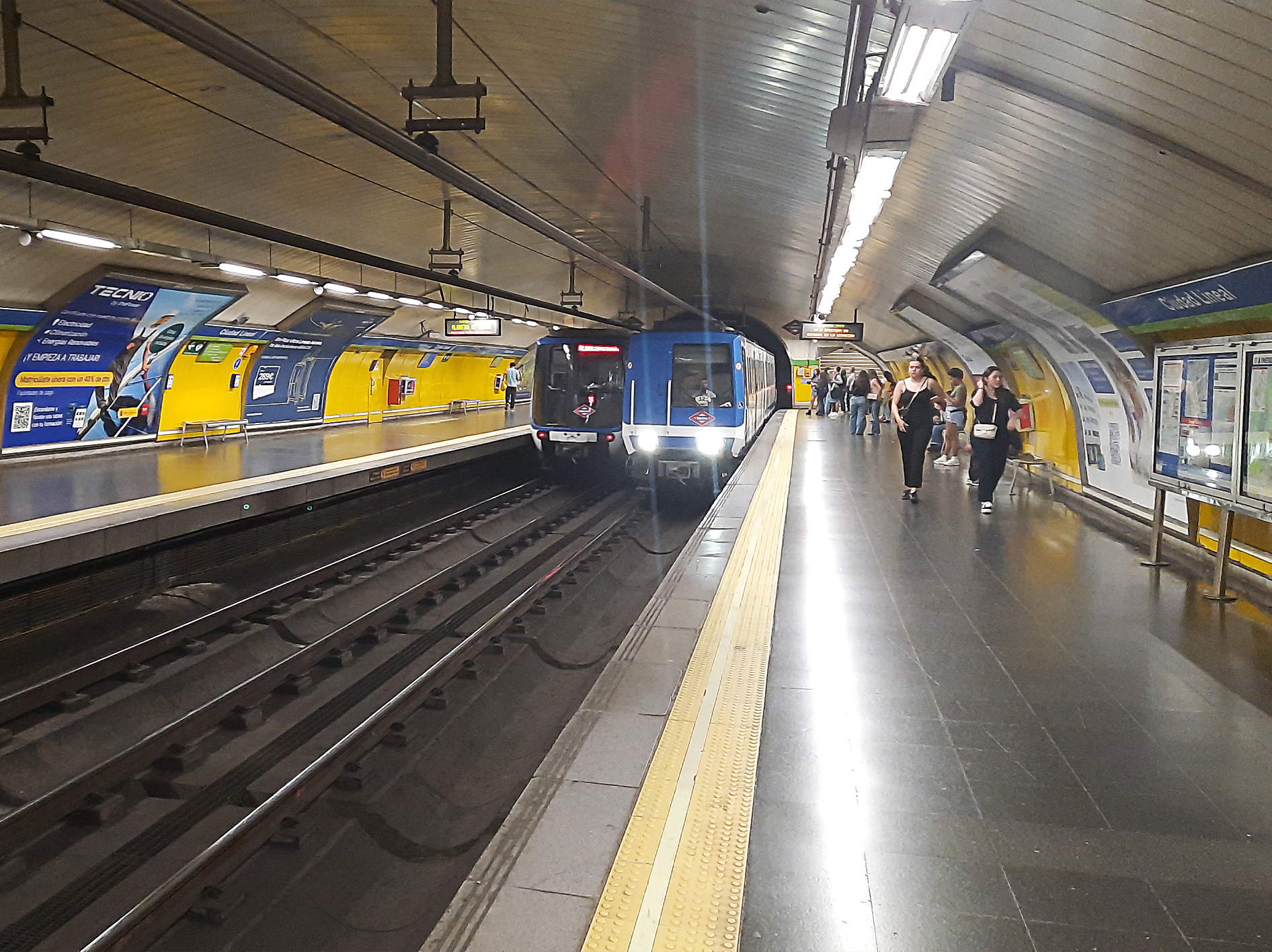
Platform of Ciudad Lineal station on Madrid Metro Line 5

Most of Madrid’s day-trip towns are reached by one of three systems: the Cercanías regional rail network, longer-distance Renfe trains (including the AVE), or intercity coach services from Madrid’s bus stations. Which system applies depends on the town — some have no rail link at all and are bus-only. What is the difference between Cercanías … Read more

About what you read here. Access Madrid is an independent guide written from published, checkable sources — museum and transport operators’ own information, official city and tourism data, and the public record. We have not visited the places we write about, and we do not publish personal recommendations or invented “local favourites”. Where we point to something notable we say who says so.

Opening times, fares, closures and prices change, often at short notice. Everything here is a starting point, not a booking confirmation — always check the venue’s or operator’s own site before you build a day around it. We are not a travel agency and we give no advice on visas, insurance, health or safety requirements; for those, use your own government’s official guidance.