For most people living in Madrid and using public transport several times a week, yes. The Abono Transporte is a flat-rate monthly or annual travel pass covering metro, buses and Cercanías trains within a zone, so the cost stays fixed regardless of how many trips are taken — it only stops being worth it for someone who travels on foot or by bike most of the time and rides only occasionally.
What Exactly Is the Abono Transporte?
The Abono Transporte is the regional travel pass issued by the Consorcio Regional de Transportes de Madrid (CRTM), the public body that coordinates fares and services across the Madrid region. It is not a metro-only product: a single pass covers the Metro de Madrid network, EMT city buses, the interurban bus network that reaches towns outside the capital, and Cercanías commuter trains, all within whichever zone the pass is bought for.
This is the detail that distinguishes it from a simple metro ticket. A resident who lives near a Cercanías line and commutes into the centre, or who mixes bus and metro on a daily route, uses one physical card for all of it rather than buying separate tickets for each network. The mechanics of how metro fares themselves are structured — zones, ticket types, single fares — are covered in more detail in the guide to the Madrid metro fare system, and how Cercanías fits alongside the metro is explained separately in the comparison of Cercanías and Metro.
How Is the Fare Zoned, and Why Does That Matter?
The Abono is priced by zone, and the zone a resident needs depends on where they live and work, not on how much they travel. Zone A covers the municipality of Madrid itself. Zones B1, B2, B3 and C extend outward into the wider region, reaching towns in the Comunidad de Madrid and, in the case of Zone C, further out still.
A resident living inside the city and working inside it needs only a Zone A pass. Someone commuting in from a town in the outer region needs a pass that covers their home zone plus everything inward from it, since the CRTM’s zonal system is cumulative — a wider zone always includes the ones closer to the centre. This is a meaningful cost variable: two residents both holding an Abono can pay quite different amounts depending on where they live, which is one reason the zone, not the pass itself, is the first thing to check against CRTM’s own fare tables.
How Does the Cost Actually Compare to Pay-Per-Ride?
The comparison depends on trip volume, and CRTM publishes the current monthly price for each zone on its own site — the specific euro figure changes periodically, so it should be confirmed there rather than assumed from anything published elsewhere, including here.
The structural point is more durable than any single price: a monthly Abono is priced as a flat sum, while single tickets and the 10-trip Multi card are priced per journey, with the Multi card giving a modest discount per ride over a single ticket. For someone making two trips a day, most weekdays, the arithmetic tends to favour the Abono once trip count crosses a fairly low threshold — commonly somewhere around 20 to 25 single-fare-equivalent trips a month, though the exact break-even point moves whenever fares are revised. A reader wanting the mechanics of the alternative card is better served by the explanation of the Multi card versus the Abono, which sets out how the pay-per-ride card actually works.
Who Is the Abono Actually Worth It For?
It tends to make clear financial sense for anyone with a regular commute, a daily school run, or a routine that involves the metro or bus most weekdays regardless of the exact number of trips. The pass removes the need to think about cost per journey at all, which matters for anyone using transport as a default rather than a fallback.
- Residents commuting daily between home and work or study, especially across zones.
- Households where transport is the main way of moving around a given district, rather than walking or cycling.
- Anyone combining several networks in one day — bus to a metro station, metro into the centre, occasionally Cercanías out to a suburb — since the Abono removes separate fares for each.
It is worth less to someone working from home most days, living in a central district where most destinations are walkable, or relying mainly on cycling as the everyday transport mode. How walkable a resident’s own daily routine actually is depends heavily on which part of the city they live in — the guide to Madrid’s districts sets out how that varies from the dense, walkable centre to more spread-out outer districts where a car or transport pass carries more weight.

What About Younger or Older Residents?
CRTM operates discounted versions of the Abono for specific age groups, most notably a youth pass for residents under a certain age threshold, priced well below the standard adult rate and valid across the same networks. The details of eligibility, current pricing and what it covers are set out in the explanation of the Abono Joven. There are also reduced-rate passes for older residents and other categories set by CRTM, which change periodically enough that they are best confirmed directly with the operator rather than assumed.
For a family working out whether a child’s daily school transport justifies a youth pass versus single fares, the same trip-volume logic applies as for adults: a pass pays off once regular use is established, and costs more than necessary for occasional trips.
Does It Cover the Airport, or Night Buses?
The Abono covers ordinary metro and bus travel within its zone, but travel to and from Adolfo Suárez Madrid–Barajas Airport carries a supplement on the metro that applies regardless of what kind of ticket or pass a passenger holds, including the Abono. That supplement, and how it works, is explained separately in the guide to the Madrid metro airport supplement.
Night buses — the búho network that runs after the metro closes — are operated by EMT and are generally covered by a valid Abono in the same way daytime EMT routes are, though the wider EMT network and how it fits with the metro is worth understanding on its own terms via the guide to the EMT bus network.
How Does a New Resident Actually Get One?
The Abono is issued on a physical or virtual Transporte Público de Madrid card, obtainable through CRTM’s own points of sale, some metro stations, and increasingly through a mobile app that CRTM operates directly. A photo and basic personal details are generally required for the personalised card, since the pass is tied to an individual rather than being transferable like a single ticket. Because the registration process, accepted documents and current online options are the kind of detail that changes, the CRTM website itself is the only source that should be treated as current.
For someone newly arrived and still settling administrative basics — registering an address, sorting a NIE, opening a bank account — transport is usually one of the more straightforward pieces, but it sits alongside a longer list of things a new resident typically has to establish. The hub on living in Madrid lays out how those pieces connect, and the Getting Around archive covers the transport system network by network for anyone building a fuller picture before committing to a pass.
Is There a Simple Rule of Thumb?
If transport is used most weekdays for a commute, school run or regular routine, the Abono almost always costs less over a month than paying per trip, and it removes the friction of topping up a card. If transport is occasional — a few trips a week, mixed with walking or cycling — the pay-per-ride Multi card usually works out cheaper and carries no ongoing commitment.
The only number that actually settles the question is the current monthly price for the relevant zone against the reader’s own real trip count, both of which are worth checking directly on the Consorcio Regional de Transportes de Madrid’s own site before deciding, since CRTM is the sole authority on current fares, zones and eligibility.
Related reading
getting around, planning, itineraries, food and green space, museums, landmarks, neighbourhoods and day trips, What Is Toledo, and Why Is It Madrid’s Classic Day Trip?, What Is Cycling in Madrid Actually Like?, Madrid Airport to the City Centre: What Each Option Really Costs
Access Madrid is an independent guide written from published, checkable sources. We have not visited the places described here and we do not publish personal recommendations or invented ‘local favourites’ — where something is singled out as notable, we say who says so. Opening times, fares, closures and prices change at short notice, so treat everything here as a starting point and confirm with the museum, operator or venue directly before building a day around it. We give no advice on visas, insurance, health or safety; use your own government’s official guidance for those.
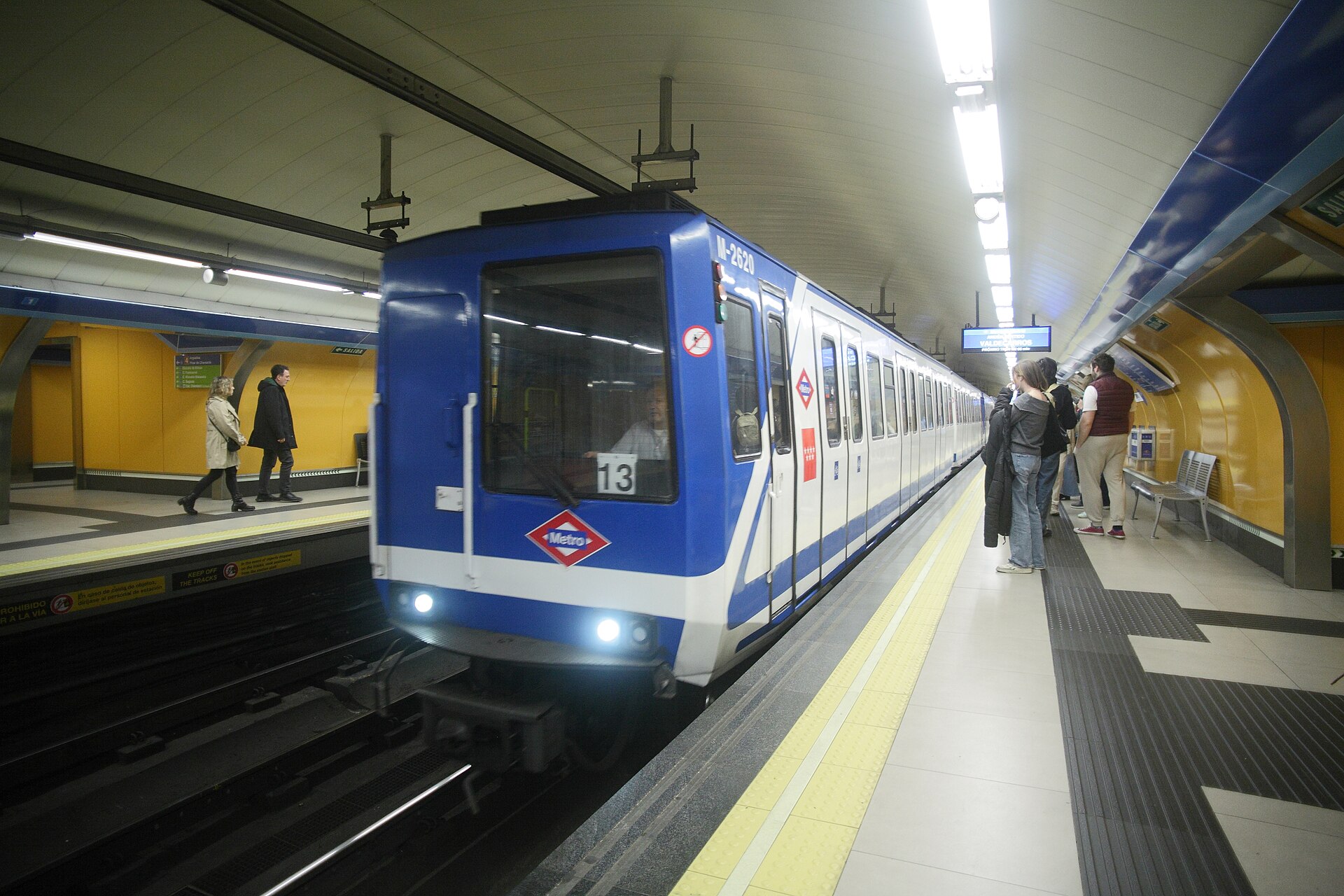
Featured image: Photo by Michiel1972, source, CC BY-SA 3.0
.jpg)