A third day makes room for whatever the first two didn’t have space for: the second major museum, a district you only passed through, or a train out of the city entirely. By day three the essential landmarks are usually done, so the day stops being about coverage and starts being about depth or distance.
What does a typical first two days already cover?
Most short itineraries front-load the same ground: the Prado, the Royal Palace, Puerta del Sol, Plaza Mayor, perhaps the Reina Sofía for Guernica. The site’s own two-day plan around the Golden Triangle of art museums assumes the Prado, Thyssen-Bornemisza and Reina Sofía get split across those two days, with the historic centre absorbing whatever time is left. A third day starts from the position that the headline sights are handled.
Which museum gets the space a third day allows?
It’s usually whichever of the three Golden Triangle museums didn’t fit, or one of the second-tier national collections that rarely survives a one- or two-day plan. The Golden Triangle of art museums page lays out what each of the three actually holds, which matters because they are not interchangeable — the Prado is Spanish and European painting to the 19th century, the Thyssen fills gaps the Prado doesn’t cover, and the Reina Sofía is 20th-century and contemporary. A third day is often the first point at which a visitor has time to see one of these properly rather than in the compressed pass a single museum gets inside a tighter schedule.
It’s also a reasonable day to reach a museum that never makes a top-three list but has a specific, checkable identity: the Museo Sorolla, held in the painter’s former house; the Museo Cerralbo, a 19th-century private collection kept largely as its owner arranged it; or the Museo Arqueológico Nacional, which holds archaeological material spanning prehistory to the modern era. None of these compete with the Prado for scale, but each is a defined, single-subject visit rather than a survey, which suits a day with no other fixed commitment.
Museum closures follow a pattern worth knowing before building a third day around one: most major Madrid museums close on Mondays, a pattern explained on the site’s own page about why Madrid museums close on Mondays. If day three falls on a Monday, the plan needs to shift toward a district or a day trip instead.
Which district rewards the slower pace a third day allows?
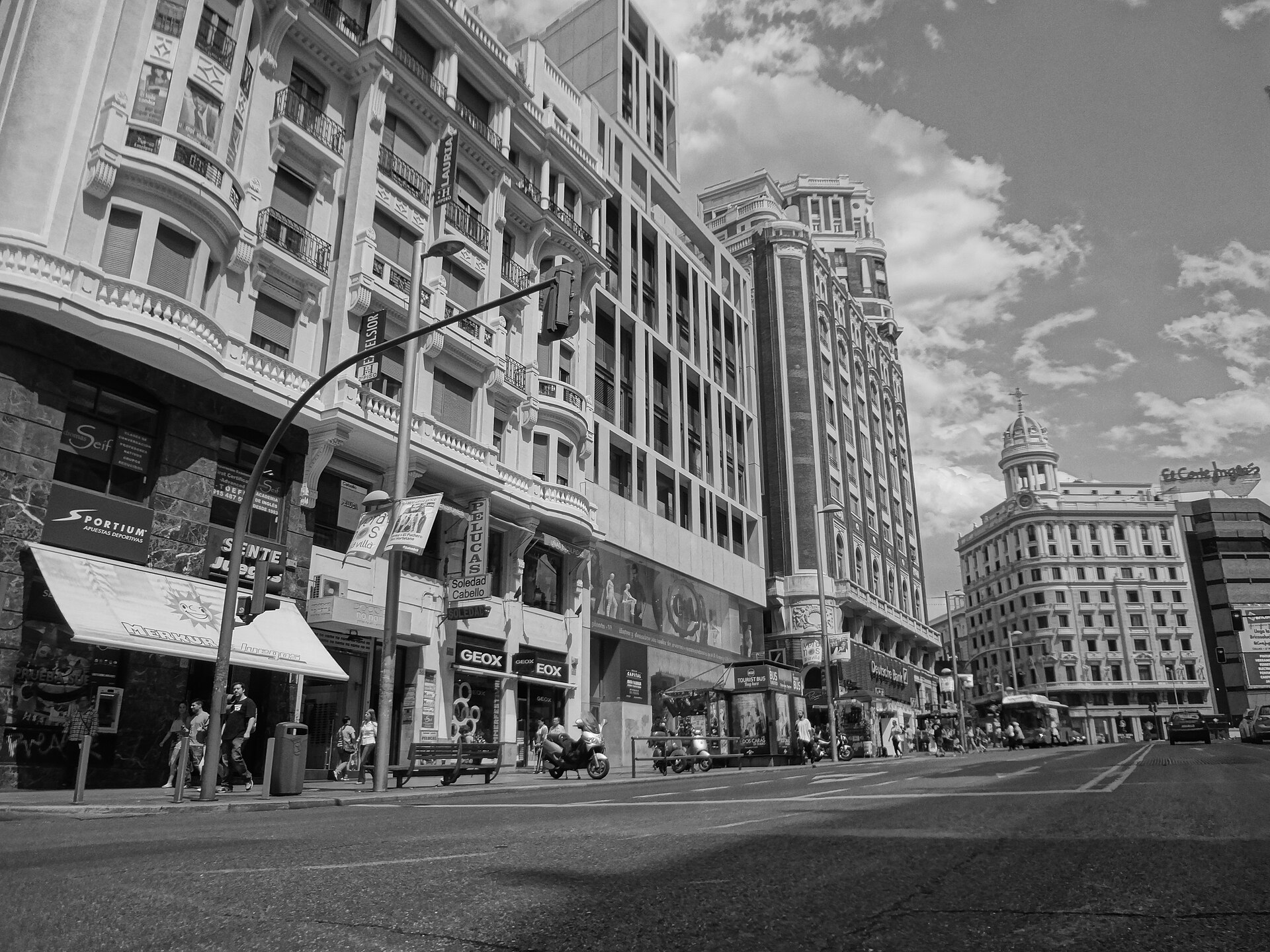
A third day is usually the first with no landmark obligation attached to it, which makes it the natural day to walk a district rather than a checklist. Madrid’s own administrative structure — 21 districts subdivided into barrios, explained on the site’s guide to districts and barrios — means “the centre” is really several distinct areas stitched together, each with its own history and character rather than one continuous old town.
La Latina, one of the oldest parts of the city, is built around narrow medieval-pattern streets and its Sunday market; what La Latina is covers how the district actually formed. Lavapiés, immediately southeast, has a documented history as one of Madrid’s most consistently multicultural working-class districts, laid out on the page about Lavapiés and its history. Malasaña, north of Gran Vía, carries a specific and traceable name origin tied to the 1808 uprising against Napoleonic occupation, detailed on the page explaining where the name Malasaña comes from. None of these need a guided walk to justify a visit — they reward simply being walked without an agenda, which a third day is often the first to allow.

Does a third day change how transport is used?
Yes, in a practical sense. The first two days tend to run on a rechargeable Multi card loaded for single or occasional trips; a third day, especially one heading further out — to a district on the edge of the centre, or to a day trip by rail — is where the distinction between the metro’s zone-based fares and the Cercanías regional rail network starts to matter. The site’s explainer on how the Madrid metro fare system works and the comparison of Cercanías versus the metro both cover this: Cercanías is Renfe’s suburban and regional rail service, useful for reaching towns just outside Madrid proper, while the metro stays within the city’s own zone structure.
A third day is also, for many visitors, the first day it becomes clear how much of the centre is walkable rather than requiring transport at all — a question addressed directly on how walkable central Madrid actually is.
What does a third day do to food and meal times?
By day three, Spanish meal timing has usually stopped being a surprise and started being something a visitor plans around rather than fights. Lunch running from roughly 2pm and dinner rarely starting before 9pm reshapes the shape of a day more than most itineraries admit; the site’s page on how Spanish meal times reshape a day covers the mechanics. A third day is often the first with room to build around a market — a defined public institution rather than a restaurant recommendation — which the Food & Markets archive covers district by district.
Is a day trip a better use of a third day?
For visitors staying four days or more, yes — a third day is frequently the day a trip outside Madrid gets scheduled, precisely because the city’s headline sights are covered and a full day is available without cutting into them. Madrid’s rail connections make several historic towns reachable within a day: the site’s guide to reaching other Spanish cities by train from Madrid and the breakdown of Madrid’s main railway stations and what each serves both cover the practical side of this, including which station a given regional or high-speed line departs from.
This isn’t a claim that a day trip is the correct use of every third day — for someone staying only three days total, leaving the city removes time from Madrid itself, which is a real trade-off rather than an obvious win. It depends on how much of the centre has already been covered by day two.
Does the calendar affect what a third day can be?
It can. If day three lands on a Sunday, several institutions and shops run different hours, and some streets close to traffic for markets — covered on how to plan around a Sunday in Madrid. If it lands on a public holiday, closures follow a different pattern again, laid out on the page about which public holidays close things in Madrid. Neither should derail a third day, but both change what’s actually open, so it’s worth checking against the date before fixing a plan.
So what does a third day actually make room for?
In practice: the second major museum a tight schedule skipped, a district explored without a landmark to reach, or a train out of the city to a place the first two days never touched. What it rarely needs is a repeat of day one at a slower pace — by the third day, the more useful move is usually depth or distance, not another lap of the same ground. The site’s broader guide to Madrid’s museums, landmarks and neighbourhoods and its practical hub on getting around and planning a day both cover the building blocks a third day tends to draw from.
Access Madrid is an independent guide written from published, checkable sources. We have not visited the places described here and we do not publish personal recommendations or invented ‘local favourites’ — where something is singled out as notable, we say who says so. Opening times, fares, closures and prices change at short notice, so treat everything here as a starting point and confirm with the museum, operator or venue directly before building a day around it. We give no advice on visas, insurance, health or safety; use your own government’s official guidance for those.